A nation confronted again by mass bloodshed
South Africa has once more been shaken by a burst of extreme gun violence. At least 27 people were killed and several others left seriously wounded in two separate attacks that unfolded within hours of each other in Johannesburg, the country’s economic heartland, and in the Cape Town region, its most visited tourist destination.
These were not random outbursts of anger. They were calculated strikes, carried out by unidentified gunmen who sprayed bullets indiscriminately into crowds. The speed and coordination of the attacks point to something more organised lying beneath the surface of everyday crime.
How the two attacks unfolded
In Johannesburg, the shooting erupted in a densely populated neighbourhood, where the victims were targeted inside an informal drinking spot. In Cape Town, gunfire broke out in a peri-urban area long defined by gang rivalries and entrenched organised crime.
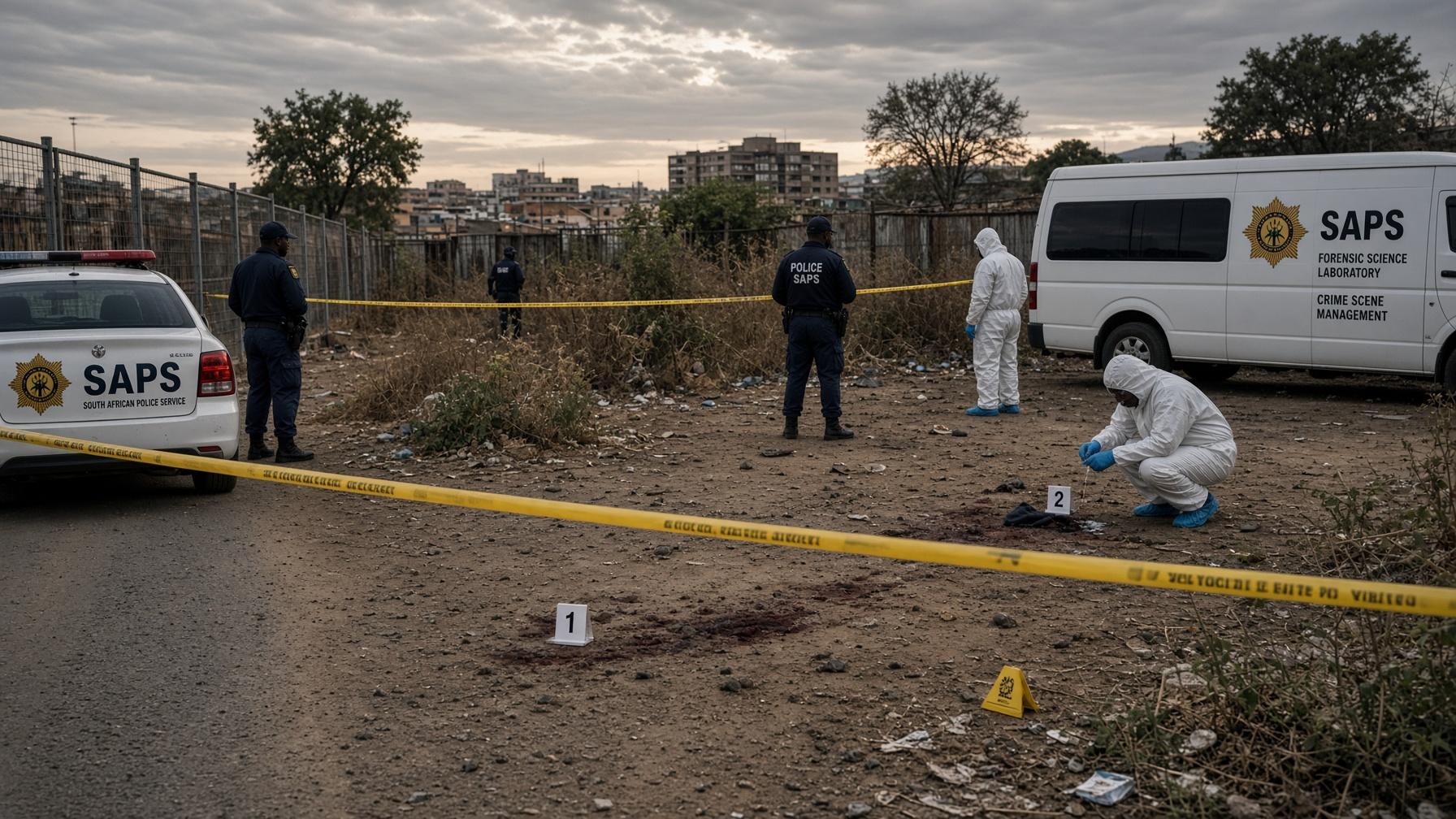
Police reinforcements were rushed to both crime scenes, and manhunts were launched to track down and arrest the attackers, who managed to flee in vehicles before officers arrived.
What the pattern reveals
Investigators have not yet established a link between the two shootings, but the similarities in method are difficult to ignore. In each case, armed men arrived, opened fire on groups of people, and vanished. This is a mode of attack that has become disturbingly familiar in South Africa’s most violent urban pockets.
The forces driving South Africa’s gun violence
This latest tragedy throws a harsh light on the country’s deeply rooted insecurity. South Africa records one of the highest homicide rates in the world, and mass shootings have grown more frequent in recent years.
Behind the bloodshed lies a tangle of interconnected pressures:
- Battles for control of drug trafficking and extortion networks, commonly known as gangsterism, in the townships.
- Deadly feuds between competing minibus taxi associations.
- The unchecked flow of illegal firearms into communities.
Why these shootings keep happening
Analysts point to a combination of weak gun control, entrenched criminal economies, and deep social fractures that have been left unaddressed for decades. Each mass shooting exposes the same unresolved questions about who controls the streets and who is left unprotected.
A population running out of patience
Successive governments have promised to boost police visibility and clamp down on arms trafficking. Yet the killings continue, and public frustration is turning into open anger. For many South Africans, the gap between official assurances and the reality on the ground has never felt wider.
With each new attack, the pressure grows on authorities to deliver not just words, but results — before the next round of funerals begins.