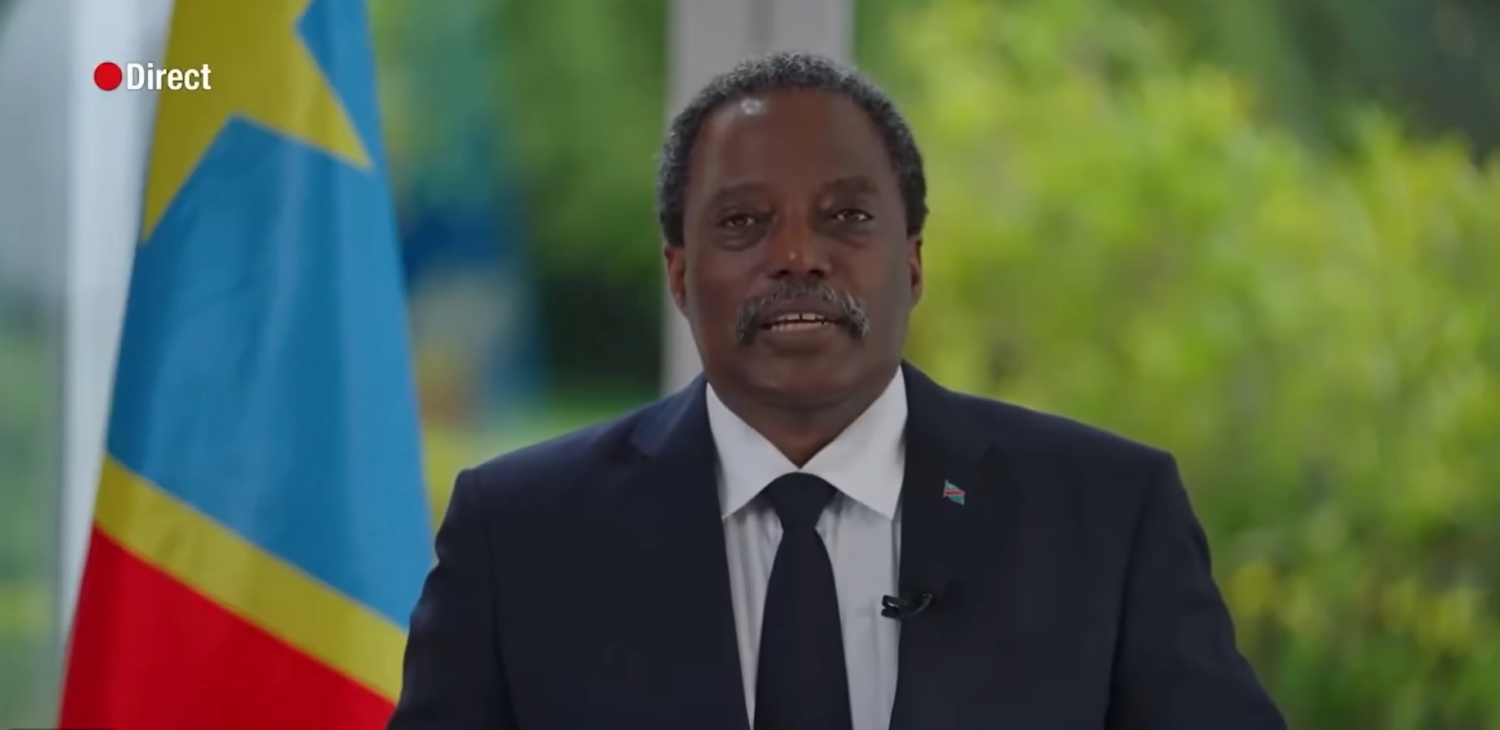
Joseph Kabila, former president of the Democratic Republic of the Congo (2001–2019), has officially taken command of the Front for the Refoundation of the Nation (FRN), a coalition that unites the M23 rebels with the former Alliance of the Congo River. This move, announced on October 12, 2026, marks a dramatic resurgence of military leadership and positions the rebellion as a national political force—one openly backed by neighboring Rwanda. The maneuver circumvents international scrutiny of Rwanda’s proxy armed groups while threatening to ignite a conflict that could engulf the entire DRC.
From rebel roots to state power and back
In 1996, Laurent-Désiré Kabila, Joseph’s father, led the AFDL rebellion—armed and sponsored by Rwanda—to topple Mobutu Sese Seko. After seizing power in Kinshasa, Laurent-Désiré Kabila soon clashed with his former patrons, triggering the Second Congo War and leading to his assassination in 2001. His son, Joseph, inherited the presidency at age 29, navigating two decades of fragile peace amid eastern militias and Rwanda’s regional ambitions.
Now, by openly aligning with Rwandan-backed rebel forces he once opposed, Joseph Kabila is converting a local insurgency into a national liberation movement. His involvement provides the strategic and political backbone that the FRN and M23 have long lacked.
Legitimacy for a rebel group backed by Kigali
The M23 has long been viewed as a Rwandan proxy force defending Congolese Tutsi interests. Prior to Kabila’s leadership, it functioned as a fragmented armed group without a unifying political figure. His entry transforms the rebellion into a cohesive, national-scale opposition force—one positioned to challenge President Félix Tshisekedi and reshape the DRC’s political landscape.
This shift turns a border skirmish into a potential nation-wide conflict. Behind the military facade, geopolitical analysts warn of deeper collusion networks and vested international interests intent on exploiting Congo’s mineral wealth.
DR Congo: vast territory, fragile state
The Democratic Republic of the Congo spans over 2.3 million square kilometers—90 times larger than Rwanda. Yet despite its size, the state remains structurally weak. The eastern provinces of Kivu and Ituri, nearly 2,000 kilometers from Kinshasa, are resource-rich but chronically unstable. Gold, coltan, cobalt, zinc, and manganese—critical to global supply chains—are mined under armed guard by militias serving foreign interests, primarily Rwandan proxies.
This predatory cycle thrives on perpetual insecurity. Analysts point out that while nations condemn the violence, multinational corporations continue to source minerals through intermediaries, perpetuating the conflict economy.
Human cost rises as conflict escalates
With nearly 150 armed groups active in eastern DRC—ranging from local militias to regional jihadists—the humanitarian toll continues to mount. Civilians bear the brunt of violence that has persisted for decades. Reports indicate this region has recorded the highest rates of sexual violence and targeted killings worldwide.
By lending his political weight and military credibility to the FRN, Joseph Kabila assumes responsibility for escalating the conflict. The most vulnerable communities will once again face the full force of war, displacement, and exploitation.