Cameroon’s Anglophone Crisis Reaches Critical Point
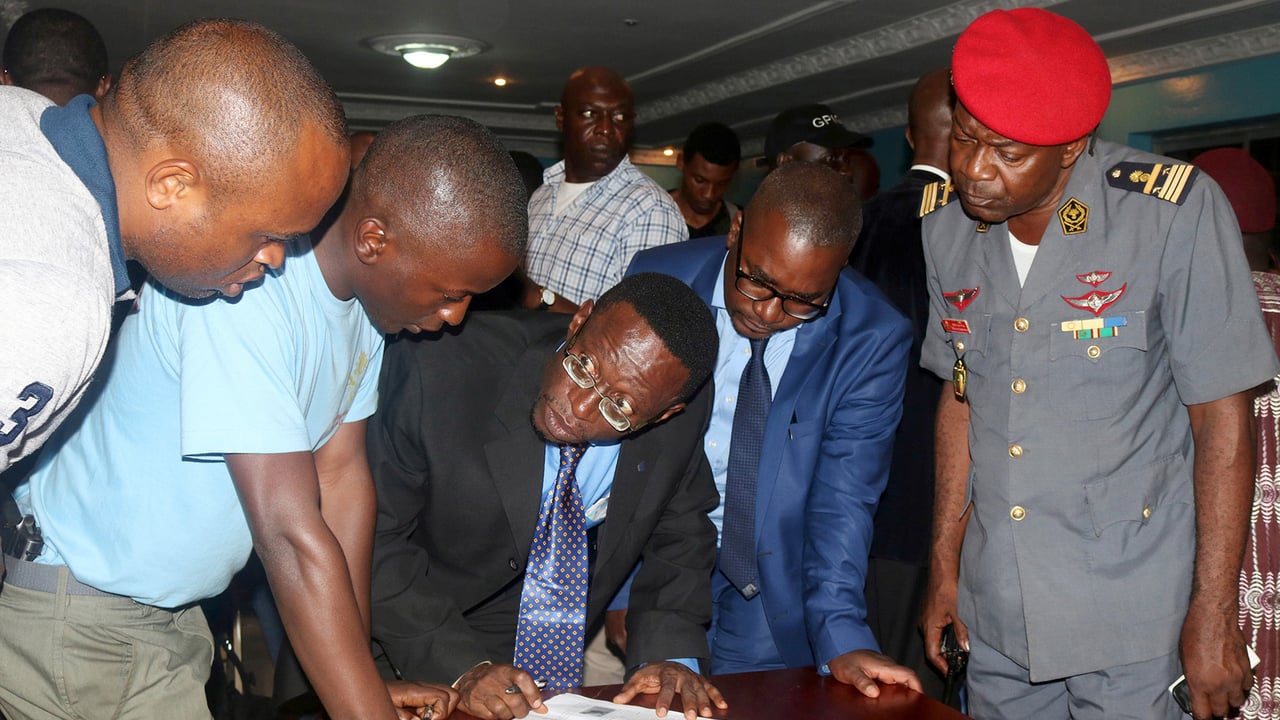
The escalating Cameroon anglophone crisis has reached a tipping point, with human rights lawyer Felix Agbor Balla issuing a blunt warning to the government: refusal to engage in dialogue will lead to irreversible consequences. In a rare public statement, Balla emphasized that meaningful negotiation is not a sign of weakness but a necessity for national survival.
Why Dialogue Is No Longer Optional
The prolonged conflict in Cameroon’s North-West and South-West regions has already left a devastating human and economic toll. Tens of thousands displaced, hundreds killed, and entire communities ravaged by violence. Yet, despite repeated calls from international observers, separatist leaders, and civil society, the government continues to reject direct talks.
According to Balla, this entrenched position is actively fueling the escalation rather than containing it. “Dialogue is not a concession—it is a strategic imperative,” he stated. “Without it, Cameroon risks fragmentation, economic freefall, and permanent instability.”
Economic and Social Fallout Intensifies
The human cost of the crisis is undeniable, but the economic strain is equally alarming. Key sectors such as agriculture and trade—vital to the affected regions—are near collapse. Infrastructure destruction, school closures, and healthcare disruptions have created a humanitarian emergency that shows no signs of abating.
International partners have repeatedly urged the government to soften its stance, warning that continued inaction will deepen the crisis. “The government must recognize that the longer they delay dialogue, the harder it will be to reclaim control,” Balla warned.
What’s Next for Cameroon?
With no clear path forward, the pressure on authorities is mounting. Balla’s latest intervention signals a growing consensus among civil society and legal experts that the government’s refusal to negotiate is unsustainable. “The people of Cameroon deserve better than this deadlock,” he concluded. “The time for dialogue is now—not after more lives are lost.”
Key Takeaways
- Critical impasse: The government’s refusal to negotiate is accelerating the crisis.
- Economic collapse: Key industries in the anglophone regions are collapsing under the strain.
- Humanitarian emergency: Displacement, violence, and poor access to services are reaching catastrophic levels.
- Urgency of action: Legal and civil society leaders warn that further delays will only worsen the situation.