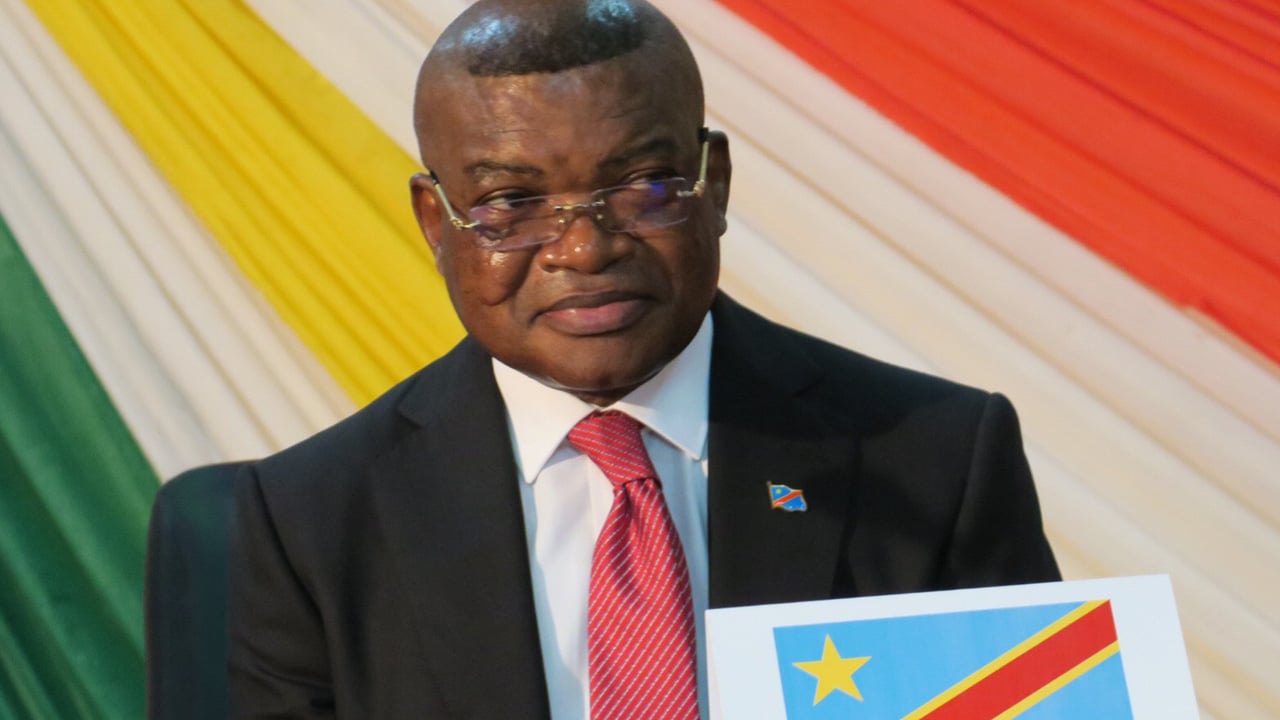
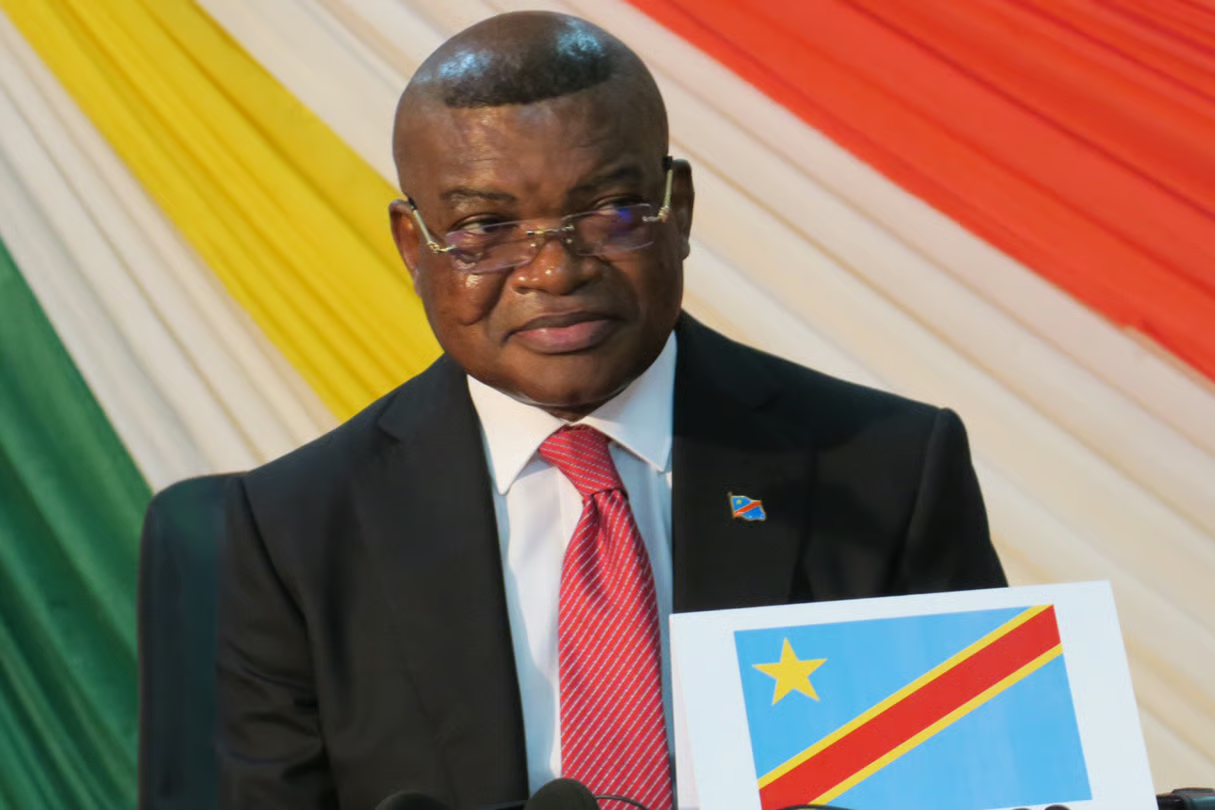
When the man who once held the Democratic Republic of Congo’s most sensitive secrets dies, the natural question is: what does his passing tell us about the institution he led and the powerful figures he served? Kalev Mutond, former head of the Agence nationale de renseignements (ANR), has died, leaving behind a controversial legacy that forces us to confront uncomfortable truths about the country’s intelligence apparatus and its entanglement with political power.
Mutond’s tenure as the top spy chief during Joseph Kabila’s presidency was marked by deep controversy. His name became synonymous with the repression of dissent, the surveillance of political opponents, and the murky intersection of state security and personal loyalty. The news of his death raises a crucial dilemma that Congo watchers cannot ignore: can a nation truly reform its intelligence services without first acknowledging the dark chapters written by those who once ran them?
From trusted enforcer to symbol of a troubled era
Kalev Mutond did not merely serve as a functionary. He embodied an entire system of governance where intelligence gathering was often weaponised against political rivals rather than deployed to protect citizens. Under his watch, the ANR became an instrument that many Congolese associated with fear rather than safety.
His closeness to Kabila made him one of the most feared men in the country. Yet his death now invites a broader reflection: what happens when the individuals who shaped such institutions leave the scene? Do their departures open the door to genuine reform, or do they simply allow the same structures to persist under new management?
What the silence around his passing says about accountability
In many societies, the death of a controversial intelligence chief would trigger a public reckoning. Victims’ groups might demand answers. Journalists might revisit old files. Lawmakers might call for audits of past operations. In Congo, however, such reckonings are rare.
The muted reaction to Mutond’s death speaks volumes. It suggests that the country’s security apparatus remains shrouded in opacity, resistant to the transparency that democratic accountability requires. This is not just a historical problem. It is a present-day challenge that affects how citizens trust their institutions and how the international community assesses Congo’s commitment to reform.
Three critical questions that outlive the man
The passing of a figure like Kalev Mutond should compel Congolese society to grapple with difficult questions:
- Who guards the guardians? Intelligence services are essential for national security, but who ensures they operate within legal and ethical boundaries? Without robust oversight, the risk of abuse remains high.
- Can victims find justice? Many who suffered under Mutond’s tenure still await acknowledgment and redress. Does his death close the door on accountability, or can it open a new chapter?
- What kind of intelligence service does DR Congo need? A modern, professional agency focused on protecting citizens rather than policing politics would require fundamental changes in training, leadership, and culture.
These are not merely retrospective concerns. They are forward-looking imperatives that will shape Congo’s stability and governance for years to come.
The stakes for ordinary Congolese and the country’s future
For everyday citizens, the debates around intelligence services can feel remote. Yet the reality is deeply personal. When security forces operate without accountability, ordinary people bear the brunt. Arbitrary arrests, surveillance of activists, and the suppression of free speech are not abstract concepts; they are lived experiences.
Moreover, a security apparatus that prioritises regime protection over public safety undermines economic development and foreign investment. Businesses hesitate to operate in environments where the rule of law is uncertain. Citizens hesitate to speak out when they fear reprisals. The consequences ripple through every aspect of national life.
Kalev Mutond’s death is thus more than a news event. It is a reminder that the choices made about intelligence governance today will determine whether DR Congo moves toward a future where security serves the people, or remains trapped in a cycle where the people serve the security of the powerful.