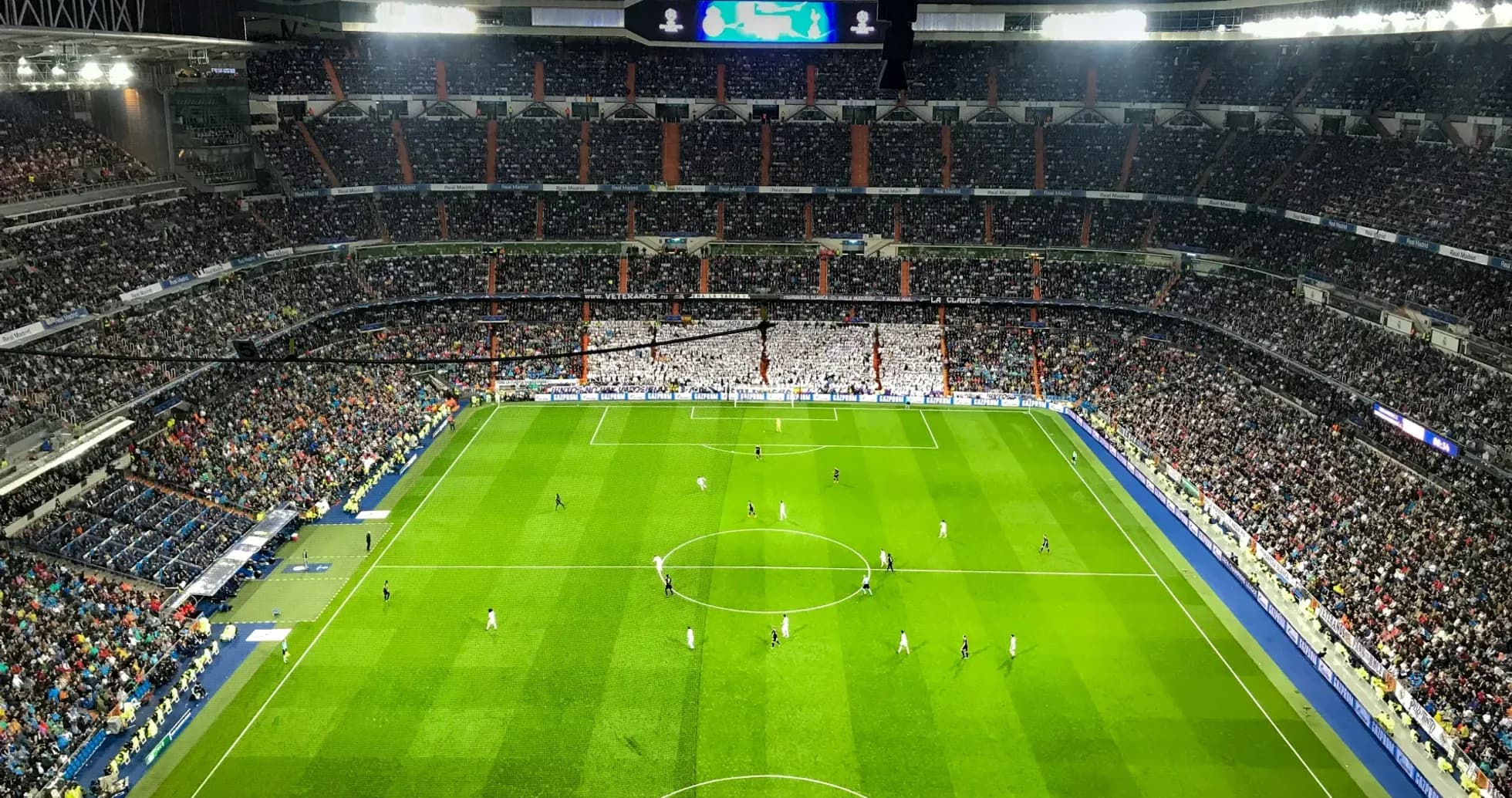
The UEFA Champions League third qualifying round returns to Kaunas as Kauno Žalgiris prepares to host Dinamo Zagreb in a high-stakes rematch. Following the Croatians’ emphatic 5-0 victory in the first leg, the Lithuanian side faces a daunting task: not just to overturn the deficit, but to salvage its European campaign’s reputation while Dinamo eyes a seamless progression to the next stage.
🔥🏆 Exclusive reader bonus: Put your football expertise to the test! Use the promo code PINBET2026 when placing a bet with Pin-Up. Simple terms: place 1 bet and receive 1 Free Bet (up to $10). Don’t miss your chance to boost your betting balance ahead of the next big match! 🎁 👉 Claim Your Free Bet Now ➔
Head-to-head tactical breakdown
The only prior meeting between these sides took place on August 4, 2026, at Stadion Maksimir in Zagreb. Dinamo Zagreb dominated from the outset, leading 2-0 at halftime before finishing 5-0. The Croatians controlled proceedings with ease, showcasing their superior technical and tactical quality, while Kauno Žalgiris struggled defensively and failed to create meaningful chances.
Season performance overview
- Qualifying phase form: Kauno Žalgiris has played five matches in the 2026 UEFA Champions League qualifiers, scoring five goals and conceding eight, with two wins, two draws, and one defeat. Dinamo Zagreb, in contrast, has played three matches, netting nine goals and conceding three, boasting two wins and one draw without a single loss.
- Key metrics: Kauno Žalgiris averages 1.0 goal scored and 1.6 conceded per game, with two clean sheets but also two scoreless matches. Dinamo Zagreb averages 3.0 goals scored and 1.0 conceded, delivering high-scoring victories such as the 5-0 win at home. The Croatian side has experimented with three formations—4-2-3-1, 4-1-4-1, and 4-3-3—highlighting tactical flexibility.
- Recent form trends: Kauno Žalgiris shows inconsistency with a DWDWL sequence—capable of picking up points but reeling from heavy defeats. Dinamo Zagreb remains unbeaten with a DWW streak, reflecting steady improvement and growing confidence ahead of the return leg in Lithuania.
Tactical efficiency: where the gap lies
The numbers reveal a structural imbalance. Kauno Žalgiris concedes more goals (1.6 per match) than it scores (1.0), particularly vulnerable on the road (seven goals conceded in three away games) and twice failing to find the net. Its preferred 4-1-4-1 system aims to strengthen midfield control, but the 5-0 loss in Zagreb exposed defensive frailties against a top-tier attack.
Dinamo Zagreb, meanwhile, excels in attack—nine goals in three games, including eight at home, with no scoreless outings. While defensive stats (one goal conceded per match) aren’t flawless, they remain solid relative to their offensive output. The team’s ability to switch between formations allows them to balance control and transition play, ensuring they remain a constant threat even on the road. In this context, Dinamo’s attacking firepower and Kauno’s defensive fragility clearly favor the visitors.
A defining moment for both clubs
For Kauno Žalgiris, this match is more about preserving dignity and momentum. A realistic target is to limit damage, restore defensive solidity at home, and secure a positive result to rebuild confidence for future European and domestic campaigns. A heavy defeat would damage the club’s credibility and complicate its ambitions in attracting talent and investment.
For Dinamo Zagreb, qualification is nearly secured after the first leg. A disciplined performance in Kaunas would validate their progression, reinforce their reputation as a consistent UEFA Champions League qualifier, and allow them to rotate the squad ahead of tougher fixtures. The result will test Dinamo’s ability to uphold their favorite status throughout the 2026 European campaign.