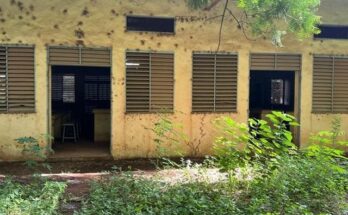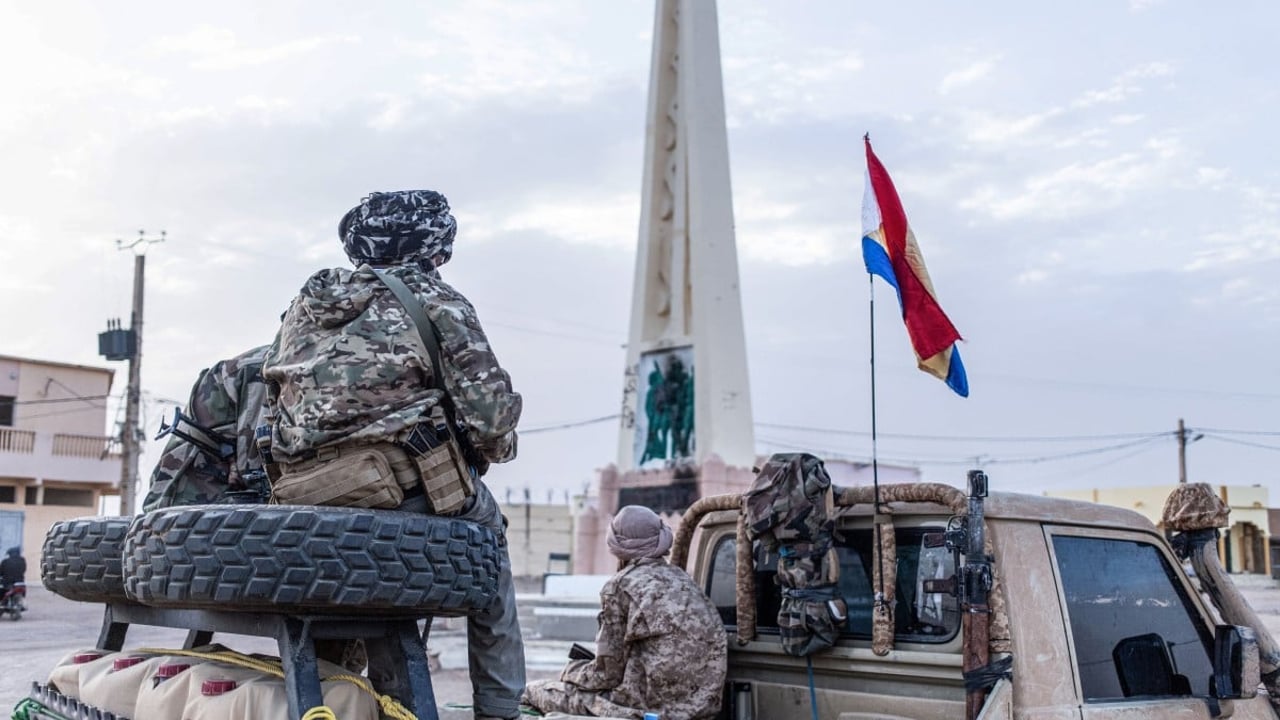
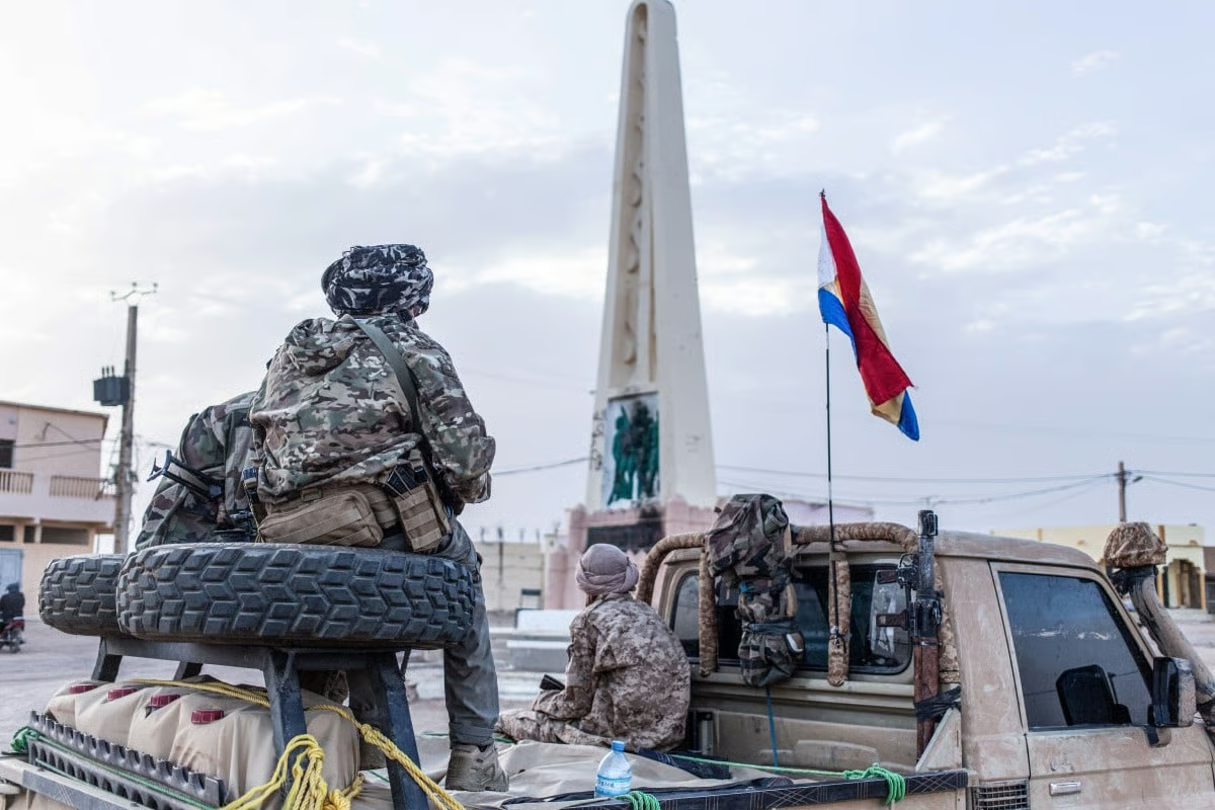
At least four airstrikes targeted Kidal overnight, leaving significant material damage in their wake, according to a local resident who spoke on condition of anonymity. One strike demolished a residential building near what used to be the city’s main marketplace, while another blast gouged a massive crater in the courtyard of the regional governor’s office—a facility seized by the Front de Libération de l’Azawad (FLA) in late April.
«We’re focusing on high-value targets with a clear strategy,» explained a Malian army officer stationed at the command center in Mopti. «Expect intensified operations in the coming days.»
Eerie calm descends on Kidal
Kidal, the strategic northern city now under rebel control, remained eerily still Thursday morning. Traffic in the area ground to a near halt as residents reported hearing convoys of vehicles fleeing the city throughout the night.
The country’s security situation has deteriorated sharply following unprecedented coordinated attacks by Jama’at Nusrat al-Islam wal Muslimin (JNIM) jihadists and the FLA rebel alliance against key positions held by the military junta in Bamako. The assaults marked a dramatic escalation in the conflict gripping the region.
Rebel ambitions stretch across northern Mali
During their recent offensive, the FLA and JNIM coalition captured Kidal—the largest city in northern Mali—after intense fighting. The FLA, a predominantly Tuareg separatist movement that also includes Arab communities, claims sovereignty over the Azawad region, which encompasses the administrative areas of Kidal, Gao, Ménaka, and Tombouctou.
The rebel group has vowed to extend its control over additional major northern cities. The Azawad territory, as defined by the FLA, has been the epicenter of Tuareg armed struggles for decades, driven largely by grievances over political and economic marginalization. Kidal remains the focal point of these long-standing tensions.