In the Democratic Republic of Congo, the political opposition recently orchestrated a significant ‘dead city’ operation in Kinshasa. The primary objective of this nationwide shutdown was to voice strong disapproval against any potential amendments to the nation’s Constitution. This strategic move aimed to mobilize citizens in the capital to demonstrate their collective resistance to proposed changes that could impact the country’s governance.
The success of this ‘journée ville morte’ initiative has become a central point of discussion. Observers are evaluating whether the opposition effectively achieved its goal of paralyzing the city and sending a clear message to the ruling power. The level of public participation and the disruption caused by the protest are key indicators in assessing its overall impact.
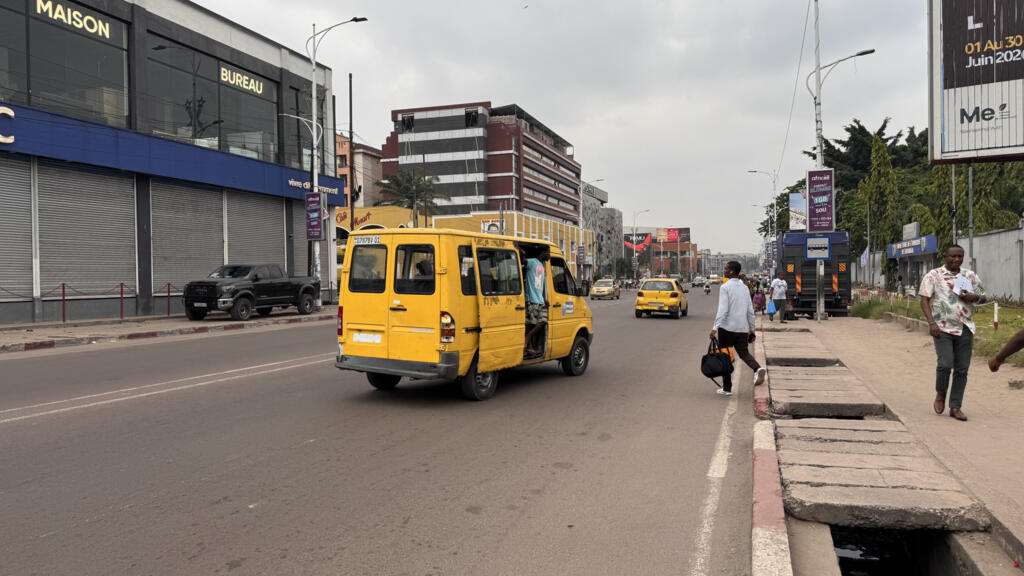
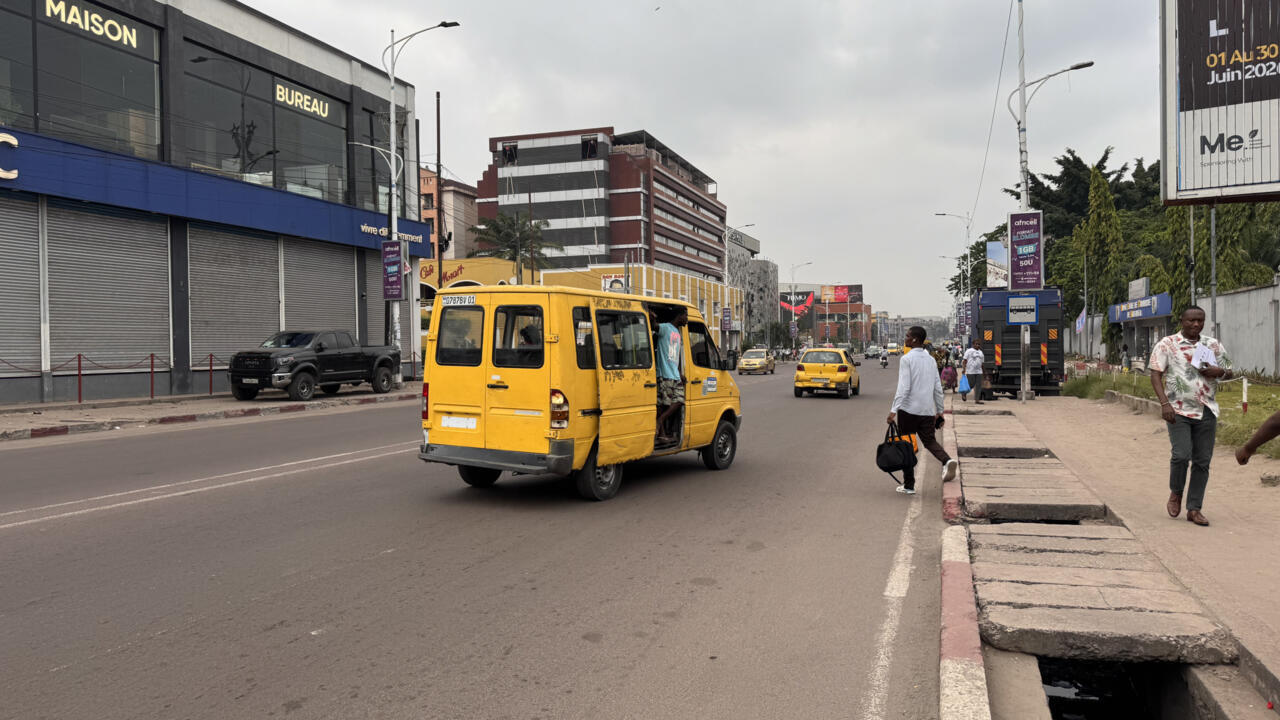
During the designated ‘dead city’ day on June 3, 2026, traffic in downtown Kinshasa was noticeably sparse, indicating a degree of compliance with the opposition’s call. This subdued activity in the city center suggests that a portion of the population heeded the protest, contributing to a slowed pace of economic and social life. The effectiveness of this particular tactic, and how the political standoff between the opposition and the government will evolve, remains a crucial question for the Democratic Republic of Congo’s future.