Lansana Gagny Sakho accuses Ousmane Sonko of rejecting state institutions
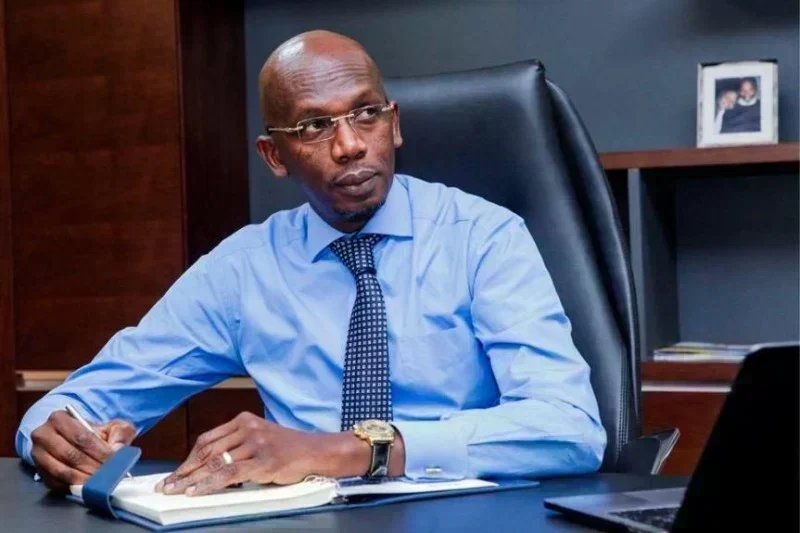
Following the political transition, he revealed turning down a high-ranking appointment to prioritize his unwavering commitment to democratic values.
Once a close ally of Ousmane Sonko and now a key figure in the Kiiraay party supporting President Bassirou Diomaye Faye, Lansana Gagny Sakho has leveled sharp criticism at his former mentor. In a television interview, the Chair of the APIX board outlined his reasons for distancing himself from Sonko while defending his decision to uphold the country’s republican institutions.
He explained that his initial political alignment with Sonko stemmed from admiration for the individuals leading the movement. However, after the transition, he declined an offer to head the water and sanitation sector to maintain his principles. “I refused to trade my convictions for a position. That decision allowed me to step away without hesitation. From the start, I made my choice for the Republic,” he stated.
Sakho went further, asserting that Ousmane Sonko “has never embraced the Republic.” He accused Sonko of exacerbating divisions at the highest levels of government through public statements, notably criticizing the lack of authority during the President’s official visits to the United States and China—remarks that allegedly embarrassed the Head of State.
For the former associate of the Pastef leader, true political commitment means safeguarding institutions and enhancing state efficiency. While acknowledging shared challenges, he highlighted significant progress, particularly in the justice sector.
Sakho also addressed recent changes at the Ministry of Justice, noting that the former Minister, Ousmane Diagne, had declared before Parliament that no one could manipulate him. In his view, the reshuffle aimed to install a more compliant figure to influence magistrates. “But they failed to grasp that judges are anything but puppets,” he remarked, emphasizing the gap between opposition perceptions and the realities of governance.