Lansana Gagny Sakho accuses Ousmane Sonko of rejecting Senegal’s institutions
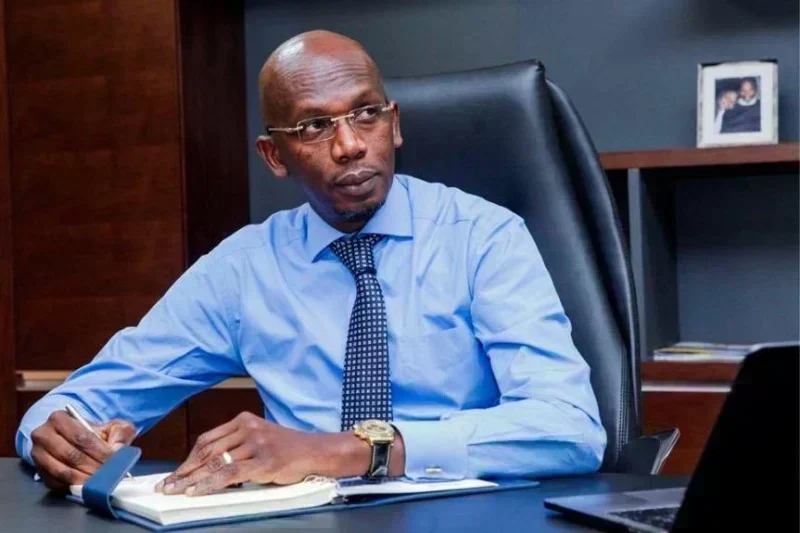
Following Senegal’s political transition, he revealed turning down a high-profile appointment to uphold his core beliefs.
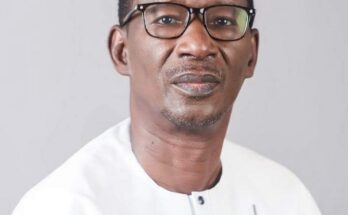
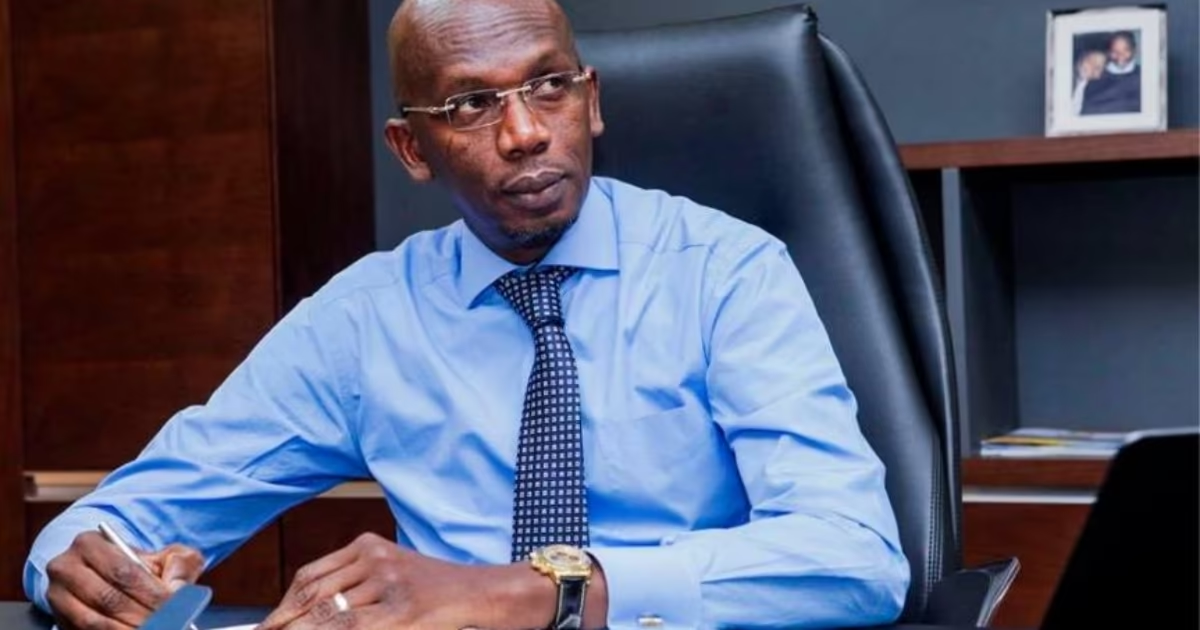
Once a close ally of Ousmane Sonko and now a prominent member of Kiiraay—the party backing President Bassirou Diomaye Faye—Lansana Gagny Sakho has delivered a scathing critique of his former mentor. Speaking on national radio, the APIX board chairman outlined the reasons behind his break from Sonko while defending his unwavering commitment to Senegal’s democratic institutions.
Reflecting on his political journey, Sakho admitted he initially joined Sonko’s movement because of the individuals driving it. However, after the change in government, he declined a key ministerial role in water and sanitation to remain true to his principles. “I refused to prioritize positions over my beliefs. That decision made my exit seamless. From the start, I placed the Republic above all,” he asserted.
In stark contrast, Sakho accused Sonko of never truly embracing Senegal’s republican values. He pointed to public statements made during President Faye’s official visits to the United States and China, where Sonko criticized the government’s leadership—remarks Sakho claimed embarrassed the Head of State.
For Sakho, genuine political leadership means safeguarding institutions and strengthening state operations. While acknowledging challenges on both sides, he highlighted significant progress, particularly in the justice sector. “Progress has been made,” he noted, “despite obstacles that have tested our resolve.”
The former Sonko ally also addressed recent changes at the Justice Ministry, recalling former minister Ousmane Diagne’s claim that no one could manipulate him. Sakho alleged the reshuffle aimed to install a more compliant leader to influence magistrates. “But they underestimated the judiciary—magistrates are not puppets,” he declared, emphasizing the disconnect between opposition perceptions and political realities.