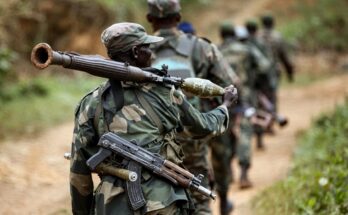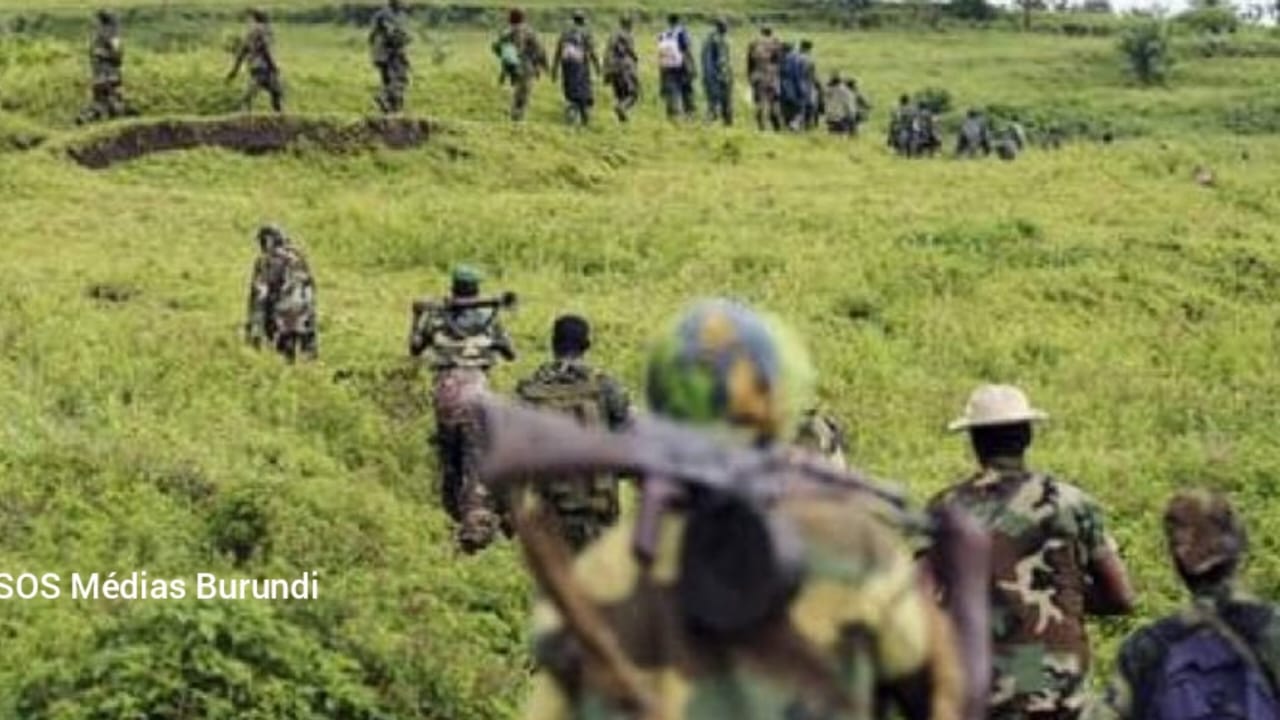
A week of relentless warfare has gripped the high plateaus of Fizi and Mwenga in Sud-Kivu. The Twirwaneho fighters, aligned with the AFC-M23 politico-military coalition, have been locked in combat with the Forces armées de la République démocratique du Congo (FARDC), supported by the Force de défense nationale du Burundi (FDNB) and the Wazalendo militias.
Following these engagements, the Twirwaneho/M23 alliance has declared a significant advance, asserting they have forced the government-led coalition to abandon several key positions surrounding Minembwe. On the ground, observations indicate a withdrawal of the opposing forces toward new lines.
Local reports suggest the fighting reached a fever pitch, characterized by the deployment of heavy weaponry, drones, and aerial bombardments. The FARDC, FDNB, and their allies reportedly moved back toward the sectors of Lwiko, Mutunda, and Miko, effectively leaving the outskirts of Minembwe under rebel influence.
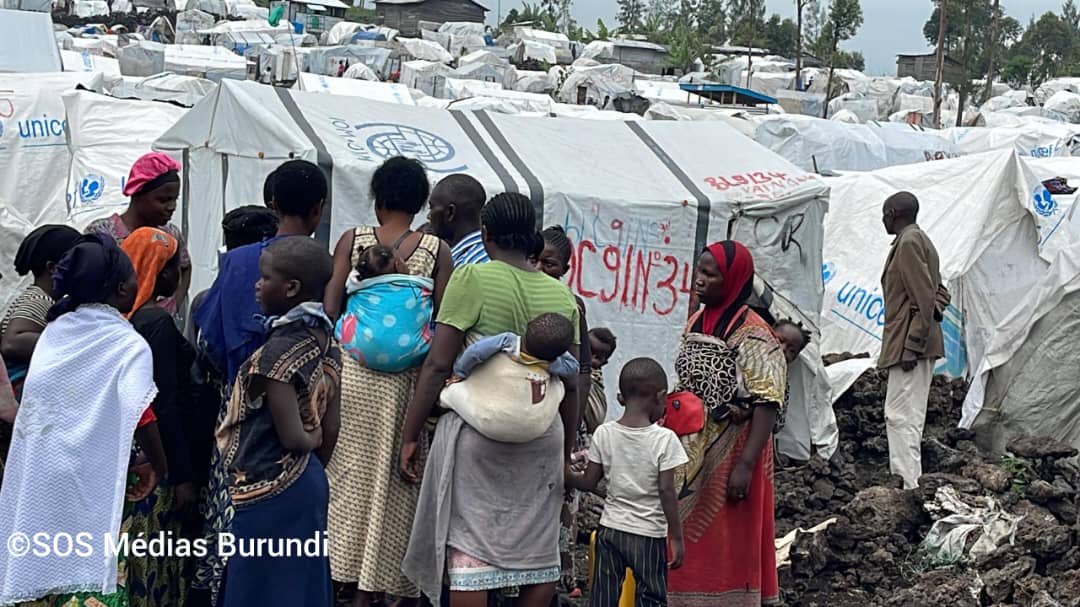
The humanitarian impact is severe. Civilians fleeing toward Kiziba describe a climate of terror and massive displacement. Witnesses have reported shells hitting residential areas, though a precise casualty count remains difficult to establish in the chaos.
While the FARDC has not issued an official statement on the current status of the front, local military sources acknowledge a strategic repositioning following the brutal encounters in Ilundu and Bidegu.
Unconfirmed reports from the frontlines suggest that Burundian FDNB units may have left behind equipment during their retreat toward Kakenge. Significant losses are rumored within the ranks of the FARDC, FDNB, and Wazalendo, though official figures have yet to be released.
Victory claims and the pushback of government forces
The mood within the Twirwaneho/M23 camp is triumphant. They maintain that the government coalition has been pushed back across multiple fronts, allowing them to solidify their hold on the heights of Minembwe.
Former national deputy Moïse Nyarugabo commented on the situation, describing the events as a successful defense against the forces targeting Minembwe.
He stated that the immediate threat to the area has been neutralized, claiming that despite the use of Soukhoï jets, drones, and heavy artillery, the attacking forces were forced to retreat beyond the Lwiko river.
Nyarugabo argued that months of military operations have failed to bring lasting security to the volatile high plateaus. He further accused the coalition of causing civilian suffering and mass displacement through their bombardment campaigns.
The controversial role of Burundian forces
The involvement of the Force de défense nationale du Burundi (FDNB) alongside the Congolese army continues to spark intense debate.
Security insights suggest a potential deal between Kinshasa and Gitega, where military support would be exchanged for mining concessions in the Minembwe and Fizi regions. These claims remain unconfirmed by both governments.
Nevertheless, Presidents Évariste Ndayishimiye and Félix Tshisekedi have previously acknowledged a bilateral security pact. Data indicates that over 29,000 Burundian soldiers were deployed to eastern DRC between August 2022 and late 2025.
Recently, the Burundian military has carried out new deployments amid rising tensions, particularly following the shifting control of Uvira—a strategic city near Goma and the Burundian border—which had been briefly occupied by rebels earlier in the year.
In the Rusizi plain, some AFC-M23 elements have reportedly pulled back from certain positions, a move linked to international diplomatic pressure aimed at de-escalating the regional crisis.
AFC-M23 and Twirwaneho at the heart of the conflict
The M23 is a central pillar of the Alliance Fleuve Congo–M23 (AFC-M23), led by Corneille Nangaa, the former head of the DRC’s electoral commission. In Sud-Kivu, this coalition works closely with Twirwaneho, a group primarily composed of youth from the Banyamulenge community.
Kinshasa frequently accuses Rwanda of backing the AFC-M23, a charge Kigali denies. Conversely, Rwanda accuses the DRC of collaborating with the FDLR, a group linked to the 1994 genocide.
Burundi has also entered the fray, accusing Rwanda of supporting groups hostile to Gitega, while Kigali counters by alleging Burundian cooperation with the FDLR and other regional militants.
The M23, which resumed its insurgency in late 2021 citing the failure of previous peace agreements, currently exerts significant influence over vital economic corridors and strategic towns in both Nord and Sud-Kivu.
A persistent state of instability
Despite numerous diplomatic efforts and regional peace initiatives, the conflict shows no signs of a permanent resolution. The high plateaus of Fizi remain a flashpoint in the Great Lakes region, where local grievances are amplified by the broader geopolitical rivalries between Kigali, Kinshasa, and Gitega.