Civilian deaths in Mali have surged after recent drone strikes and armed group offensives, according to a new investigation. The findings highlight a dangerous escalation in violations of international humanitarian law, with all warring factions facing accusations of targeting non-combatants.
Drone strikes claim innocent lives in central Mali
The most alarming incident occurred on August 19 in Tombonkore, Bandiagara region, where a drone strike on a livestock market killed six civilians and injured at least 20 others. Survivors reported no armed individuals from the Group for the Support of Islam and Muslims (GSIM) were present at the time.
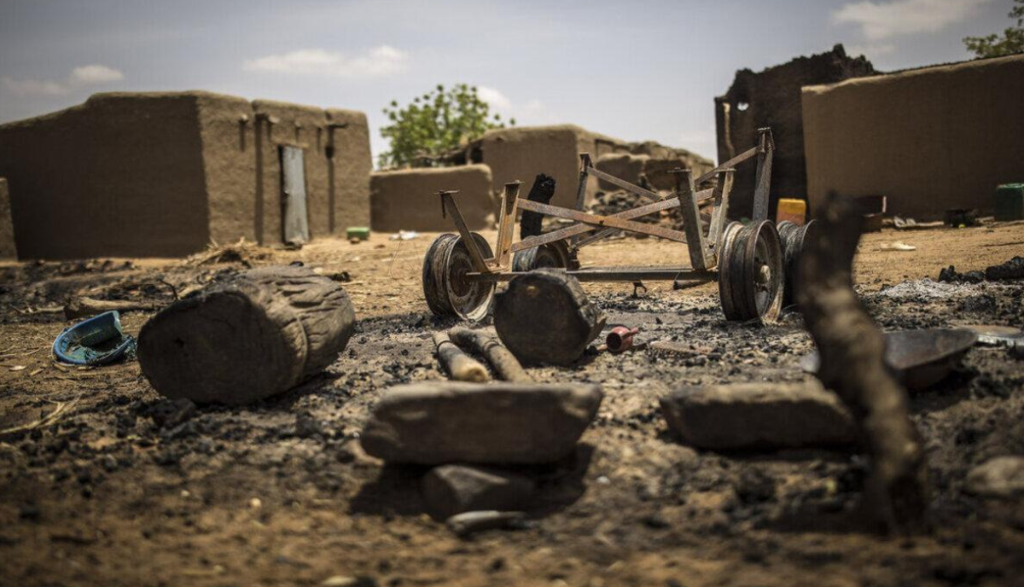
Witnesses described the scene as chaotic, with destroyed stalls, motorcycles, and livestock scattered across the market. Human rights investigators confirmed the absence of military targets, raising serious concerns about the legitimacy of the attack under international conflict laws.
Another drone strike on July 29 in Talahandak, Kidal region, damaged a health center housing civilians. The facility contained medical supplies and equipment, leaving local communities without critical healthcare access in an already fragile security environment.
Healthcare facilities must remain protected under war rules
International humanitarian law mandates special protection for medical infrastructure, except in narrowly defined circumstances. The destruction of this center violates these protections, according to legal experts reviewing the evidence.
Government forces implicated in civilian deaths
On July 12 near Niono, in the Ségou region, Malian soldiers fatally shot five girls aged 10 to 13 while they worked in a rice field. Military officials later claimed the soldiers mistook the children for attackers during a prior ambush. While the army issued apologies to the families, the incident raises questions about battlefield precautions.
Additionally, Dozo militias, allied with government forces, were linked to the deaths of three civilians in Mopti on July 27 and 28. Investigators noted the case requires independent scrutiny to determine accountability.
Insurgent groups facing war crime allegations
The investigation also documented abuses by armed groups. On July 18 near Tabrichat, Gao region, fighters from the Group for the Support of Islam and Muslims (GSIM) and the Azavad Liberation Front (FLA) attacked a military convoy. At least 19 captured soldiers were tortured and executed, according to multiple sources.
Such acts violate core principles of international humanitarian law, which prohibit torture, summary executions, and cruel treatment of prisoners, regardless of military or political objectives.
African Union urged to take decisive action
Human rights groups are calling on the African Union’s Peace and Security Council to hold an emergency session on civilian protection in Mali. Recommendations include mandatory reporting on measures taken and independent investigations into abuses by all parties.
On August 5, a formal letter outlining findings and questions was sent to Mali’s Defense Minister. As of the report’s release, no response had been received.
The crisis underscores a broader challenge: ensuring authorities and regional bodies establish facts, hold perpetrators accountable, and deliver justice for victims and their families. With civilians caught between military operations, insurgent attacks, and retaliations, ending impunity remains critical to safeguarding lives.