The fragile peace between Sudan and South Sudan has been shattered once again after a suspected drone strike on Amiet market in the contested Abyei region left at least 73 civilians dead and 19 injured. The attack, which struck during peak trading hours, has drawn immediate condemnation from Juba and raised urgent questions about civilian safety in war-torn border zones.
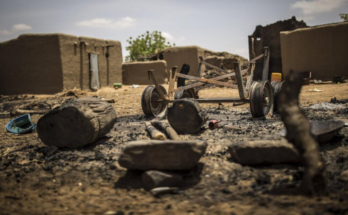
The assault, reported by local authorities in Abyei, targeted multiple zones of the bustling market, including fuel depots and food stalls. Witnesses described explosions and fires raging through the commercial hub, with thick smoke hampering rescue efforts. Local officials quickly attributed the strike to Sudanese Armed Forces, though Khartoum has not yet responded to the allegations.
Market in ruins as death toll rises
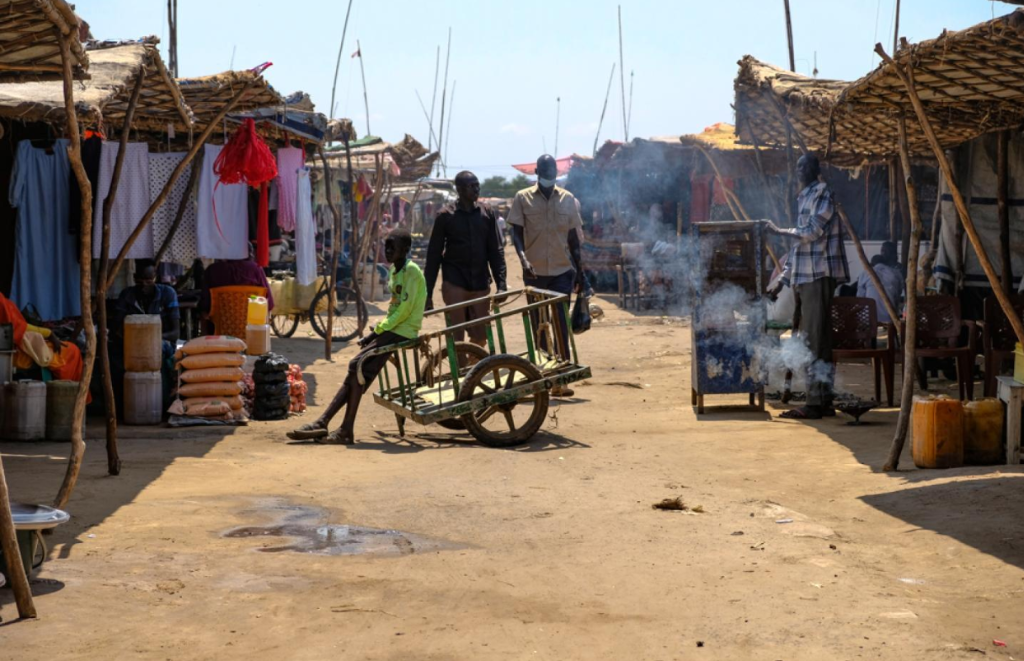
The Amiet market serves as a lifeline for communities across Abyei, facilitating trade in fuel, food, construction materials, and medicine. Traders and customers from both Sudan and South Sudan rely on its services, making the attack particularly devastating for regional stability. Rescue teams continue to comb through the wreckage, with the death toll expected to climb as more victims are recovered.
The presence of fuel storage tanks intensified the blaze, creating an inferno that delayed recovery operations. Survivors recounted scenes of chaos as shoppers fled the market amid deafening explosions. “We heard a loud buzzing sound before the first explosion hit,” said a local merchant. “People were running everywhere, but there was nowhere to hide.”
South Sudan delivers diplomatic protest to Sudan
In a swift response, South Sudan summoned Sudan’s ambassador to Juba to protest the attack and demand an explanation. The Ministry of Foreign Affairs condemned the strike in the strongest terms, calling it a blatant violation of international humanitarian law and a threat to regional peace. Officials emphasized the need for both nations to resolve disputes through dialogue rather than military action.
The government also urged Khartoum to refrain from further operations that endanger civilian lives in Abyei, a region already marred by territorial disputes and the spillover effects of Sudan’s civil war. Since April 2023, the conflict between Sudan’s army and the Rapid Support Forces has destabilized border areas, disrupting trade and displacing thousands.
Abyei: A powder keg of unresolved tensions
Abyei remains one of the most volatile flashpoints between Sudan and South Sudan. Rich in oil reserves and strategically located near their shared border, the region has been a bargaining chip in negotiations since South Sudan’s independence in 2011. Despite provisional agreements, no lasting solution has been reached, leaving communities caught in the crossfire.
The recent strike adds a dangerous new dimension to the conflict. Local reports suggest the market’s role in fuel distribution may have made it a target, but the exact objectives of the attack remain unclear. International humanitarian law requires parties to distinguish between civilians and military targets, a standard that has been repeatedly questioned in the region’s escalating violence.
Civilians bear the brunt as diplomacy struggles
With families searching for missing loved ones and aid workers struggling to reach survivors, the humanitarian toll of the strike is mounting. Medical facilities in Abyei are overwhelmed, and supplies are running dangerously low. The attack has also reignited fears of a broader regional crisis, with both governments under pressure to de-escalate or risk further bloodshed.
South Sudan has stopped short of announcing retaliatory measures, instead calling for an independent investigation into the strike. The move reflects a fragile balancing act: condemning the violence while avoiding actions that could spiral into full-blown conflict. The outcome of the diplomatic exchange remains uncertain, but the human cost is already catastrophic.
As the smoke clears over Amiet market, the question lingers: will this tragedy prompt urgent action to protect civilians, or will it become another chapter in a cycle of violence that has already claimed too many lives?