In Mali, the recent move by the Minister of Territorial Administration to disband a student union is the latest in a series of government measures aimed at stifling the freedom of association.
The authorities justified the dissolution of the Association of Pupils and Students of Mali (AEEM) by accusing the group of fostering “clashes and violence” within schools and universities. Government officials further claimed that in 2017 and 2018, law enforcement had detained members found with narcotics, weapons, and significant amounts of unexplained cash.
The AEEM is the fourth organization to be shut down in less than four months. On March 6, the transitional government dissolved the Coordination of Movements, Associations and Sympathizers of Imam Mahmoud Dicko (CMAS). This group, which had been pushing for presidential elections to restore civilian democratic rule, was accused of being a “destabilizing” force and a “threat to public safety.” Previously, on February 28, the political organization Kaoural Renouveau was dismantled following allegations of “subversive and defamatory” comments regarding the military junta. This pattern began on December 20, when the Observatory for Elections and Good Governance—a watchdog group monitoring electoral integrity—was dissolved after its leader was accused of making “statements likely to disturb public order.”
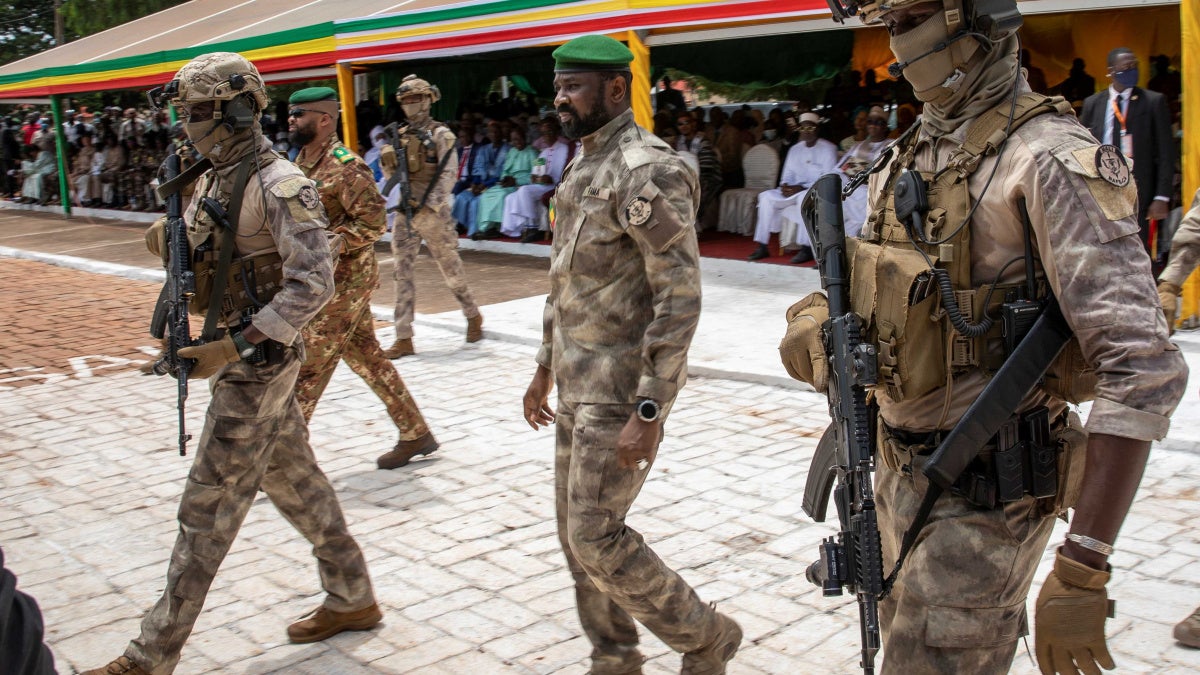
Since the military takeover in 2021, the Mali junta has intensified its crackdown on peaceful dissent, political rivals, and independent media, severely restricting the nation’s civic space. On March 4, Colonel Alpha Yaya Sangaré of the gendarmerie was forcibly disappeared by authorities shortly after he released a book documenting human rights abuses committed by the Mali armed forces.
The National Human Rights Commission of Mali recently issued a statement highlighting its alarm over “serious threats to the exercise of specific civic and political rights, particularly the freedom of association.” The commission expressed outrage at the systematic trend of suspending or dissolving associations and political parties. Seif Magango, a spokesperson for the United Nations High Commissioner for Human Rights, echoed these concerns this week.
As Mali nears three years under unelected rule, the existence of a secure and open political environment where citizens can organize and express their views is more vital than ever. The transitional authorities should immediately reinstate these dissolved organizations and commit to upholding fundamental freedoms and rights.