While dealing with renewed conflict in its northern regions, Mali is now confronting another major hurdle: a dengue fever outbreak.
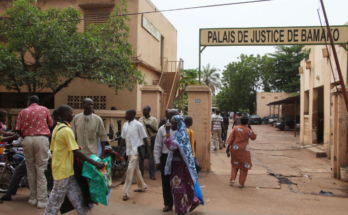
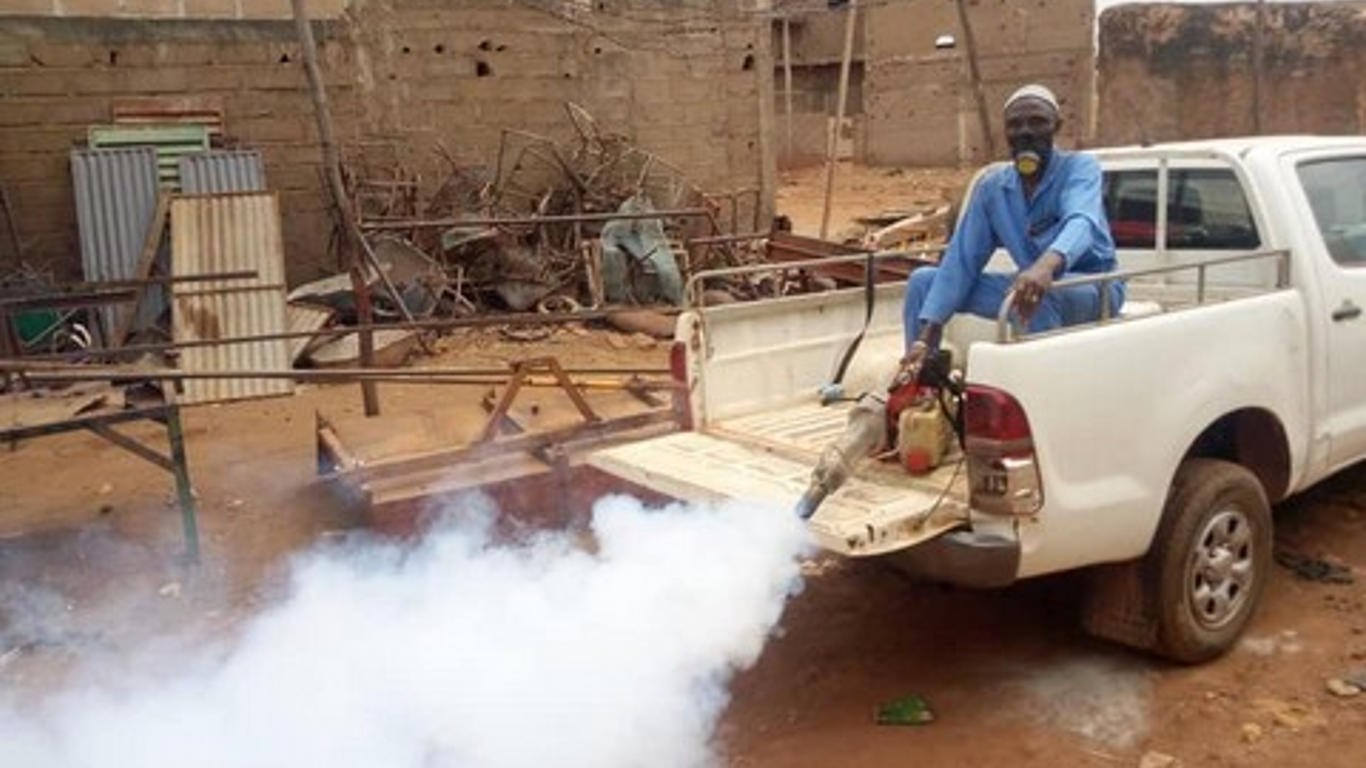
Health authorities in the country are currently on high alert. This debilitating illness, spread by mosquitoes, has resurfaced. Often mistaken for malaria due to overlapping symptoms, dengue frequently goes unnoticed across Africa. However, the virus has been officially identified on Malian soil, with 12 confirmed instances reported in specific areas of Bamako, as well as the Districts of Kalaban Coro and Koulikoro.
“The majority of those affected are adult men,” noted Kalif Keita, the Deputy Director General of Health and Public Hygiene.
Is dengue a recurring issue in Mali?
This is not the nation’s first encounter with this mosquito-borne viral infection. The initial detection of dengue in Mali occurred in 2008, with subsequent outbreaks recorded in 2017 and 2019. Following an outbreak in Burkina Faso earlier this year, Malian officials stepped up their monitoring efforts. Despite these measures, comprehensive data on dengue epidemics remains scarce in Mali and throughout the continent. This lack of information is often attributed to limited diagnostic resources and the fact that its clinical presentation closely mirrors that of malaria.
Current conditions demand heightened vigilance. It is essential for both Malian residents and travelers entering or returning from the country to strictly follow preventative protocols now more than ever.