Political tensions haven’t stopped Mali from reaping the benefits of a major regional electrification project. Despite its departure from the Economic Community of West African States (EDEAO), Bamako continues to participate in a long-standing initiative that has brought electricity to hundreds of thousands of households.
An ongoing project despite institutional rupture
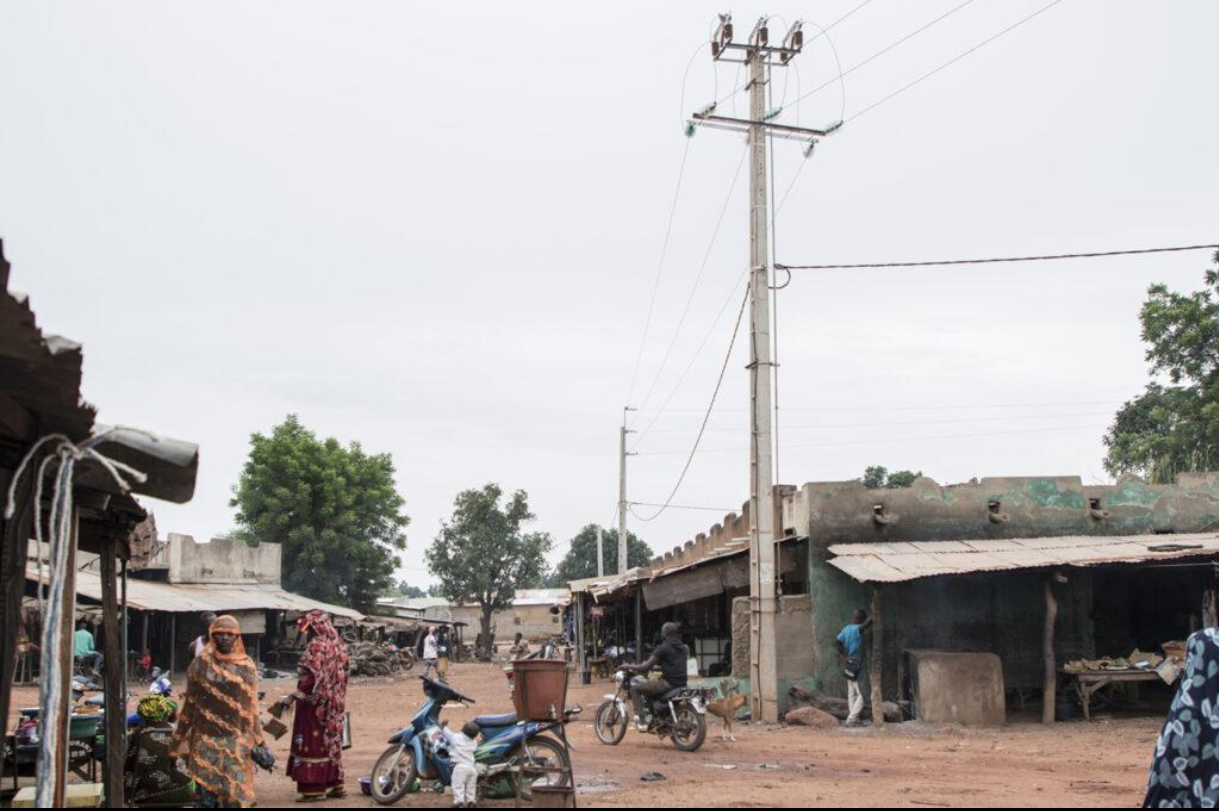
The West African regional electricity access project, launched in 2019, remains active in Mali, Gambia, and Guinea-Bissau. Funded by the World Bank and coordinated by the EDEAO, it has already connected 490 localities, providing new or improved electricity access to nearly 500,000 people.
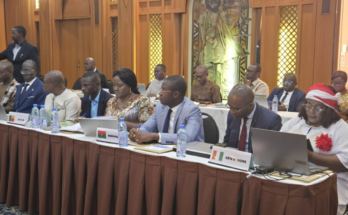
The project’s coordination involves representatives from national energy agencies, including Mali’s Énergie du Mali (EDM-SA), who recently met in Abuja to assess progress and discuss future sustainability. This participation underscores the persistence of technical cooperation, even amid political disagreements.
World Bank funding drives the initiative forward
Totaling $225 million, the funding from the World Bank ensures the project’s continuity. While the EDEAO manages regional coordination, the financial support is independent of the organization’s diplomatic relations with its member states. This distinction highlights how funding and infrastructure commitments can outlast political fractures.
The project’s sustainability relies on several key factors:
- World Bank financing remaining uninterrupted
- Local energy agencies continuing operations
- Population needs taking precedence over geopolitical disputes
Mali prioritizes energy access amid economic and security challenges
For Mali, reliable electricity access is crucial. Oussouby Mary dit Ousmane Diarra, Director of Energy at Énergie du Mali (EDM-SA), has emphasized the project’s impact on local economies and social services. However, ongoing security issues and logistical hurdles have slowed progress, prompting a request to extend the program by at least 30 months.
This appeal, pending approval from the World Bank, reflects the importance of the project to Mali’s development goals, regardless of its EDEAO membership status.
Can energy cooperation survive political divisions?
The case of Mali’s electrification project raises a critical question: can development initiatives survive geopolitical ruptures? The ongoing collaboration suggests that when infrastructure, funding, and public needs align, cooperation can endure even in politically turbulent times.
For the EDEAO, ensuring the long-term viability of these projects is now a priority. For Mali, the focus remains on expanding electricity access across its territory, independent of its institutional relationships. The project’s continued success demonstrates that shared energy goals can bridge political divides.