Belgium maintains €40 million pledge to Burkina Faso post-2027
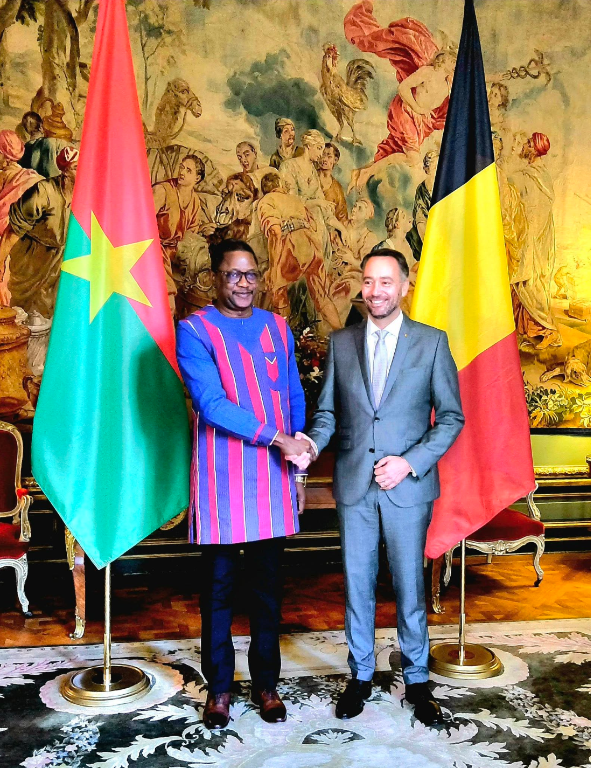
The foreign minister of Burkina Faso, Karamoko Jean-Marie Traoré, concluded a two-day working visit to Brussels on November 5, 2026, securing a renewed financial commitment from Belgium. The pledge includes €40 million in development aid for the period following 2027, reinforcing bilateral cooperation despite political tensions between Ouagadougou and several Western capitals.
What €40 million means for Burkina Faso’s future
The latest announcement builds on the existing 2023-2027 cooperation program, valued at €34.5 million. While the €40 million commitment is not yet fully disbursed, it signals Brussels’ determination to sustain engagement with Burkina Faso, particularly in sectors vital to improving living standards and fostering economic stability.
For Ouagadougou, this funding represents a critical lifeline amid economic instability, soaring living costs, and persistent security challenges in the Sahel region. For Belgium, it underscores the strategic importance of maintaining a cooperative relationship with a nation at the heart of West African security dynamics.
Diplomatic dialogue continues amid shifting alliances
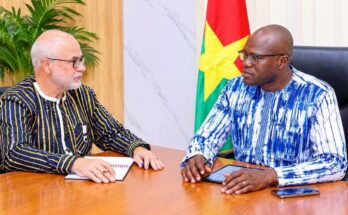
Traoré’s visit extended beyond financial discussions. On November 4, he met with Kaja Kallas, the European Union’s High Representative for Foreign Affairs and Security Policy. The talks centered on Burkina Faso’s evolving relationships with the EU and its broader international partnerships.
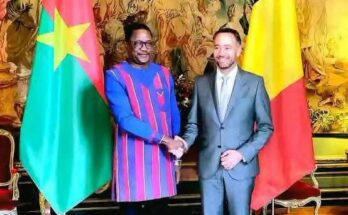
The following day, Traoré engaged with Belgium’s foreign minister, Maxime Prévot, to explore bilateral cooperation, regional stability, and future collaboration avenues. These exchanges highlight that, despite recent diplomatic friction, communication channels between Ouagadougou and European institutions remain operational.
Sovereignty vs. pragmatism: Burkina Faso’s balancing act
Since seizing power in September 2022, President Ibrahim Traoré has positioned national sovereignty as a cornerstone of his administration. The expulsion of French forces, criticism of Western policies, and closer ties with Russia have reshaped Burkina Faso’s diplomatic landscape. Yet, the continuation of financial aid from Belgium challenges perceptions of a definitive break with the West.
This apparent contradiction may stem from a distinction between political rhetoric and pragmatic diplomacy. States often maintain economic ties with partners they publicly critique, especially when such cooperation aligns with national development priorities. Burkina Faso’s strategy suggests an effort to balance anti-Western posturing with the practical need for international support.
Additionally, diversification of partnerships allows Ouagadougou to engage with multiple global actors. Strengthening ties with Moscow while sustaining relations with Brussels does not necessarily indicate a policy shift but rather a multi-aligned approach tailored to distinct objectives.
Is this a turning point in Burkina Faso-Belgium relations?
While the €40 million pledge and high-level meetings indicate a willingness to preserve dialogue, they do not yet signify a major diplomatic realignment. A true rapprochement would require concrete actions: expanded agreements, renewed sectoral cooperation, and the implementation of promised funds.
For Belgium, sustaining engagement ensures continued influence in a region critical to European security interests. For Burkina Faso, the challenge lies in leveraging external resources while asserting independence in partner selection. The newly announced aid serves as evidence that, despite assertive sovereignty declarations, Ouagadougou and Brussels are still finding common ground. The delicate equilibrium between rhetoric and reality continues to shape Burkina Faso’s foreign policy under Traoré’s leadership.