Fresh evidence has exposed a grim paradox in Mali’s fight against violent extremism: while soldiers fall to jihadist bullets, civilians are paying the ultimate price in alleged military crackdowns. New findings detail how the very forces tasked with securing the population are now under scrutiny for deadly abuses committed alongside foreign partners.
Jihadist strikes leave Malian troops exposed
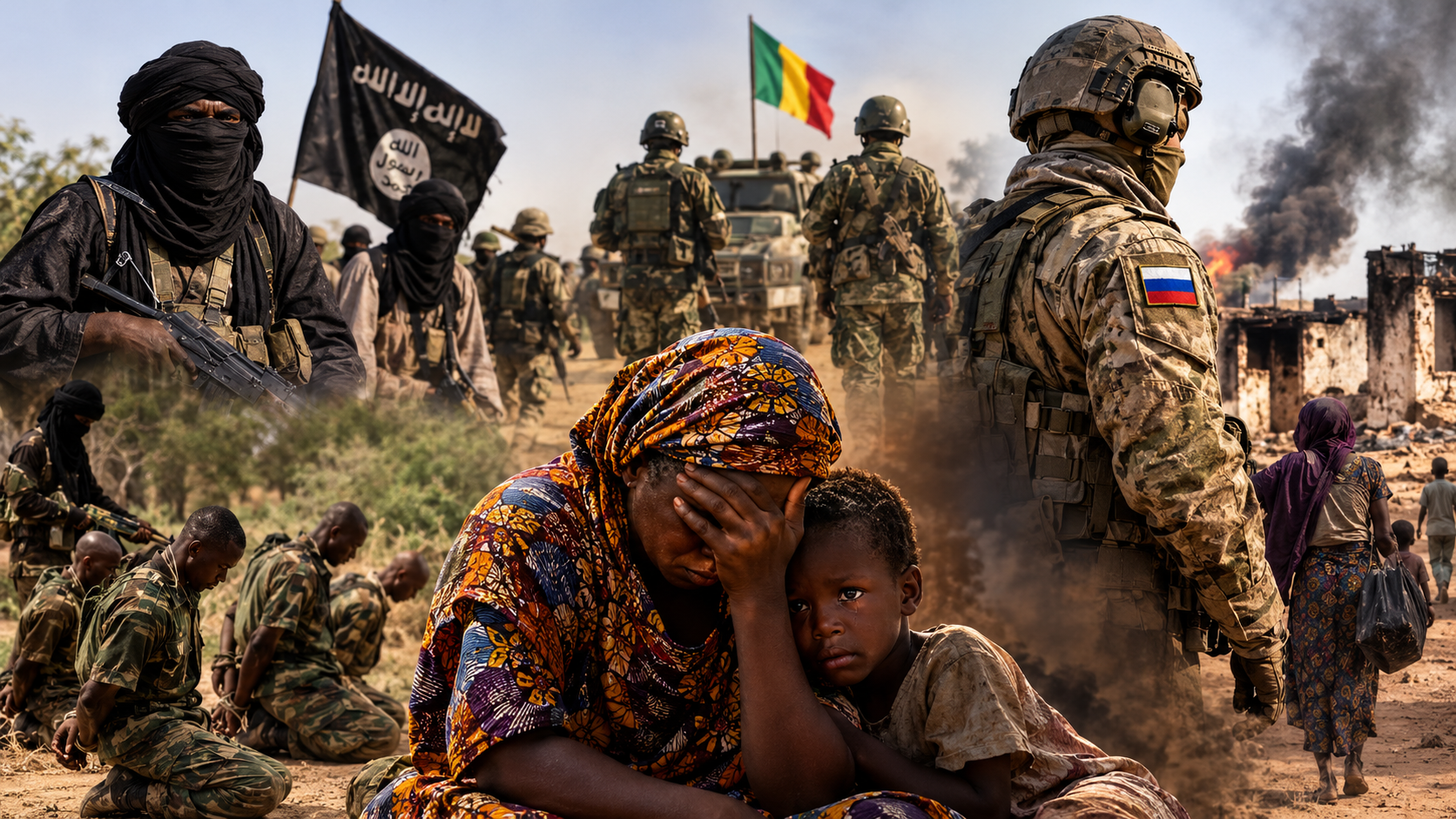
Soldiers in Mali remain under relentless attack by the Group for the Support of Islam and Muslims (JNIM), a coalition of extremist factions. Videos and witness accounts confirm repeated ambushes in which government forces are executed in cold blood. These lethal strikes underscore the persistent threat facing the Malian army as it battles entrenched insurgency.
Yet this ongoing violence against uniformed personnel does not excuse the pattern of civilian harm emerging from areas under military control. Reports indicate that entire communities are caught in the crossfire not just from jihadist gunfire, but from alleged retaliatory action by government-aligned forces.
Civilian casualties rise amid disputed military operations
According to field investigations, civilians including women and children are increasingly caught between crossfire or targeted in sweeping raids. Local residents describe a climate of fear in which villages are raided under the pretext of suspected jihadist affiliation, leading to indiscriminate violence and property destruction.
The military denies targeting non-combatants, but mounting accounts from affected families and independent observers tell a different story. In one documented case, a night raid in a rural settlement resulted in the deaths of five civilians, including an elderly farmer and two minors. No fighters were found on the scene.
Foreign involvement adds complexity to responsibility
Africa Corps, the Russian-backed security contingent supporting Malian troops, has become a central figure in the debate over accountability. Since Bamako strengthened ties with Moscow, joint patrols and coordinated strikes have become more frequent. Analysts warn that without transparent oversight, such operations risk becoming a cover for human rights violations.
The presence of Africa Corps is framed by Malian authorities as essential to regaining control over terrorized regions. Yet without public access to operational logs or independent monitoring, it remains impossible to separate legitimate counterterrorism from alleged civilian abuse.
Can Mali secure peace or only escalate fear?
At the heart of the crisis lies a fundamental question: for whom does the state fight? If military operations are supposed to protect citizens, their impact should not mirror the violence they aim to defeat. The deaths of soldiers must be met with resolve, but the deaths of civilians must be met with justice.
The international community has repeatedly called for restraint, but accountability remains elusive. Investigations into civilian killings have stalled, and perpetrators whether jihadists or government-backed forces continue to operate with impunity. Until trust is restored through transparent investigations and reparations for victims, Mali’s security strategy will remain mired in contradiction.
What’s next for Mali’s war-weary communities?
Without a shift in approach one that prioritizes civilian safety, independent oversight, and real consequences for abuse Mali risks repeating the same cycle of violence. Communities yearn for peace, but current tactics risk deepening mistrust and fueling further radicalization.
As the nation grapples with this dual tragedy, one truth is clear: no strategy can claim success if the innocent continue to pay the highest price.
By Jeanne Ntouba — Journalist