Niamey’s streets choke on empty fuel stations
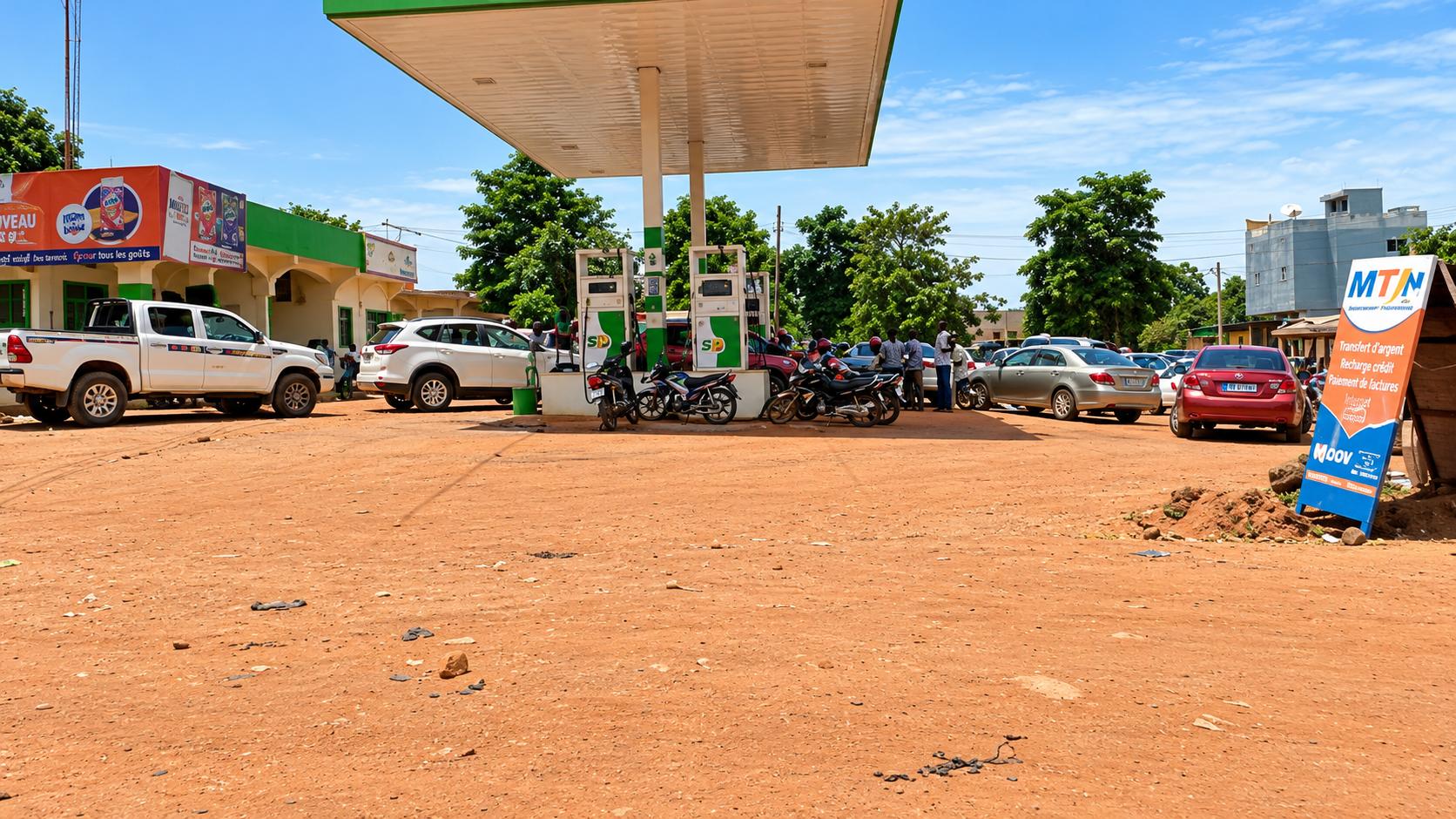
In Niger’s capital, daily life has ground to a halt. Motorists endure endless queues at gas stations that have run dry, while authorities scramble to impose erratic rationing measures. A government attempt to publicize the few available stations only worsened the chaos, drawing desperate crowds to the same locations and deepening the crisis.
Collapse of the fuel supply chain paralyzes Niger’s economy
The shortage is more than an inconvenience — it’s a threat to Niger’s economic survival. Fuel powers everything from public transport to food distribution and small businesses. Without reliable access, commuters waste hours in queues, transporters cancel routes or inflate prices, and the most vulnerable face extortionate costs from unregulated vendors peddling diluted, dangerous fuel.
The root of the crisis: A failed national fuel plan
Despite proudly declaring energy sovereignty, Niger’s fuel infrastructure has collapsed under its own weight. While the Soraz refinery in Zinder exists, it cannot meet national demand. Official admissions in October 2026 revealed a staggering shortfall — 196.62 million liters of gasoline and 52.60 million liters of diesel were missing over the first eight months of the year. This wasn’t a Niamey-specific accident — it was a nationwide failure of planning and foresight.
Worse still, the sudden disappearance of cheap smuggled fuel from Nigeria — following the end of its subsidy program — shifted the burden entirely onto Niger’s already strained supply systems. Despite months of clear warning signs, officials failed to prepare, leaving the country dependent on expensive, poorly managed imports to patch a gaping hole in domestic production.
Emergency measures without strategy
Rationing fuel and publishing sporadic station updates are not solutions — they are desperate stopgaps. These measures do nothing to address the structural breakdown; they merely relocate the suffering from one neighborhood to another, leaving citizens in perpetual uncertainty about when fuel will be available. Families lose income, businesses shutter, and the informal sector thrives in the void left by state failure.
Government silence fuels panic and distrust
Instead of transparency, Niger’s government shrouds the crisis in opacity. Citizens demand clear information about fuel stocks and distribution schedules, but official responses remain vague and evasive. When allegations of mismanagement or diversion arise, officials dismiss concerns without evidence, deepening public skepticism. This lack of accountability fosters an environment where speculation replaces supply, and rumors replace facts.
The human cost:Families and businesses bear the burden
The impact is most severe on ordinary people. Drivers spend entire days in fuel lines, motorcyclists take on crippling debt to black-market lenders, and local businesses face crippling transport costs. If the crisis persists, essential goods will become unaffordable, pushing inflation beyond control and eroding living standards across Niger.
The danger of unregulated markets
The rise of informal fuel vendors isn’t a market correction — it’s a symptom of state failure. By abandoning control of the fuel supply, authorities expose citizens to financial fraud, adulterated fuel, and mechanical damage. This is not a sustainable path. It is a breakdown of governance so profound that even the most basic public service — reliable access to fuel — has been lost.