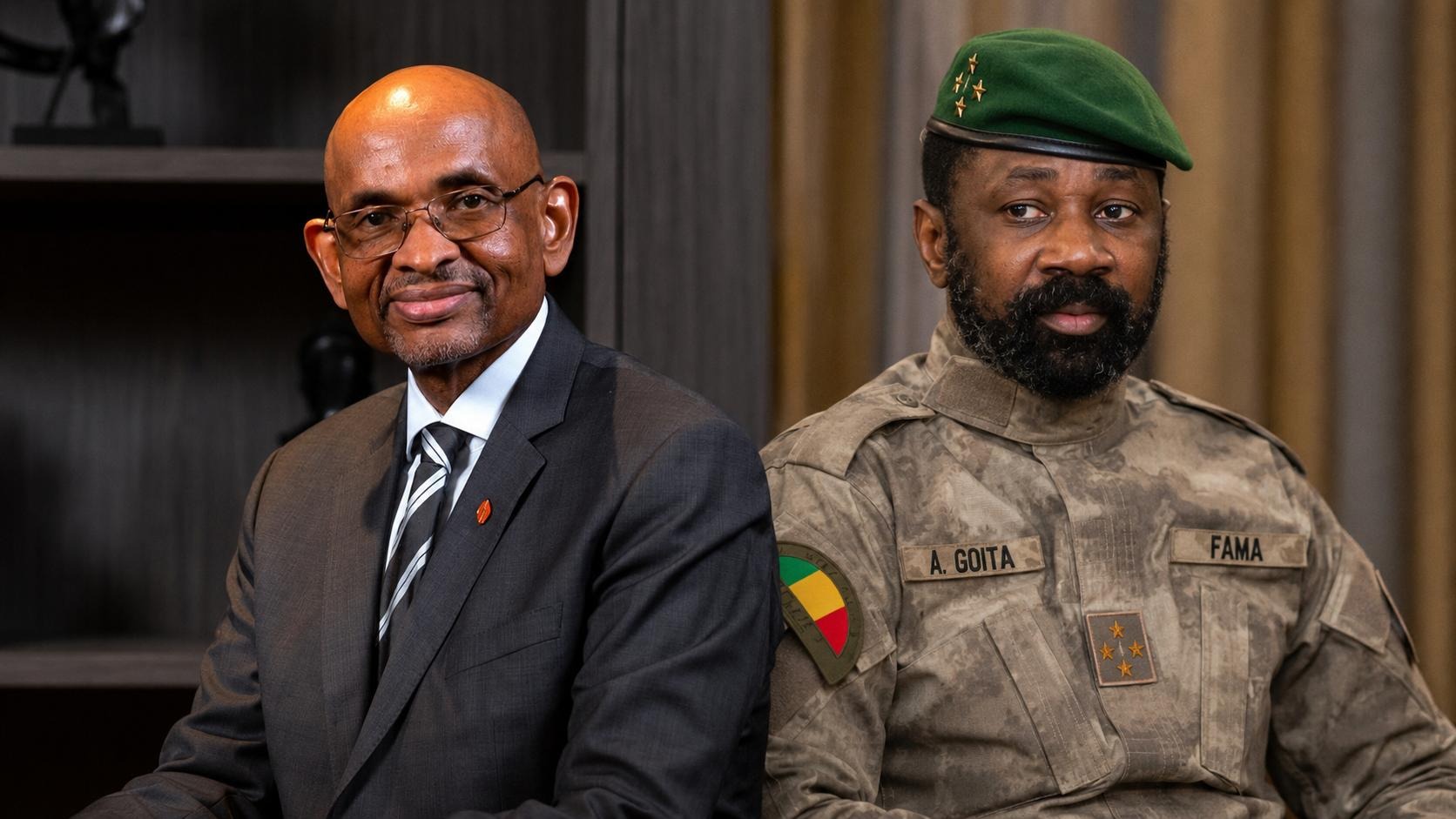
Authoritarian regimes, after systematically silencing dissenting voices, shutting down independent media, and stifling freedom of expression, invariably encounter a significant hurdle: the economic autonomy of their populace. Throughout history, dictatorships consistently demonstrate that achieving complete societal control necessitates not just governing thought, but also dictating sustenance and livelihoods.
Mali’s transitional military government now exemplifies this predictable shift. Cloaked in an appealing administrative initiative – the widely publicized signing of a «Charte des micro, petites et moyennes entreprises (MPME)» – the regime marks a new phase. What official propaganda portrays as an effort to «structure» the private sector appears, in practice, to be a political takeover of entrepreneurial freedom in Mali.
Economic control: the final pillar of authoritarianism
In a nation where the informal economy sustains over 90% of the population, serving as the primary source of livelihood for youth and women, this sudden push for regulation is far from innocuous. Within any dictatorial system, the informal sector is inherently viewed as a threat because it naturally evades state surveillance, official registries, and direct government control.
By seeking to label, classify, and subject small traders, artisans, and transporters to new state criteria, the authorities are not aiming to streamline business but rather to expand their influence. With financial institutions and public aid mechanisms now subservient to the ruling power, this charter establishes the foundation for a formidable clientelist tool. In the future, access to credit, public contracts, or even the legal right to operate could hinge on political loyalty or acquiescence to the regime’s actions.
Funding and electricity: the true unaddressed issues
Official rhetoric suggests addressing the energy and financial crises stifling Mali’s economic fabric. However, on-the-ground realities contradict this superficial concern. World Bank data indicates that nearly 40% of the nation’s formal businesses identify access to credit and persistent electricity outages as their primary impediments.
Neither new charters nor elaborate ceremonies at the Conseil national du patronat will power generators or reduce interest rates. By diverting focus to a new regulatory framework instead of addressing failing infrastructure, authorities effectively conceal their own inability to provide essential services crucial for economic vitality.
One freedom never exists without the other
The history of autocratic regimes consistently shows that there are no impermeable divisions between different types of freedoms. Political liberties cannot be suppressed indefinitely without ultimately encroaching upon economic liberties.
By stifling freedom of expression, the authorities ensured that entrepreneurs burdened by taxes or power outages could no longer openly protest. Now, by targeting entrepreneurial freedom under the guise of «structuring,» the Malian regime seeks to close the final avenue of autonomy remaining for citizens: the ability to provide for themselves without relying on the goodwill of the ruling military. Such economic centralization, in other contexts, has historically led to widespread impoverishment and the collapse of private initiatives.