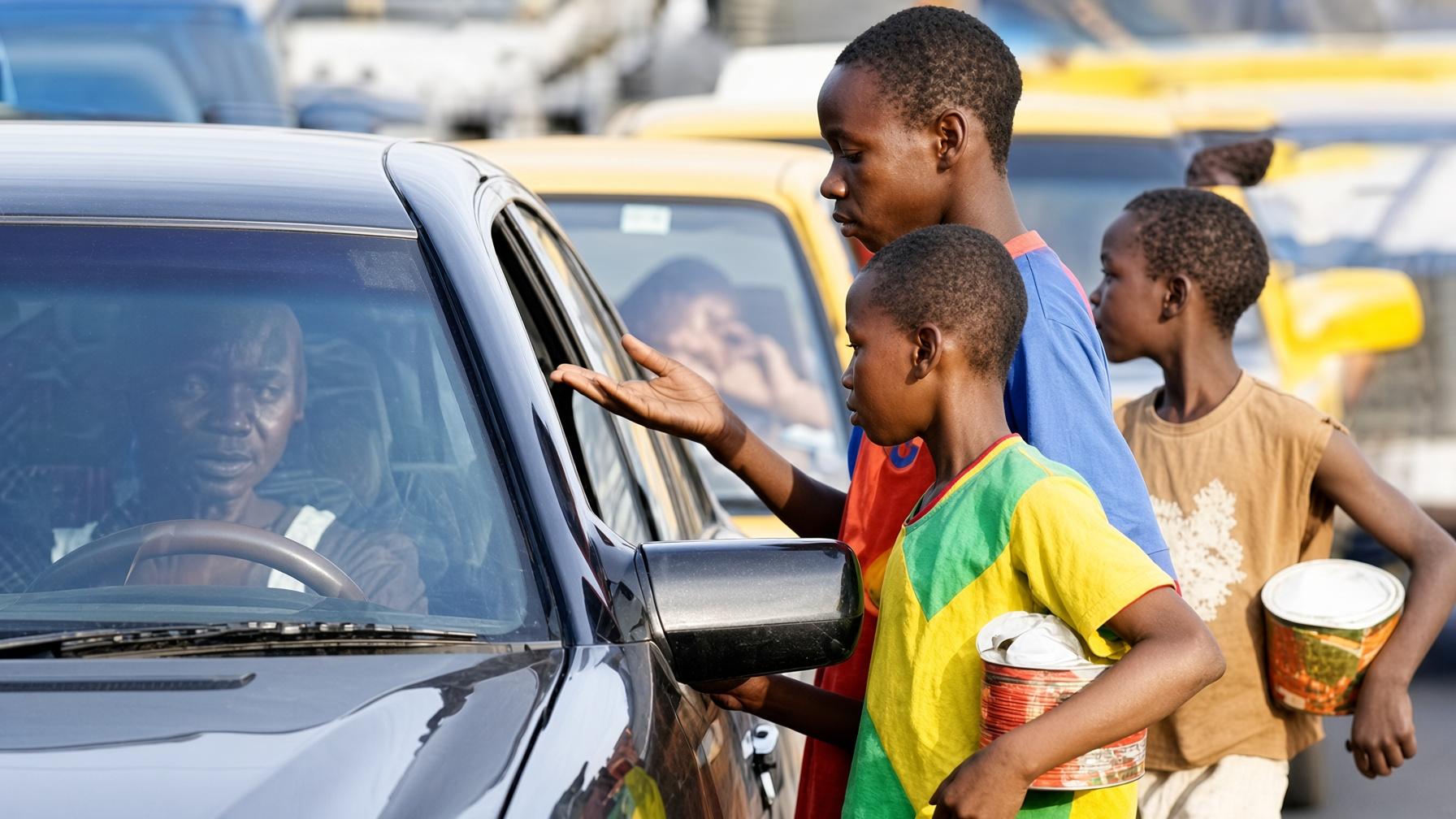
Mali’s out-of-control street begging epidemic threatens national stability
In Bamako, a disturbing scene unfolds daily at major intersections, outside government buildings and religious sites. Hundreds of children, disabled individuals and elderly citizens beg for alms while authorities struggle to respond. Despite repeated pledges and public awareness campaigns, Mali’s street begging crisis has spiraled into an unmanageable public health and governance failure.
Urban streets become battlegrounds as begging spirals
What was once a marginal issue has now become embedded in Bamako’s urban fabric. At every red light, young children—many of them talibés sent by unscrupulous Quranic teachers or abandoned minors—dart between vehicles, risking injury and exploitation. Government efforts to rescue these children and provide social support have proven ineffective. Even after high-profile detentions and temporary removals from the streets, most return within hours due to the absence of sustainable shelters, funding gaps and weak follow-up systems.
State failure fuels the crisis
At the heart of this worsening tragedy lies systemic state breakdown and deep socioeconomic decay. The Malian government’s inability to deliver basic services has deepened poverty across large sectors of the population:
- Collapse of social infrastructure: Chronic underfunding in education and social protection has left millions vulnerable. The failure to provide free, quality schooling pushes impoverished families to abandon children to the streets, where they face exploitation and destitution.
- Unregulated Quranic schools enable exploitation: Informal médersas operate with near-total opacity. Authorities frequently overlook the illegal recruitment and forced begging of children under the guise of religious tradition, despite clear legal obligations to intervene.
- Misuse of public funds: While security spending and institutional operations consume the bulk of the national budget, allocations for human development and poverty reduction remain critically low, leaving critical social programs under-resourced and ineffective.
- Bureaucratic corruption and wastage: Social assistance programs—often funded by international donors—suffer from rampant mismanagement. Funds intended for reintegration and protection rarely reach the intended beneficiaries due to inefficiency, red tape and embezzlement.
From social crisis to security risk
This unchecked spread of street begging is not merely a humanitarian concern—it is a national security threat. Homeless, illiterate and unprotected children are prime targets for criminal networks and militant groups operating across the Sahel. By neglecting this crisis and relying on symbolic gestures rather than concrete action, the Malian state is fueling a cycle of instability that threatens its very survival.
Without urgent reforms, transparent governance and sustained investment in human development, Mali’s streets will continue to be dominated by desperation, exploitation and lost potential. The future of the nation lies in the hands of its children—and at this rate, they are being failed every day.