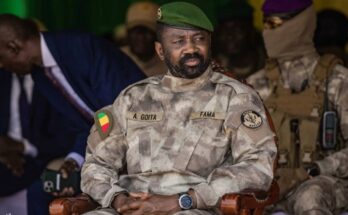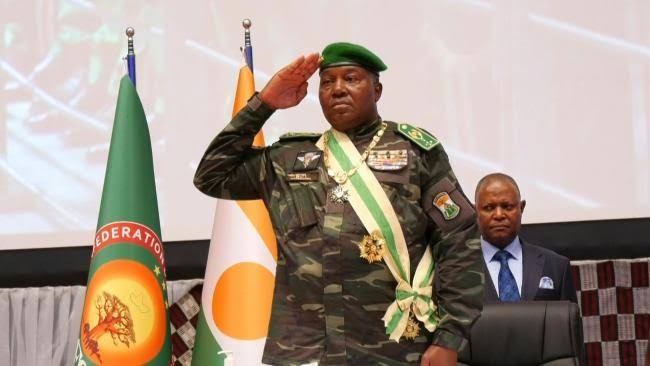
The embattled military regime in Niger, led by General Abdourahamane Tiani, has escalated its financial desperation with an audacious move against its top economic partner: China National Petroleum Corporation (CNPC), including its subsidiaries WAPCO and the SORAZ refinery.
Ultimatum puts $5 billion demand on the table
The Transitional Government of Niger has delivered an unprecedented ultimatum to CNPC, demanding the immediate transfer of over 3,000 billion West African CFA francs—approximately $5 billion—within 45 days. The regime claims this sum represents alleged delays in repatriating export oil revenues, a move widely viewed as state-sponsored extortion.
The financial squeeze is part of a broader collapse in public finances, compounded by drastic budget cuts (reduced from 3,033.33 billion to 2,749.55 billion FCFA) and unsustainable defense expenditures. With revenues plummeting and debts piling up, the junta is scrambling to plug a widening budget deficit by targeting one of its few remaining income sources.
Critics argue the regime’s narrative ignores key financial realities: Niamey has already benefited from a $400 million loan from Beijing in 2024, secured against future oil receipts. Furthermore, the government conveniently omits that only 105 billion FCFA in foreign currency has been repatriated over two years from the Agadem oil field, a figure dwarfed by the massive demand being made on CNPC.
Seven coercive demands to cripple CNPC operations
The ultimatum includes seven punitive demands designed to force CNPC into submission and extract maximum financial and operational control:
- Cash injection mandate: A forced repatriation schedule demanding immediate liquidity transfers in FCFA, ignoring commercial realities and currency risks.
- Local hiring quotas: Unrealistic employment mandates requiring up to 90% of staff to be Nigerien, despite limited domestic technical expertise.
- Control of the WAPCO pipeline: Reopening and re-auditing of the Niger-Benin pipeline (valued at $2.3 billion) to unilaterally renegotiate tariffs in Niger’s favor.
- Takeover of SORAZ refinery governance: Gradual removal of Chinese management and imposition of state-appointed officials to steer operational decisions.
- Reserve revaluation diktat: Demand for a unilateral reassessment of Agadem oil reserves to renegotiate tax shares upward.
- Forced new investments: Pressure to commit an additional $1 billion in exploration projects (Dinga Deep and Abolo-Yogou), under threat of license revocation.
- State infiltration of CNPC subsidiaries: Placement of government-appointed officials into key decision-making bodies of CNPC operations.
Diplomatic brinkmanship risks long-term isolation
This aggressive posture is not the regime’s first act of economic intimidation. In March 2025, Chinese executives were expelled within 48 hours under dubious legal grounds, setting a precedent for further coercive tactics. By targeting CNPC—the country’s largest foreign investor—Niamey is wagering that Beijing will yield under pressure. However, analysts warn that such brinkmanship could backfire spectacularly.
Should CNPC refuse or challenge the demands, the regime risks triggering a wave of capital flight from Chinese investors, accelerating the country’s economic isolation. With foreign reserves dwindling and international partners already wary, Niger’s gamble may leave it more vulnerable than before—economically paralyzed and diplomatically alone.
The fragile balance between survival and self-sabotage
The junta’s desperate play reflects a broader pattern of crisis management through extortion and coercion. By weaponizing regulatory control, forcing asset revaluations, and demanding cash injections under duress, the government appears to be gambling with the very infrastructure it claims to protect.
If this confrontation escalates, the consequences could be catastrophic: loss of foreign investment, suspension of oil exports, and a further collapse of public services. As the 45-day deadline looms, Niger finds itself at a crossroads—between short-term fiscal relief and long-term economic ruin.