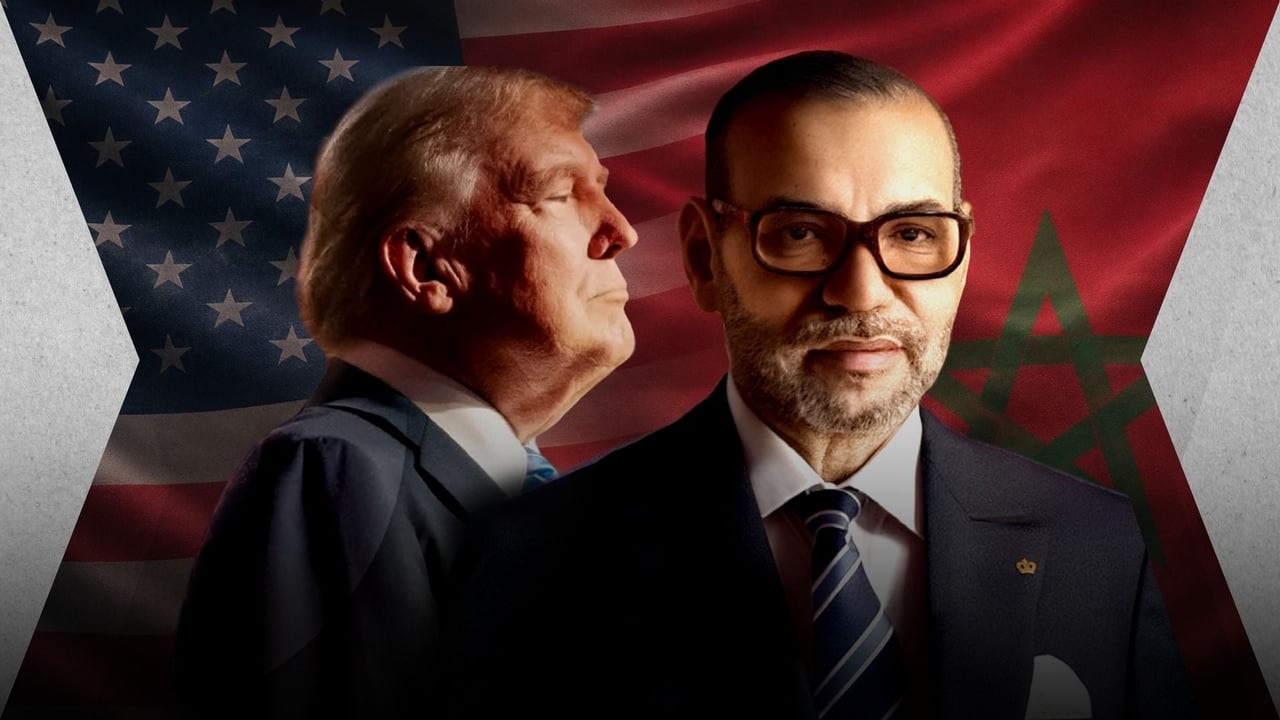
For two and a half centuries, the bond between Morocco and the United States has stood as a testament to strategic foresight, mutual economic gains, and geopolitical alignment. This enduring relationship, rooted in history, continues to shape diplomatic and trade dynamics across the Atlantic.
The partnership traces its origins to the late 18th century, when Morocco became the first African nation to recognize American independence in 1777. This historic gesture laid the foundation for a diplomatic alliance that has only strengthened with time.
diplomatic ties forged in the fires of history
The formal establishment of diplomatic relations in 1786 marked the beginning of a long-standing collaboration. Over the decades, Morocco and the United States have navigated global shifts—from colonial pressures to Cold War tensions—while maintaining a consistent dialogue centered on shared interests.
Key milestones include:
- Mutual recognition of independence, establishing Morocco as a key partner in North Africa
- Economic cooperation that has flourished under bilateral trade agreements
- Security collaboration in counterterrorism and regional stability efforts
a partnership built on economic synergy
Trade between Morocco and the United States has expanded significantly, driven by preferential market access under the African Growth and Opportunity Act (AGOA). This framework has enabled Moroccan exports—particularly textiles, agriculture, and automotive components—to thrive in American markets.
Investments have flowed in both directions, creating jobs and fostering innovation. American companies have established a strong presence in Morocco’s industrial zones, while Moroccan businesses have gained footholds in sectors ranging from renewable energy to outsourcing services.
strategic interests in a shifting world
The alliance remains critical in a region marked by instability. Morocco’s stability and pro-Western stance have made it a reliable partner for the United States in addressing security challenges, including counterterrorism and migration management.
Both nations also share concerns over regional conflicts, energy security, and the rise of competing global powers. This alignment ensures that their partnership remains relevant amid evolving geopolitical landscapes.
cultural and educational exchanges
Beyond economics and security, the relationship thrives on people-to-people connections. Educational exchanges, cultural programs, and tourism have deepened mutual understanding, reinforcing the bond between the two nations.
Institutions like the Moroccan-American Commission for Educational and Cultural Exchange (MACECE) continue to facilitate academic and professional collaborations, nurturing the next generation of leaders who will carry forward this legacy.
looking ahead: a future of continued collaboration
As both countries navigate the challenges of the 21st century, their partnership shows no signs of weakening. New agreements in technology, renewable energy, and defense are on the horizon, promising to further solidify their alliance.
The 250-year journey of Morocco and the United States serves as a model for how historical ties can be leveraged into modern-day success. With shared vision and commitment, this alliance will continue to shape the future of transatlantic relations.