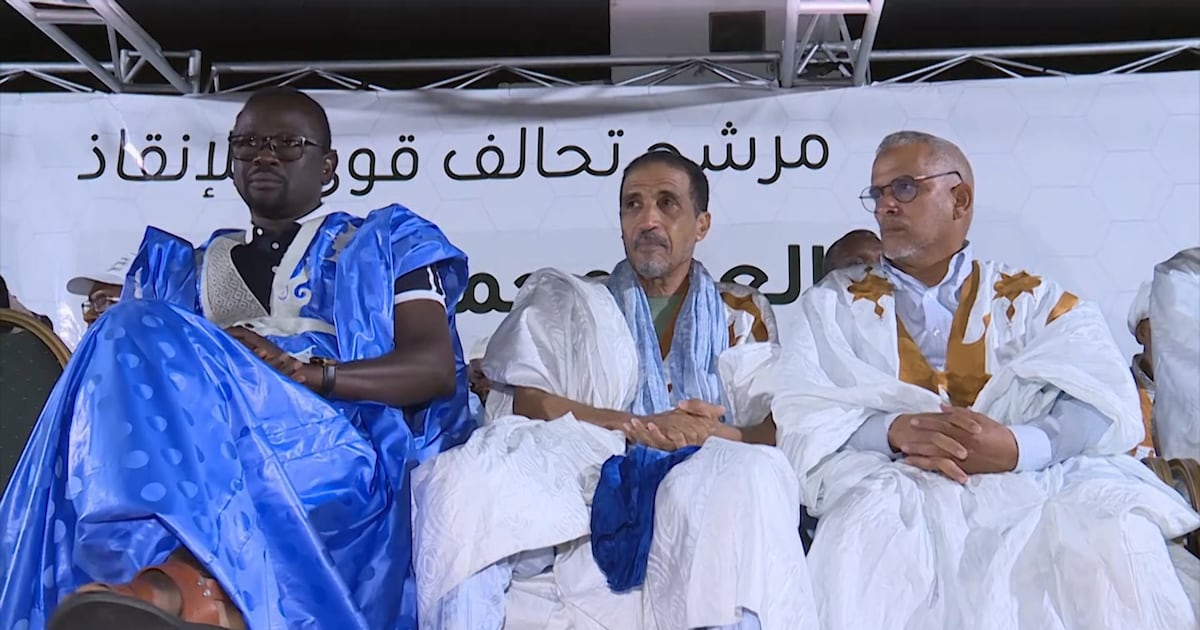
Professor Maouloud assumes leadership of Mauritania’s largest opposition coalition against a backdrop of unprecedented public mobilization. A massive rally in Nouakchott drew tens of thousands of citizens, underscoring growing public engagement with national issues.
Critical challenges mount for the new coalition leader
Mauritania stands at a crossroads with multiple pressing concerns that demand immediate attention. A stalled national dialogue process has left key national questions unresolved, while rising ethnic tensions threaten social cohesion. The security situation in eastern regions bordering Mali remains volatile, exacerbated by an influx of refugees and restricted border access that disrupts traditional pastoral routes.
Escalating living costs have further strained households across the country, intensifying economic hardship for ordinary Mauritanians. These interconnected crises form the core of the challenges facing the new opposition leader as he takes charge of the coalition.
Dialogue process becomes top priority
The stalled national dialogue represents the most immediate obstacle. The opposition leader has expressed deep concern over what he describes as deliberate obstruction by ruling coalition parties. In particular, he highlights attempts to introduce constitutionally prohibited discussions about a third presidential term, which do not align with the established reform agenda.
Maouloud has issued a formal appeal to President Mohamed Cheikh El Ghazouani, urging decisive action to break the deadlock. «The national dialogue isn’t just another issue—it’s the foundation for resolving all other challenges,» he emphasized. Without comprehensive consensus-building involving all stakeholders, Mauritania’s path forward remains uncertain.
Security and social tensions escalate
The opposition coalition leader warns of a national emergency stemming from multiple crises. Ethnic rhetoric amplified through social media platforms has heightened social divisions, while insecurity in Mali’s border regions has triggered a refugee crisis that directly impacts Mauritanian communities.
The closure of border crossings has particularly affected pastoralist communities, cutting off traditional migration routes for livestock herders. Meanwhile, nationwide economic pressures have eroded living standards, with inflation driving up basic commodity prices.
These interconnected challenges—ranging from political stagnation to security threats and economic hardship—define the urgent agenda facing Mauritania’s new opposition leadership as it seeks to chart a path forward for the nation.