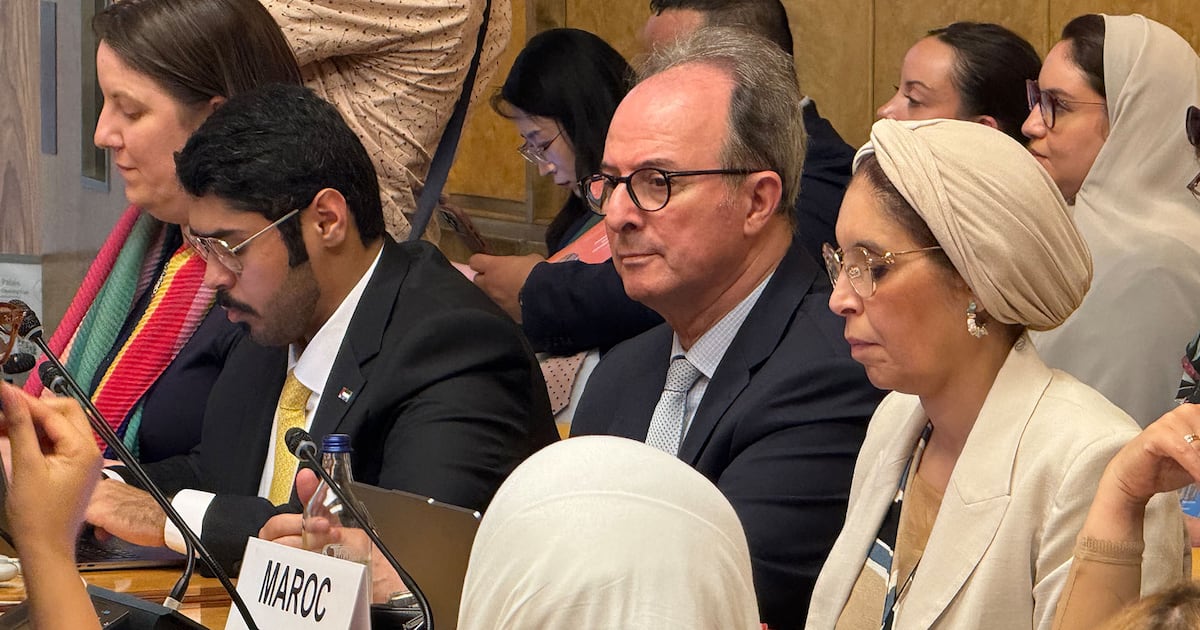
Under the theme “Beijing After 30 Years: Mobilising the UN Human Rights System to Advance Gender Equality and the Full Enjoyment of Women’s and Girls’ Rights,” the meeting provided Morocco with a platform to share its experience and proposals for international human rights governance.
In a statement, El Habib Belkouch emphasised the strategic importance of participating in the Human Rights Council’s work, noting that these forums are essential for tracking developments both domestically and globally. He highlighted Morocco’s contribution by organising an international symposium in Rabat dedicated to the 20th anniversary of the Universal Periodic Review (UPR), described as the first such initiative worldwide.
According to Belkouch, the symposium produced concrete recommendations aimed at enhancing the effectiveness of one of the UN system’s most robust accountability mechanisms. “This is not an isolated event, but a step within a comprehensive strategy to strengthen and streamline international human rights mechanisms,” he explained.
Looking ahead, the Moroccan official mentioned preparations for an upcoming international meeting focused on evaluating various components of the UN system—including special procedures, rapporteurs, working groups, and treaty bodies. The goal is to improve institutional coherence amid a proliferation of mechanisms and occasional thematic overlaps, particularly in areas such as children’s rights.
El Habib Belkouch also stressed the current international context, which he described as a “period of crisis,” arguing that it paradoxically presents an opportunity for ambitious reforms. “Emerging from the crisis requires charting positive prospects, consolidating gains, and reinforcing the place of human rights in the face of challenges observed in several regions of the world,” he stated.
He further highlighted Morocco’s experience with national mechanisms for monitoring and implementing international recommendations. Presented as a developing model at the international level, this approach has attracted growing interest from several countries. “States such as South Korea, the Netherlands, and the United Arab Emirates have expressed interest in the Moroccan experience and have engaged in exchanges to draw inspiration from it,” he noted.
For the interministerial delegate, these national mechanisms represent the future of human rights action, as they enable the transition from formulating recommendations to their effective implementation. “It is at this level that the real concretisation of human rights takes place,” he concluded.
He also noted that this topic was among the most striking subjects presented during the Glion forum, to which Morocco contributed last year, reaffirming its commitment to actively participate in shaping debates on the future of the international human rights system while promoting its own progress and advocating for more efficient and coherent governance.