In a remarkable display of diplomatic finesse, the Kingdom of Morocco has emerged as the linchpin behind the liberation of Yann Vézilier, a French intelligence officer held in Mali for nearly a year. The unfolding of this sensitive case underscores Rabat’s growing influence in Sahelian affairs, where its strategic acumen is increasingly sought after.
From detention to freedom: a high-stakes negotiation
Yann Vézilier, a French national serving with the DGSE (Direction Générale de la Sécurité Extérieure), found himself behind bars in Mali after being sentenced to two decades in prison on June 5, 2026. Authorities in Bamako accused him of conspiring to undermine state security. However, on August 13, 2026, Malian President Assimi Goïta granted him a presidential pardon, allowing his repatriation to France.
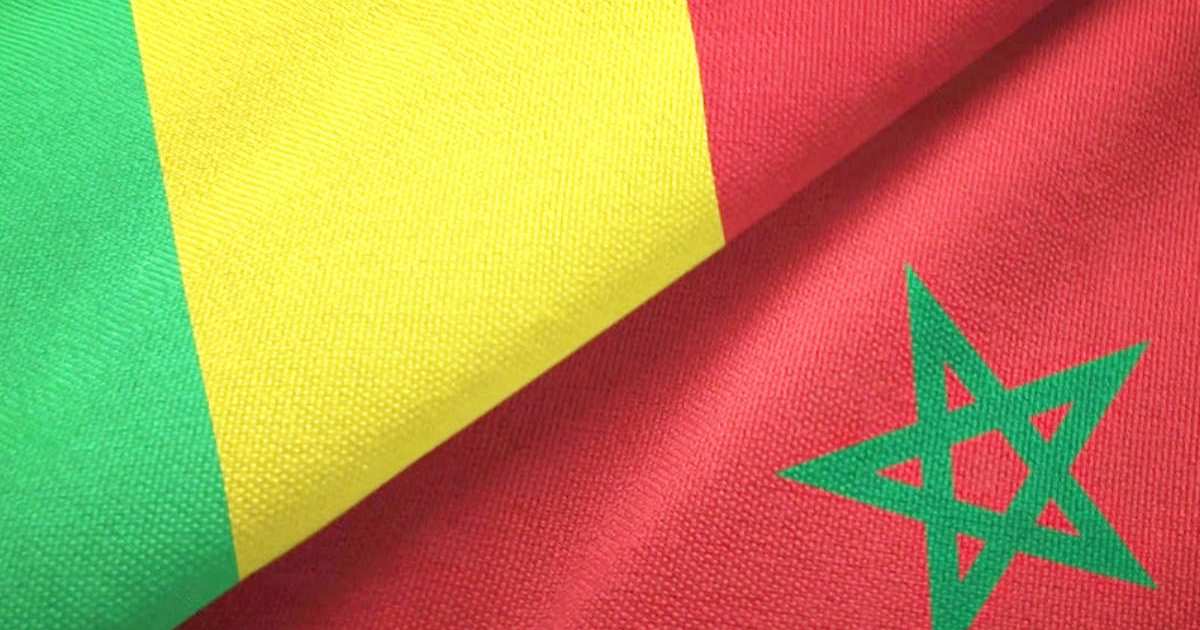
The decision marked the culmination of a discreet yet highly effective mediation effort. In an official statement, Malian authorities expressed gratitude to a ‘fraternal nation’ for its ‘good offices’, widely interpreted as a nod to Morocco’s instrumental role in brokering the deal. Rabat’s involvement facilitated critical backchannel communications between Paris and Bamako, a task complicated by the strained relations between France and Mali.
Trust and regional strategy behind Morocco’s success
This outcome highlights the deep trust Mali places in Morocco—a trust built on years of consistent engagement. While other nations struggle to maintain open lines of dialogue in the Sahel, Morocco has cultivated direct and reliable channels with regional governments, a rare advantage in today’s shifting geopolitical landscape.
The Moroccan monarchy’s approach is pragmatic: fostering security cooperation, providing training, and boosting economic ties without imposing political conditions. This balanced strategy has paid dividends in high-stakes scenarios, including the recent release of a French agent.
Lessons from Burkina Faso
Morocco’s role in Mali echoes a similar intervention in Burkina Faso in December 2024. At the time, four French DGSE operatives were freed following Morocco’s diplomatic intervention after earlier negotiations had collapsed. The success in Ouagadougou demonstrated Rabat’s ability to navigate complex security challenges where traditional channels faltered.
The consistent pattern suggests Morocco is carving out a unique niche in the Sahel—not as a replacement for Western influence, but as a trusted intermediary capable of bridging divides. Its growing reputation as a reliable partner in sensitive matters positions it as a key player in Europe-Sahel relations.