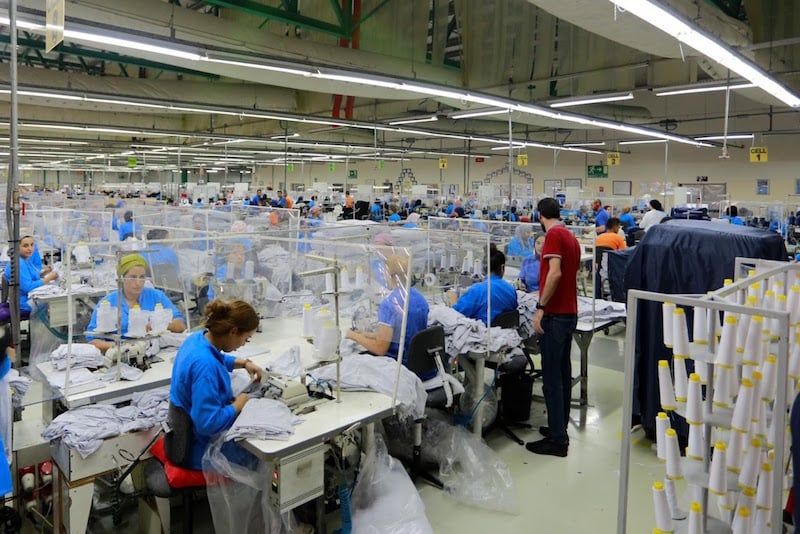
Morocco stands at the forefront of a transformative shift in its textile industry, with circular economy initiatives poised to unlock $1.9 billion in private investments and generate over 30,000 new jobs. This potential stems from a dual focus: recycling textile waste to meet Europe’s growing demand for transparent, sustainable apparel while reducing the sector’s environmental footprint.
A pilot program, implemented with support from the International Finance Corporation (IFC), has already exceeded its initial targets by more than double. The initiative processed 2,400 metric tons of textile waste for recycling, converting 427 metric tons into high-value materials. This success marks a turning point for an industry previously fragmented among informal collectors and low-value outlets, now transitioning into a structured, high-impact sector.
By integrating recycled fibers, Moroccan textile manufacturers could slash carbon emissions by 18% and cut water consumption by over 60% compared to traditional methods. These improvements align with the pressing demands of European buyers, who prioritize sustainable sourcing, and address the kingdom’s own challenges, including water scarcity and consumer scrutiny over garment composition.
Europe’s traceability demands and legal frameworks
The study highlights a critical social dimension: over 80% of Morocco’s informal textile waste collectors operate without formal recognition. However, targeted public policies could formalize up to 75% of these workers within five years, enhancing their income stability, social protections, and career progression. This shift would not only elevate livelihoods but also strengthen the industry’s integrity.
Morocco’s strategic advantages—its proximity to Europe, robust manufacturing base, and reputation for sustainable production—position it as a prime candidate for becoming a regional leader in eco-conscious textiles. Yet, achieving this status requires targeted reforms, including the official recognition of textile waste as a reusable resource, the modernization of customs regulations, and the adoption of EU-compatible traceability systems.
The stakes are high for exporters. The European Union, which absorbs 93% of Morocco’s textile exports, will enforce a digital product passport starting in 2027. This system will mandate QR codes or NFC chips on garments, embedding verifiable data on environmental impact, sourcing history, and material composition. Compliance will no longer be optional—it will be a gateway to premium markets.