detention enters second year as international calls for justice mount
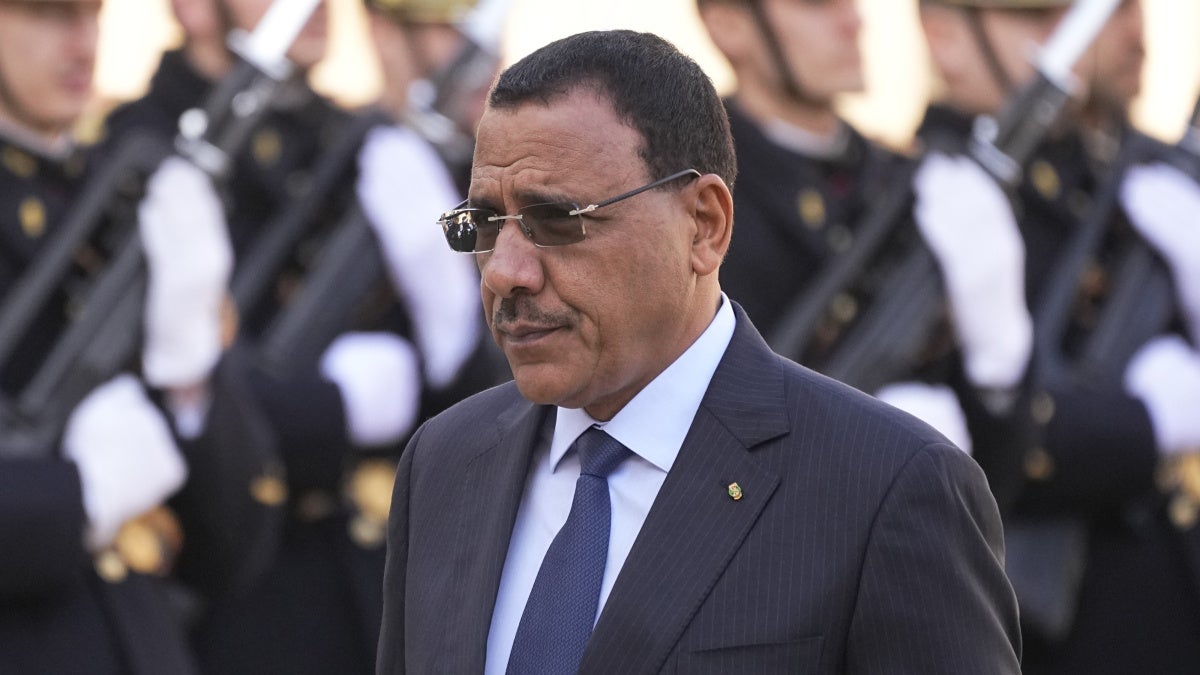
Niamey — The arbitrary detention of former Niger President Mohamed Bazoum has entered its second year, with global human rights organizations and international bodies intensifying pressure on the ruling military junta to release him immediately. The Nigerien authorities, led by General Abdourahamane Tiani of the self-proclaimed National Council for the Safeguard of the Homeland (Conseil national pour la sauvegarde de la patrie, CNSP), continue to hold Bazoum and his wife, Hadiza Bazoum, incommunicado at the presidential palace in the capital.
Since the July 26, 2023 coup that ousted Bazoum’s democratically elected government, the former president and his spouse have been denied contact with family members or legal representation. The junta further escalated its actions in 2024 by lifting Bazoum’s presidential immunity, paving the way for politically motivated prosecutions on charges of “high treason” and “endangering national security.”
international condemnation grows
The United Nations Working Group on Arbitrary Detention recently joined a chorus of voices demanding Bazoum’s immediate release, declaring his detention a violation of international human rights law. This follows a landmark 2023 ruling by the ECOWAS Court of Justice, which also found his detention unlawful and ordered his unconditional release. Despite these rulings, the junta has yet to comply, with Bazoum now facing trial on charges that lack credible evidence and procedural fairness.
Human rights advocates emphasize that Bazoum’s prolonged detention—now approaching two years—undermines Niger’s democratic trajectory and sends a troubling signal across the Sahel region. The junta’s suppression of political opposition, peaceful dissent, and independent media further underscores its disregard for constitutional governance and human rights norms.
a trial without justice
In April 2024, Niger’s judicial system initiated proceedings to strip Bazoum of his immunity, culminating in a June ruling that disregarded international fair trial standards. The charges, including “high treason”, remain unproven, with no trial date set. Legal experts and advocacy groups argue that the junta’s actions are designed to eliminate political rivals rather than uphold justice.
Reed Brody, a member of the legal team representing Bazoum, condemned the detention as “cruel and illegal,” noting that Bazoum remains isolated from his supporters, legal counsel, and even his own children. The junta’s refusal to adhere to multiple international rulings has drawn sharp criticism from global leaders and regional bodies alike.
a region at risk
Analysts warn that the junta’s prolonged grip on power—marked by delayed elections and the erosion of democratic institutions—threatens to destabilize Niger and the broader Sahel. The recent withdrawal of Niger, Burkina Faso, and Mali from ECOWAS has further weakened regional cooperation and accountability mechanisms, leaving Bazoum’s fate in legal limbo.
Ilaria Allegrozzi, a senior Sahel researcher, stressed that every day Bazoum remains detained pushes Niger further from democratic recovery. “The junta’s actions not only violate human rights but also undermine the very foundations of justice and rule of law that the international community strives to uphold,” she stated.
As international pressure mounts, the fate of Mohamed Bazoum remains a critical test for Niger’s future—and a stark reminder of the human cost of unchecked military rule.