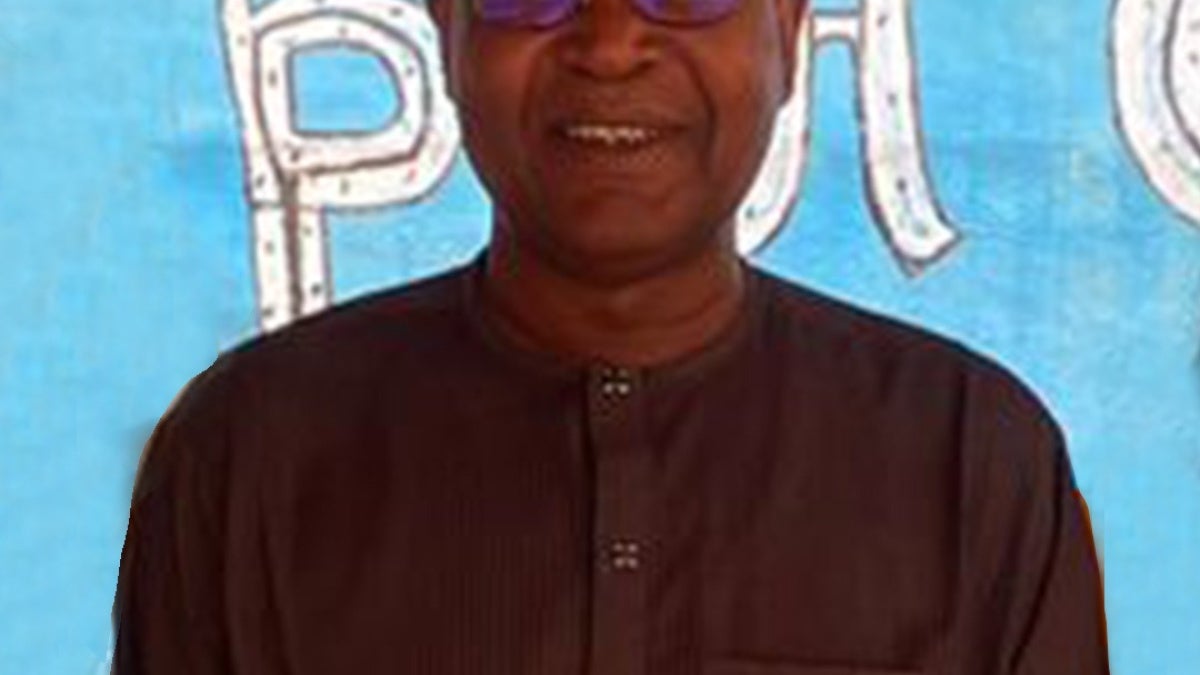
Leading human rights organizations, including Amnesty International, Human Rights Watch, the International Federation for Human Rights (FIDH), and the World Organisation Against Torture (OMCT) through the Observatory for the Protection of Human Rights Defenders, are urgently calling on Nigerien authorities to immediately release civil society activist and human rights defender Moussa Tiangari. They emphasize the need to end the practice of employing terrorism charges to suppress critical voices.
On December 3, 2024, individuals identifying as police officers apprehended Moussa Tiangari at his Niamey residence, the capital of Niger. A month later, on January 3, 2025, the Niamey High Court formally charged him with severe offenses, including “criminal association in connection with a terrorist enterprise,” “undermining national defense,” and “conspiracy against state authority in collaboration with enemy powers.” A conviction for conspiracy with hostile foreign entities could lead to the death penalty.
Following his indictment, Tiangari was transferred to Filingué prison, located 170 kilometers from Niamey, where he remains in arbitrary pre-trial detention. Despite the serious nature of the accusations, he has yet to face a judge regarding the merits of these charges.
Marceau Sivieude, interim regional director for West and Central Africa at Amnesty International, asserted, “Moussa Tiangari’s detention stems solely from his exercise of fundamental human rights. We urgently call upon the authorities for his immediate release and the dismissal of all charges. The deployment of such accusations to silence government critics is a source of profound concern.”
Just three weeks prior to his arrest, on November 12, 2024, Moussa Tiangari publicly criticized the Nigerien Interior Minister’s decision to revoke the licenses of two humanitarian non-governmental organizations via social media. He had also voiced strong opposition to the establishment of a database for individuals and groups linked to terrorism, a measure he argued infringed upon the human rights of Niger’s populace. Due to the terrorism allegations, he faces the potential loss of his Nigerien nationality, based on an August 2024 decree that created this database for individuals and groups associated with terrorism and national defense offenses.
Under Niger’s penal code, terrorism-related charges can lead to up to four years of non-renewable pre-trial detention. However, Amnesty International, Human Rights Watch, FIDH, and OMCT have reviewed the charges against Tiangari and assert that none correspond to internationally recognized offenses. Instead, they appear to be directly linked to his legitimate exercise of freedom of expression.
Drissa Traoré, Secretary General of the FIDH, commented, “Moussa Tiangari’s arrest is indicative of a broader pattern of repression by Nigerien authorities, who consistently target and subject public critics to judicial harassment in an effort to silence them.”
Ilaria Allegrozzi, Senior Sahel Researcher at Human Rights Watch, stated, “His apprehension and ongoing detention send a chilling message to anyone daring to challenge the Nigerien regime’s drift towards autocracy.”
Isidore Ngueuleu, Head of the Africa Regional Office at OMCT, remarked, “Moussa Tiangari’s arrest is a serious and counterproductive misstep. For decades, he has symbolized the Nigerien people’s aspirations for democracy, security, resource sovereignty, and independence. A government truly respecting the will of its people would ensure his release.”
Context
Moussa Tiangari, aged 55, serves as the Secretary General of Alternatives Espaces Citoyens (AEC), a prominent civil society organization. On December 3, 2024, around 7:30 PM, at least three armed plainclothes individuals detained him at his Niamey home, confiscating his phone, laptop, and luggage. For two days, his whereabouts and status remained unknown.
He was eventually located on December 5, 2024, at the Central Service for Combating Terrorism and Transnational Organized Crime in Niamey.
In March and May 2025, Nigerien courts dismissed motions filed by Moussa Tiangari’s legal team, which sought to nullify the case and remove the specialized judicial chamber for combating terrorism and transnational organized crime. His lawyers have since appealed these rejections.
Amnesty International, Human Rights Watch, FIDH, and OMCT have consistently demanded Moussa Tiangari’s immediate and unconditional release. Amnesty International members have also actively campaigned on his behalf.
A joint press statement issued in July 2024 by Amnesty International, Human Rights Watch, and FIDH highlighted deep concerns and condemned the repression by Niger’s military authorities against opposition figures, media outlets, and peaceful dissent since their seizure of power following the July 2023 coup d’état.
Furthermore, a March 2025 report by Amnesty International documented the ongoing suppression targeting former government officials and critical voices in the aftermath of the coup.