Niger battles dual health crisis: poliomyelitis and COVID-19 surge
While battling a COVID-19 surge, Niger faces a resurgence of poliomyelitis, with two confirmed cases in Niamey and Tillaberi regions.
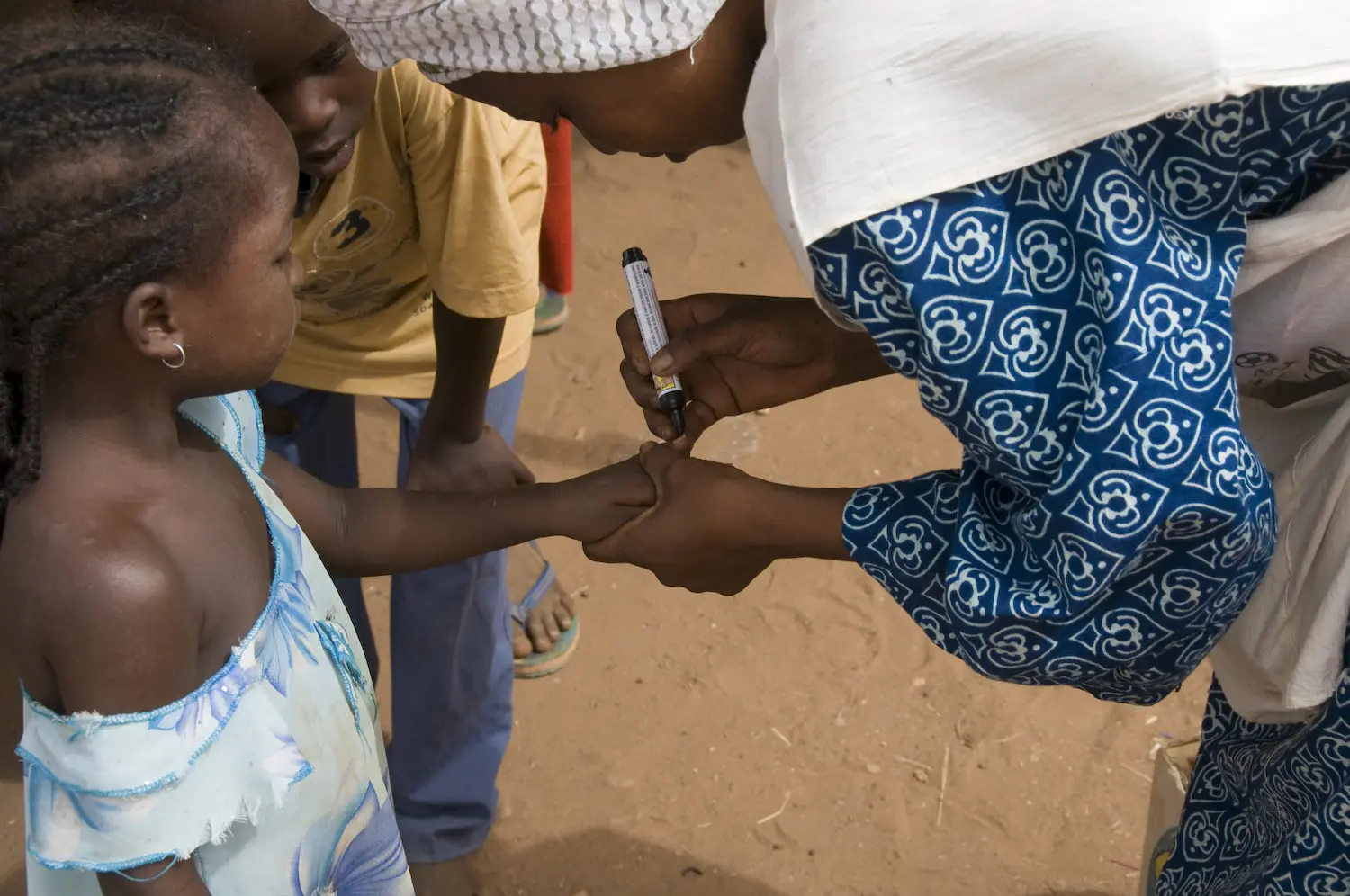
The Niger health authorities are navigating an unprecedented health challenge as two distinct viral threats collide. While COVID-19 continues its spread through respiratory transmission, the re-emergence of poliomyelitis presents a different transmission pathway. Polio spreads primarily through contaminated water sources, undercooked food, or poor hygiene practices, making it particularly challenging to contain in regions with limited sanitation infrastructure.
The clinical overlap between these diseases—both presenting with fever, headaches, and cough—complicates early detection and response efforts. This dual epidemic scenario places additional strain on an already stretched healthcare system.
Dr. Pascal Mkanda, Coordinator of the World Health Organization’s Polio Eradication Programme in the African Region, highlights the critical situation: “The Niger successfully concluded previous polio outbreaks through comprehensive mass vaccination campaigns in 2019. However, these efforts have been suspended due to COVID-19 protocols requiring social distancing and enhanced hand hygiene measures, which make large-scale vaccination impossible at this time.“
New poliovirus strain emerges in West Africa
The recent cases in Niamey and Tillaberi mark a concerning development. While Niger, Kenya, and Mozambique announced the end of their previous polio outbreaks in December after 24 months of transmission, this new outbreak represents a different strain—circulating vaccine-derived poliovirus. Health officials confirm these cases are unrelated to the outbreaks that ended last year.
Growing list of African nations battling vaccine-derived polio
Niger now joins 14 other African nations reporting vaccine-derived polio outbreaks, bringing the total to 15 countries affected. This list includes:
- Angola
- Benin
- Burkina Faso
- Cameroon
- Central African Republic
- Chad
- Côte d’Ivoire
- Democratic Republic of Congo
- Ethiopia
- Ghana
- Mali
- Nigeria
- Togo
- Zambia
The challenges in these countries stem from low routine vaccination coverage, vaccine hesitancy, difficult access to remote areas, and suboptimal quality of previous vaccination campaigns. These factors have created gaps in herd immunity, allowing the virus to circulate and mutate into vaccine-derived forms.
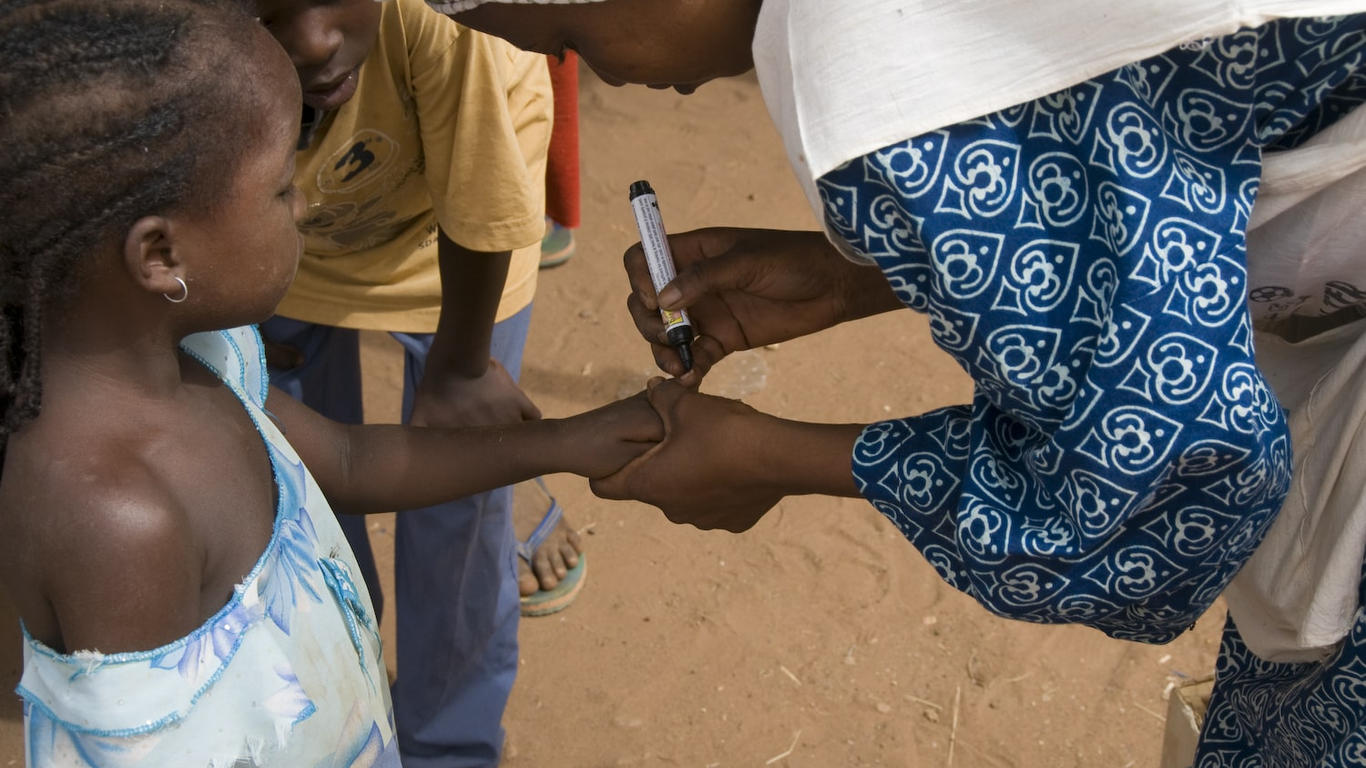
Despite the suspension of mass vaccination activities in the region, the WHO’s African Polio Eradication Programme continues essential surveillance functions. There is no cure for polio, but the disease is preventable through vaccination. Current efforts across Africa—including in Niger—focus on rapidly boosting children’s immunity levels to protect them from polio-induced paralysis.