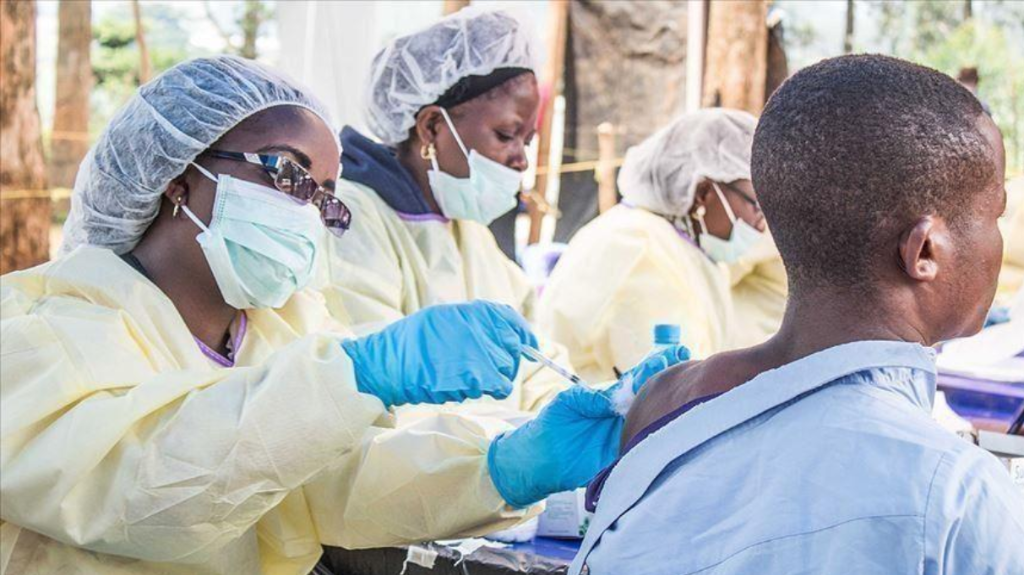
Nigerian authorities report first imported Ebola case in Abuja
The Nigeria Centre for Disease Control (NCDC) has confirmed the country’s first imported Ebola virus disease case in Abuja, marking a critical development in the ongoing regional health crisis. The patient, a woman who recently traveled from East Africa, was placed in isolation and is receiving medical care as contact tracing operations begin immediately.
Health Minister Muhammad Ali Pate announced the confirmed case on October 20, 2026, following laboratory results that identified the Bundibugyo virus—a distinct strain from the one responsible for the 2014–2016 West African epidemic. She developed symptoms on October 7, sought private medical attention in Abuja on October 11, and was confirmed positive nine days later. Health authorities have since traced 44 individuals with potential exposure, all of whom are now under close monitoring.
This marks Nigeria as the fifth African country to detect the virus since the outbreak began in the Democratic Republic of the Congo (DRC) on May 15, 2026. While the DRC remains the epicenter, cases have also been recorded in Kenya, where nine infections have been confirmed as of October 20. The rapid geographic expansion has heightened concerns about transboundary spread and the effectiveness of regional surveillance systems.
Regional spread raises alarms across West Africa
The emergence of Ebola in Nigeria comes as governments and health agencies re-evaluate preparedness across the region. The 2014–2016 West African Ebola epidemic—one of the deadliest in history—claimed over 11,000 lives across Guinea, Liberia, and Sierra Leone, with Nigeria managing to contain its outbreak within weeks through rapid contact tracing and public health interventions.
However, officials emphasize that this is not a repeat of the past. The Bundibugyo strain behaves differently, and the current outbreak has already demonstrated higher mobility. The infected Nigerian patient reportedly traveled through Uganda after a professional trip to eastern DRC, though Kampala has stated that no transmission occurred in the country. Authorities are now reconstructing her itinerary to determine where exposure likely occurred.
- Rapid detection key: With international travel enabling swift cross-border movement, early identification of cases has become essential to preventing wider outbreaks.
- Coordinated response required: Nigeria’s response involves the NCDC, Africa CDC, WHO, and local health services—highlighting the need for seamless collaboration.
- Healthcare worker protection: Preventing nosocomial transmission remains a top priority as frontline workers face the highest risk of exposure.
Ebola transmission: understanding the risks
Ebola virus disease is not airborne—it spreads only through direct contact with bodily fluids from an infected person or contaminated materials. Common symptoms include high fever, severe fatigue, muscle pain, vomiting, and diarrhea, which can progress to internal bleeding in critical cases. The virus has a high fatality rate, making rapid isolation and treatment vital to patient survival.
Public health experts stress the importance of accurate public communication. Misleading information, panic, or delayed reporting can hinder outbreak control. Individuals with symptoms and a history of travel to affected regions are urged to seek medical attention immediately rather than attempting self-treatment.
What happens next in Nigeria
While a single confirmed case does not indicate a full-blown outbreak, the situation demands urgent action. The NCDC and partners are prioritizing:
- Contact tracing and quarantine: The 44 identified contacts are being monitored daily, with quarantine measures in place where necessary.
- Enhanced screening: Border and airport health checks have been reinforced to detect travelers with potential exposure or symptoms.
- Healthcare system readiness: Isolation units, protective equipment, and training for medical staff are being scaled up across Abuja and neighboring states.
Public health officials have urged calm, noting that Nigeria’s experience in 2014–2016—during which it contained the virus within months—positions it well to respond effectively. Yet, the stakes remain high: containing a single imported case could determine whether Africa avoids another devastating regional epidemic.
Timeline of events in Nigeria’s Ebola response
- October 7, 2026: Patient develops symptoms.
- October 11, 2026: Seeks private medical care in Abuja.
- October 20, 2026: Laboratory confirmation of Ebola virus disease (Bundibugyo strain).
- October 21, 2026: Patient isolated; 44 contacts identified and monitored.
Lessons from history and the path forward
The 2014–2016 Ebola outbreak left an indelible mark on West Africa, reshaping public health infrastructure and regional cooperation. Nigeria’s prompt containment at the time demonstrated the power of coordinated surveillance and community engagement. Yet, the emergence of a new strain underscores the need for perpetual vigilance.
As Africa faces the dual challenge of managing a regional health emergency and preventing panic, clear messaging and robust healthcare systems will be non-negotiable. For Nigeria, the immediate task is containment; for the continent, it is resilience. The actions taken in the coming days could shape the trajectory of this outbreak—and Africa’s readiness for future threats.