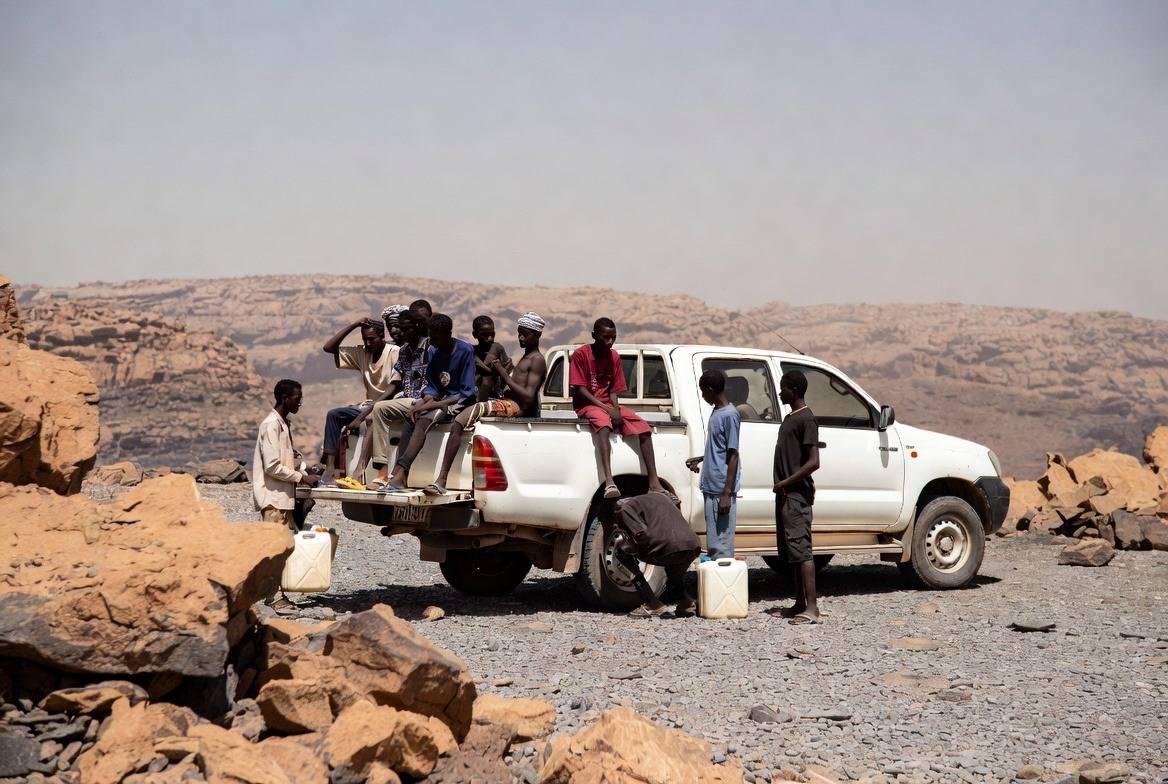
Stretching across northern Niger, the vast Ténéré desert has become a corridor of suffering for those fleeing hardship. While international attention often turns to the Mediterranean, the Sahara crossing claims hundreds of lives each year away from public view.
In 2025, at least 35 migrants perished in the Nigerien desert, according to humanitarian organisations monitoring migration routes. Activists on the ground consider this figure a drastic undercount, as the region’s sheer size makes accurate tallies nearly impossible.
A deadly route
For West Africans—from Mali, Guinea, Senegal, and Burkina Faso—the city of Agadez is the last urban stop before they venture into the Ténéré, aiming for Libya or Algeria and eventually Europe.
The causes of death remain tragically consistent each year:
- Mechanical breakdowns: Overloaded, poorly maintained pickups often break down in remote areas with no help in sight.
- Abandonment by smugglers: Fearing military patrols, some smugglers leave migrants stranded in the desert to escape detection.
- Extreme conditions: Without landmarks and under temperatures approaching 50°C, severe dehydration and exhaustion can kill within hours.
“The desert is unforgiving. When a vehicle breaks down and water runs out, life expectancy is measured in hours. Many bodies are buried by the wind before anyone can raise the alarm,” said a local activist speaking on condition of anonymity.
The unintended consequences of security policies
Human rights groups argue that the criminalisation of migration routes directly fuels this silent tragedy. Although the junta in Niamey repealed a 2015 law that criminalised migrant smuggling in late 2023, the routes remained clandestine and increasingly dangerous. To avoid areas patrolled by Nigerien security forces, smugglers now use remote detours that dramatically increase the risk of getting lost.
A civil society alert
Organisations like Alarme Phone Sahara work to document these deaths and issue alerts through local lookout networks. However, limited resources and restricted access to certain military zones severely hinder rescue efforts.
As long as the root causes of migration persist and legal pathways remain closed, the sands of Niger will continue to hide the human cost of the search for a better life. For families left without news, the Nigerien desert remains an open wound—a place where loved ones vanish without a trace.