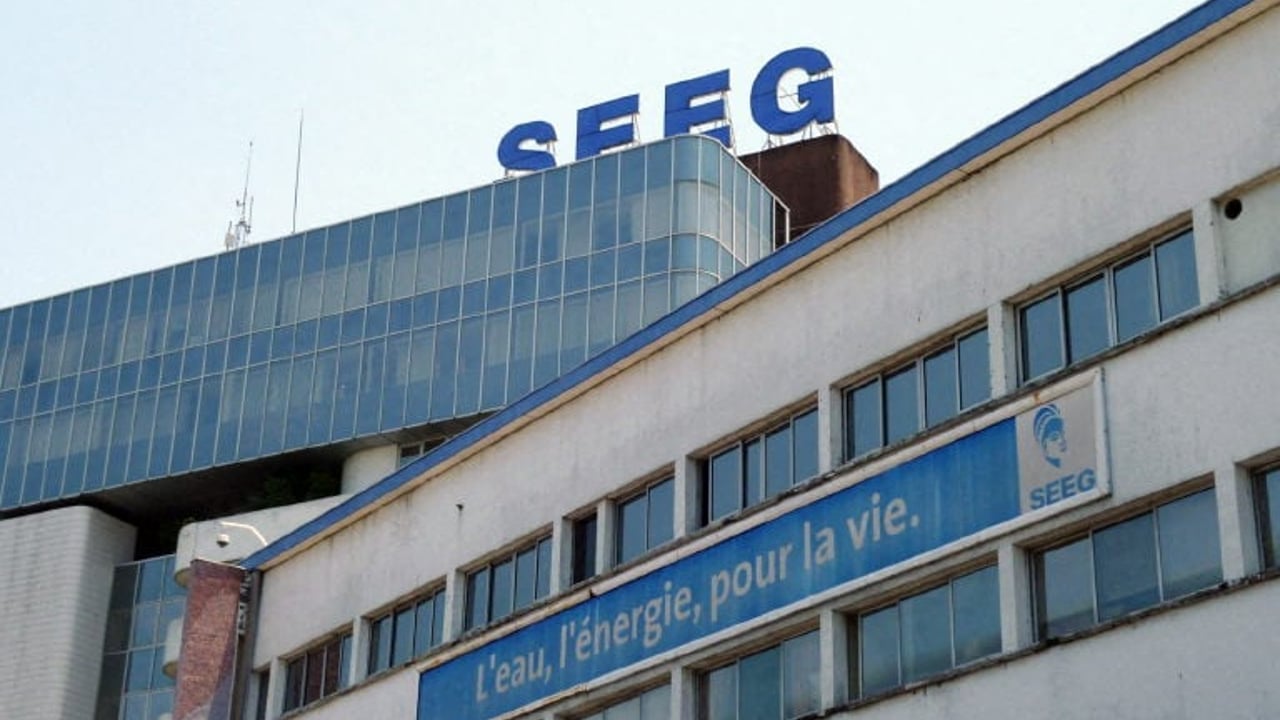
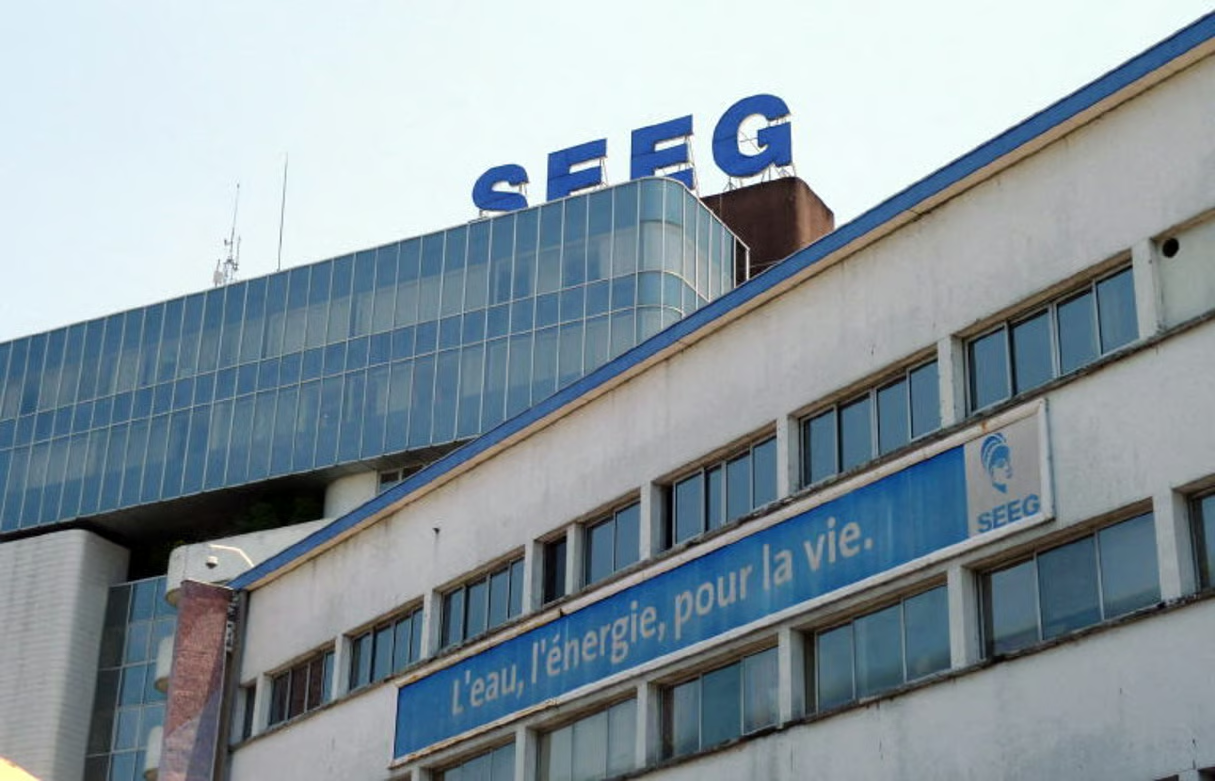
The Gabonese energy landscape is undergoing significant transformation under the leadership of transitional President Brice Clotaire Oligui Nguema. A bold restructuring initiative has been launched at the Société d’énergie et d’eau du Gabon (SEEG), the nation’s primary electricity and water utility provider. The move signals a new era of modernization and efficiency for the country’s critical infrastructure sector.
The reform initiative targets operational improvements across SEEG’s network. Key priorities include enhancing service reliability, reducing losses in distribution, and accelerating investment in renewable energy sources. These measures aim to address long-standing challenges such as inconsistent power supply and aging infrastructure, which have hampered both economic growth and public welfare.
Strategic goals behind the SEEG overhaul
The restructuring plan is built on several strategic pillars designed to revitalize the national utility company:
- Infrastructure renewal: Major investments are being directed toward upgrading transmission and distribution networks to minimize energy losses and improve service delivery.
- Energy diversification: A phased transition toward cleaner energy sources is being implemented, with solar and hydroelectric projects taking center stage in the national energy mix.
- Operational transparency: New governance frameworks are being introduced to enhance accountability and reduce inefficiencies in resource management.
- Customer-centric services: Modernization efforts include digital billing systems and customer service platforms to improve user experience.
Immediate impact on Gabon’s energy sector
The restructuring initiative is expected to yield rapid improvements in service quality. Early assessments indicate a reduction in power outages and a more stable supply across Libreville and other major urban centers. The initiative also aligns with broader national objectives to achieve energy self-sufficiency and reduce reliance on imported fuel.
Industry analysts anticipate that these reforms will attract private investment and foster public-private partnerships, further accelerating the modernization of Gabon’s energy infrastructure. The long-term vision includes positioning the country as a regional leader in sustainable energy production.
Challenges and opportunities ahead
While the restructuring presents significant opportunities, it also comes with challenges. The scale of investment required for full modernization is substantial, and execution will demand careful planning and coordination among government agencies, international partners, and local stakeholders. Additionally, balancing short-term operational improvements with long-term strategic goals will be crucial to sustaining momentum.
The reform also underscores the broader commitment of Gabon’s transitional leadership to economic diversification and institutional renewal. By prioritizing the energy sector, the government is laying the groundwork for broader social and economic development across the country.
As these changes take shape, stakeholders across the energy value chain—from policymakers to consumers—will play a pivotal role in shaping the future of Gabon’s utility landscape. The success of this initiative could serve as a model for similar reforms in neighboring countries grappling with comparable infrastructure challenges.