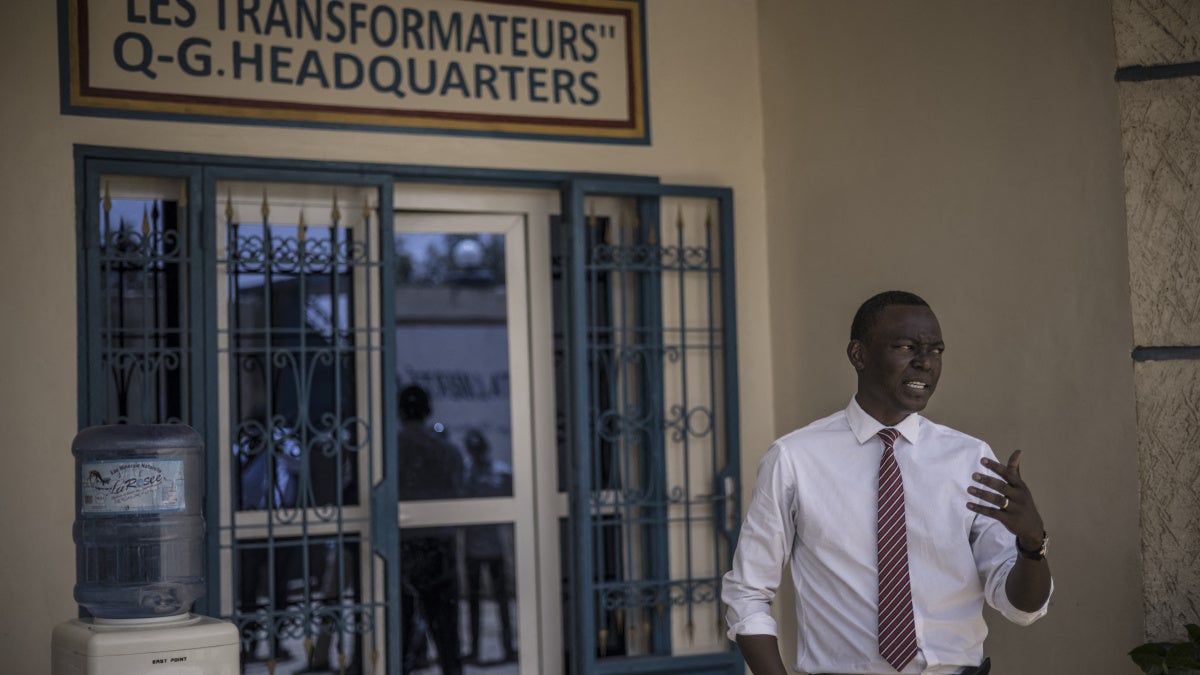
Exactly one year ago, Chad’s government took decisive action against Succès Masra, a prominent opposition leader and former Prime Minister, by detaining and subsequently sentencing him on politically motivated charges. His ongoing imprisonment highlights the widening gap between N’Djamena’s authorities and the fundamental freedoms of civil society.
a high-profile arrest and controversial trial
The arrest occurred in the early hours of 16 May 2025 at Masra’s residence in N’Djamena. Officials accused him of inciting hatred and rebellion through social media posts published after deadly intercommunal clashes in Logone Occidental Province on 14 May, which resulted in multiple fatalities. In a public statement following the violence, Masra emphasized that ‘no Chadian life should be treated as insignificant.’
By August 2025, a Chadian court had delivered a verdict of 20 years in prison, finding him guilty of ‘disseminating hateful and xenophobic content’ and ‘complicity in murder.’ Despite his plea of innocence, the sentence was handed down alongside those of dozens of co-defendants, most receiving identical penalties. Financial penalties were also imposed on all convicted individuals.
Immediately after the ruling, Masra’s legal team filed an appeal, which remains pending before the Supreme Court.
escalating repression in a tense political climate
While clashes between farming and herding communities have long plagued southern Chad, Masra’s arrest signals a broader crackdown on political opposition. Ahead of the May 2024 presidential election—where he ran against then-transition President Mahamat Idriss Déby—Masra and his supporters faced harassment, arbitrary arrests, and even assassination attempts. One leading opposition figure was killed in the lead-up to the vote, with no subsequent judicial investigation.
Following the election, Masra publicly alleged electoral fraud, further straining relations with the authorities.
Security forces have repeatedly responded to protests with excessive force. Since 2021, crackdowns on demonstrators have left dozens dead and injured, while hundreds have been detained without due process. Some detainees reported mistreatment during custody. On 8 May 2026, eight opposition leaders were sentenced to eight years in prison for ‘rebellion’ and ‘insurrectional movement’ after attempting to organize a banned pro-democracy rally.
As Succès Masra marks his first year behind bars, the Supreme Court is set to review his appeal. Regional bodies, including the Economic Community of Central African States (ECCAS), must now take a firmer stance to uphold democratic principles in Chad. Pressure on N’Djamena’s government is essential to restore political rights and honor prior agreements—such as the Kinshasa Accord—which were designed to safeguard opposition activity, including that of Masra’s party.