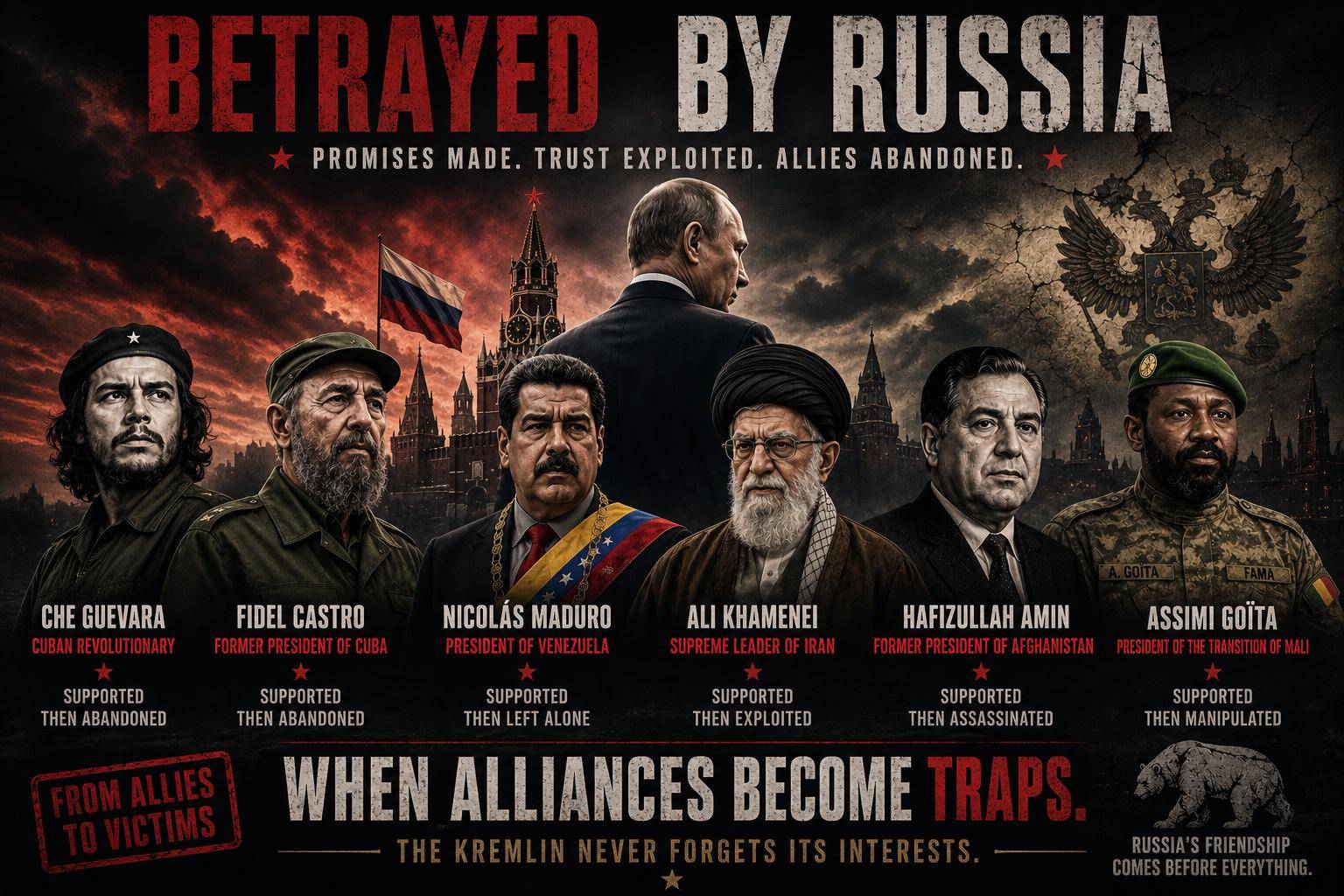
When Moscow’s Partners Struggle, the Kremlin Chooses Strategic Silence
Across the globe, Russia’s closest allies face mounting crises—military setbacks, political unrest, or public uprisings. Yet one response from Moscow remains strikingly consistent: an unnervingly quiet silence. Far from the image of an unwavering protector rushing to shield its partners, the Kremlin has adopted a policy of deliberate muteness whenever its allies encounter turbulence. Let’s break down this calculated approach to international diplomacy.
Silence as a Diplomatic Shield
This isn’t a sign of weakness or indecision. Instead, it’s a carefully crafted strategy designed to preserve Russia’s own interests. When an ally falters—whether due to military losses, internal instability, or mass protests—the Russian Ministry of Foreign Affairs responds with an almost eerie lack of reaction. No fiery statements, no urgent calls for solidarity, no sudden military gestures. Just silence.
For international relations analysts, this isn’t a coincidence. It’s a form of wait-and-see diplomacy, where Moscow prioritizes flexibility over loyalty. By staying quiet, the Kremlin avoids tying its reputation to a sinking ship. If the ally manages to recover, Russia can resume its support without losing face. But if the regime collapses, the initial silence ensures Moscow isn’t dragged down with it—and can quietly negotiate with the new leadership.
A Subtle Message of Disapproval
This silence isn’t just an absence of words—it’s a form of communication. While Western governments often issue public condemnations or appeals for restraint, Russia expresses disapproval through omission. When an ally crosses a red line, mismanages a crisis, or pursues a reckless path without Moscow’s backing, the absence of a Russian response speaks volumes.
It’s a way of telling the struggling nation: ‘You’re on your own.’ No public scolding, no dramatic break in relations—just a quiet signal that the alliance has limits. This approach allows Russia to distance itself from failures while avoiding the appearance of internal discord.
Alliances Built on Pure Strategy, Not Loyalty
The Kremlin’s approach reveals the true nature of its partnerships: purely transactional. Russia doesn’t offer support out of solidarity. It intervenes only when its own strategic interests are directly threatened. If the crisis affects only its ally’s survival and not Russia’s security, Moscow stays silent to conserve political capital.
While official diplomacy remains muted, pro-Russian media and influence networks ramp up their messaging. State-controlled outlets flood the information space with alternative narratives, often blaming unseen Western forces for the chaos. This creates a smokescreen, allowing the Kremlin to observe from the sidelines without committing.
The Hard Truth for Russia’s Partners
Recent diplomatic history shows a clear pattern: Russia’s support shines brightest in times of peace and victory. But when the storm hits, Moscow retreats behind a wall of silence. For its allies, this is a stark reminder of geopolitical reality—in times of crisis, you’re often alone.