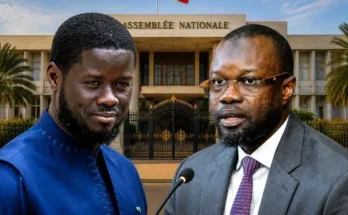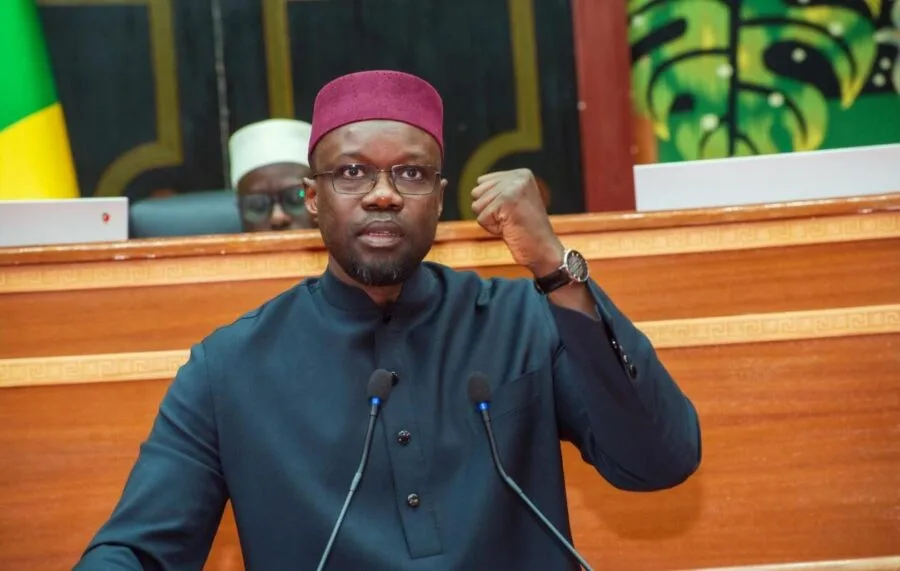
On Friday, May 22, 2026, Prime Minister Ousmane Sonko is set to appear before lawmakers in Dakar’s National Assembly for the high-stakes Questions d’Actualité session. The event, confirmed by parliamentary president El Malick Ndiaye, will pit the government against opposition forces in a political showdown that goes far beyond routine oversight.
The Prime Minister’s appearance comes at a critical juncture for Senegal’s political landscape. While the official agenda includes pressing economic and social concerns—rising living costs, youth employment, infrastructure gaps, agricultural challenges, and budget priorities—the real battleground will be ideological. Reform initiatives, institutional changes, and the controversial electoral code top the list of contentious issues.
Political flashpoints dominating the debate
The electoral code reform, in particular, has become a lightning rod for criticism. Opposition factions argue that recent amendments are designed to consolidate power for the ruling coalition, with some going so far as to label the changes a “custom-tailored” law for President Bassirou Diomaye Faye’s Pastef party. Sonko will face intense scrutiny over these claims and must clarify the government’s position on electoral integrity.
Beyond the electoral framework, institutional reforms announced by the administration are also under fire. While the government frames these measures as essential to modernizing governance and strengthening democracy, opposition voices warn that they could undermine democratic checks and balances. The Prime Minister’s responses to these concerns will shape public perception of his leadership ahead of critical upcoming elections.
Balancing governance and party politics
The session also presents an opportunity for Sonko to address recent public statements by President Faye, which have fueled speculation about internal party dynamics and executive authority. Rumors of a rift between Sonko and the Head of State have circulated for months, and this appearance could be his chance to dispel doubts about his future in government once and for all.
With local elections looming and the 2029 presidential race on the horizon, the stakes couldn’t be higher. The Prime Minister’s performance in the Assembly may serve as a litmus test for both his political resilience and the government’s ability to navigate Senegal’s complex socio-economic challenges.
Public expectations and economic realities
For ordinary citizens, the session offers a rare moment of accountability. Beyond the political maneuvering, families across Senegal will be watching closely for concrete solutions to rising prices, job scarcity, and economic instability. The government’s ability to articulate viable responses—especially amid regional instability and global economic headwinds—will be closely scrutinized.
Since assuming office in April 2024, Sonko has participated in multiple Assembly sessions, but this one arrives in a markedly different context. The initial transition phase is over; the focus now is on results. Deputies will seek clarity on the execution of campaign promises, the timeline for reforms, and the broader vision guiding Senegal’s development path.
In essence, Friday’s session will be less about procedural oversight and more about political theater. With the opposition poised to challenge every reform and the public demanding tangible outcomes, Ousmane Sonko’s performance could redefine the trajectory of his premiership—and Senegal’s political future.