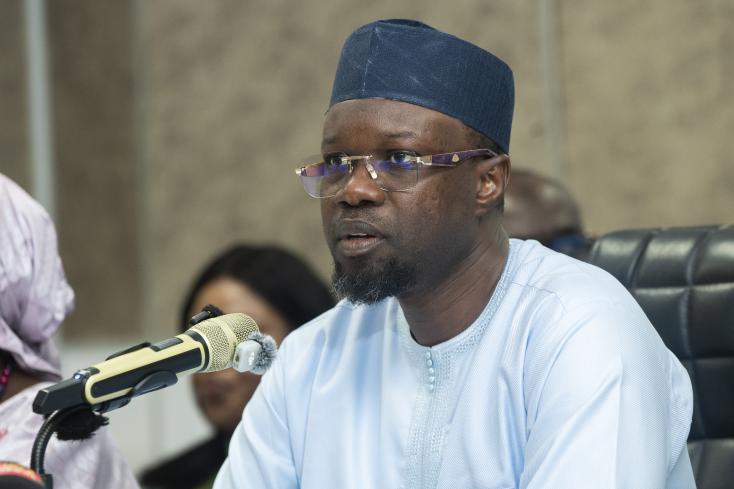
Senegal’s political landscape is facing a pivotal moment as opposition leader Ousmane Sonko, head of the Pastef party, has openly declared his party’s capacity to initiate a vote of no confidence against the current administration. During a press briefing, Sonko emphasized that his party holds a commanding majority in the National Assembly, setting the stage for a potential shift in governance.
The announcement has triggered widespread discussions about the future of Senegal’s political stability and the delicate balance of power within its legislative body. With Sonko’s bold statement, citizens and analysts alike are closely monitoring the evolving dynamics that could reshape the nation’s political trajectory.
How a no-confidence vote could unfold in Senegal
For a motion of censure to succeed in Senegal’s National Assembly, it requires more than just a numerical majority—it demands strategic alignment, unwavering party discipline, and the ability to sway independent legislators. Sonko’s party, Pastef, appears poised to meet these criteria, given its growing influence and grassroots support.
Key factors that could determine the outcome include:
- Party cohesion: Ensuring all members of Pastef and allied factions remain united behind the initiative.
- Cross-party negotiations: Securing the backing of at least a portion of opposition or independent lawmakers to reach the required threshold.
- Public sentiment: Leveraging widespread dissatisfaction with current policies to bolster legislative support.
- Constitutional procedures: Adhering strictly to parliamentary rules to avoid procedural delays or legal challenges.
Implications for Senegal’s political future
The prospect of a government collapse through a no-confidence vote carries significant consequences. If successful, it could lead to a reshuffling of power, new elections, or even a prolonged period of political uncertainty. Conversely, a failed attempt might weaken Sonko’s position while reinforcing the incumbent administration’s grip on power.
Observers are weighing the potential ripple effects on Senegal’s economy, security, and international relations. A sudden change in leadership could disrupt ongoing reforms or trigger a shift in diplomatic alliances, particularly with neighboring West African nations.
What comes next for Ousmane Sonko and Pastef
Sonko’s declaration signals a proactive stance, positioning his party as a formidable force in Senegalese politics. The coming weeks will be critical as Pastef mobilizes support, refines its strategy, and prepares for any counter-moves by the government.
Whether this bold move translates into tangible political change remains uncertain, but one thing is clear: the stakes have never been higher for Senegal’s democracy and its leaders.