Paul Biya’s absence fuels power vacuum concerns in Cameroon
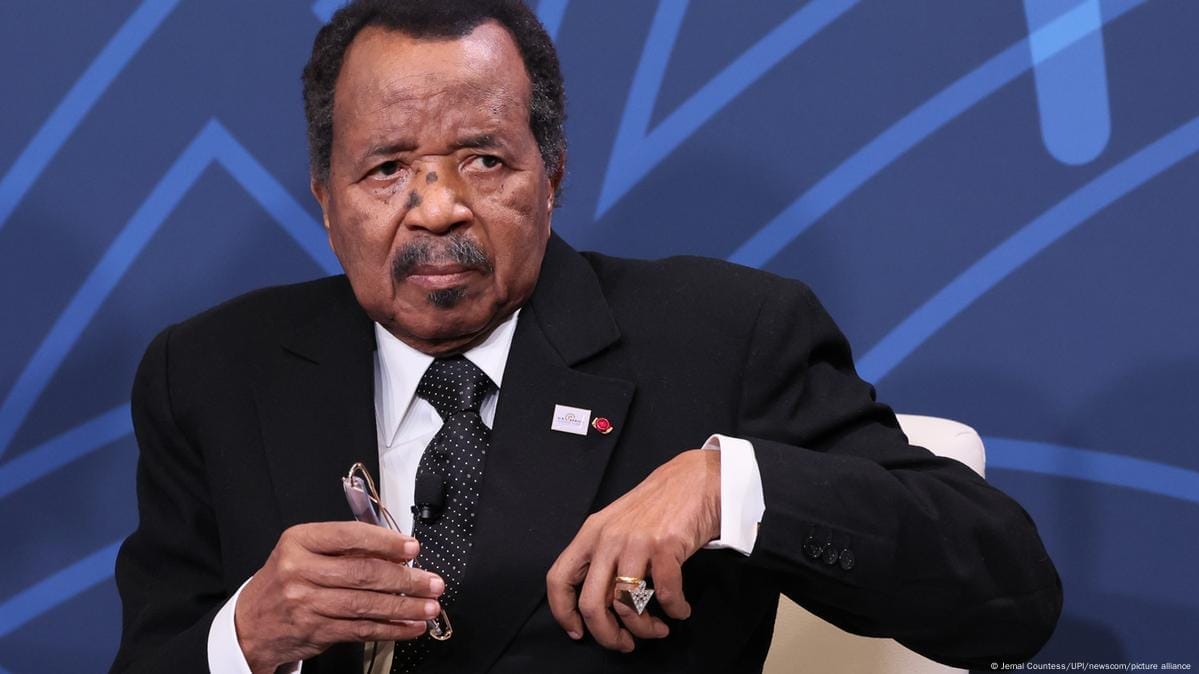
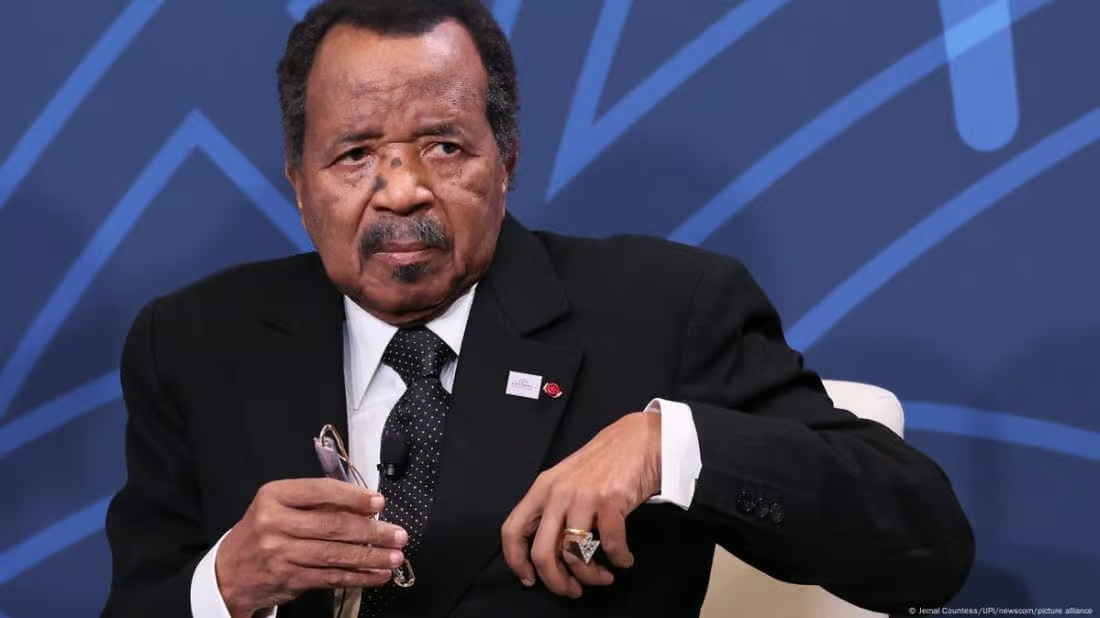 Paul Biya, Cameroon’s longest-serving president © Jemal Countess/UPI/newscom/picture alliance
The prolonged absence of Cameroon’s president Paul Biya has become the center of heated public discussions across the country. Departing on June 7, 2026, for what was officially described as a brief private stay in Europe with his wife, the 93-year-old head of state has yet to return after 44 days abroad.
This unexplained absence has fueled widespread speculation about his health status, with rumors spreading rapidly through both traditional media and social networks.
Government attempts to ease concerns
In response to growing unease, the ruling Rassemblement démocratique du peuple camerounais (RDPC) has launched a communication campaign to reassure the public. An editorial published on July 15 in L’Action, the party’s official newspaper, featured a statement from Christophe Mien Zok, the party’s propaganda director, affirming that all state institutions are operating normally.
“The power structure remains intact. The Lion has not left the field,” he declared, dismissing suggestions that the country is being governed remotely or running on autopilot.
Meanwhile, official presidential channels have continued releasing messages sent by Biya congratulating foreign leaders, including French president Emmanuel Macron on Bastille Day and the president of Montenegro. However, no public appearances or detailed updates about the president’s activities have been disclosed.
Opposition demands transparency
The situation has prompted opposition figures to escalate their calls for clarity. Deputy Jean-Michel Nintcheu has formally petitioned the Constitutional Council to examine whether the president’s prolonged absence constitutes a power vacuum.
The Union démocratique du Cameroun (UDC) has also weighed in, stating that while it does not wish to speculate about the president’s personal situation, the lack of official information raises serious questions about institutional stability. The party emphasizes that while an extended foreign stay doesn’t automatically equate to presidential vacancy, it does highlight concerns about the continuity of governance and the proper exercise of presidential authority.
Constitutional gaps exposed
Legal experts point out that once the absence surpasses 45 days, the Constitutional Council could be compelled to assess the situation. However, Cameroonian law currently contains no specific limit on how long a president may remain outside the country.
The UDC also draws attention to another institutional weakness: the absence of a designated vice president since the constitutional revision of April 2026. This gap, according to the party, underscores the urgent need for legal reforms to establish clear procedures for managing prolonged presidential absences and preventing institutional uncertainty.
As Biya’s absence continues to stretch beyond initial expectations, the debate intensifies between government assurances of normalcy and opposition demands for greater transparency and a more robust legal framework to handle such exceptional circumstances.