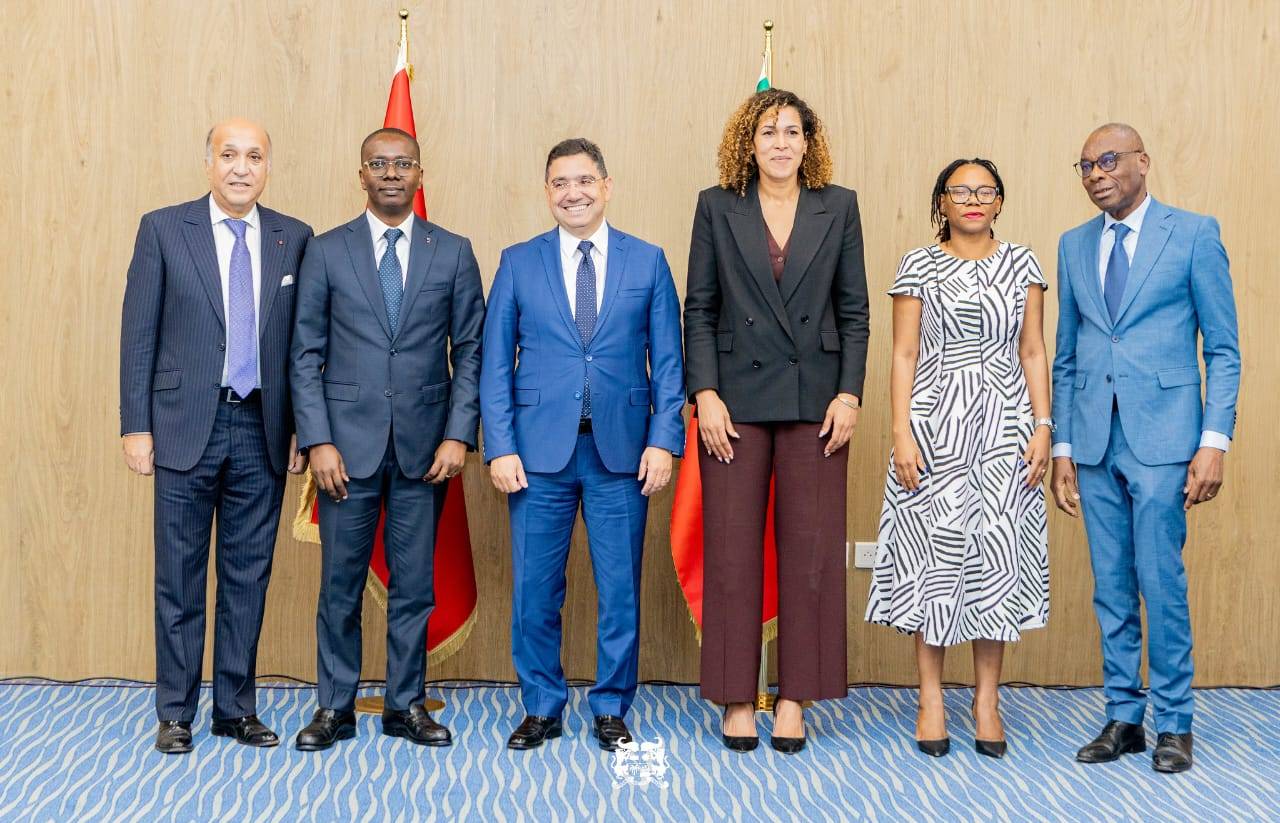
In a landmark gathering that underscored the depth of bilateral relations, the Bénin and Morocco wrapped up their 7th Joint Cooperation Commission in Cotonou, signing 14 groundbreaking agreements aimed at reshaping economic ties between the two nations. The high-profile meeting, held amid growing global uncertainty, positioned this South-South partnership as a beacon of strategic collaboration poised to accelerate regional growth.
Diplomatic momentum builds in Cotonou
The 7th Session of the Bénino-Maroc Joint Cooperation Commission convened in Cotonou on Tuesday, bringing together a distinguished assembly of officials and experts. Among the attendees were Sèdami Medegan Fagla, Minister of Higher Education, and a high-powered Moroccan delegation led by Nasser Bourita, Foreign Affairs, African Cooperation and Moroccans Abroad Minister. The discussions highlighted the shared vision of both nations to deepen economic integration while reinforcing political and cultural ties.
Nasser Bourita praised Bénin’s democratic resilience and economic foresight under the leadership of President Romuald Wadagni, reaffirming Morocco’s commitment to becoming a pivotal development partner for the West African nation. The tone of the summit reflected a shared resolve to transcend traditional diplomacy and focus on tangible outcomes that serve both populations.
Economic integration takes center stage
At the heart of the talks was a renewed emphasis on economic cooperation, with both countries prioritizing financial attractiveness, trade facilitation, and investment flows. Hugues Oscar Lokossou, Minister Delegate for External Resource Mobilization and Debt Management, emphasized the transformative potential of this South-South model:
« Our cooperation framework is built on shared aspirations and mutual strengths. By aligning our resources and expertise, we are laying the foundation for inclusive prosperity that benefits both our nations and the wider region. »
The strategic alignment between Bénin’s economic modernization agenda and Morocco’s proven expertise in banking, logistics, and agro-industry is expected to unlock new opportunities for local businesses. Facilitating cross-border trade, streamlining investment processes, and enhancing business mobility were highlighted as key priorities to foster a thriving entrepreneurial ecosystem.
14 landmark agreements signed
The summit’s most significant achievement was the signing of 14 strategic cooperation agreements, covering a wide spectrum of sectors. These pacts modernize existing frameworks and introduce innovative mechanisms to strengthen bilateral ties. The agreements span:
- Economic and trade sectors: Enhanced market access, joint ventures, and investment protection.
- Education and research: Expanded scholarship programs, technical training initiatives, and academic exchanges.
- Security and governance: Collaboration on regional stability and public sector modernization.
- Culture and sports: Exchange programs to promote soft power and people-to-people connections.
Roadmap to action: From words to deeds
The next phase of this partnership will focus on implementation, with both nations committing to rapid deployment of the signed agreements. Corinne Amori Brunet, Minister of Foreign Affairs and Afrodescendant Integration, underscored the urgency of translating policy into practice:
« The true test of this partnership lies in our ability to deliver measurable results. I am confident that the first tangible projects will take shape soon, and we will reconvene in Rabat to chart the next steps. »
The decision to hold the next session in Rabat sends a clear signal to investors and stakeholders: this alliance is not merely symbolic but rooted in a structured, results-driven approach. The coming months will reveal the first financial and industrial dividends of this historic partnership.
A model for continental integration
By successfully balancing economic ambitions, security imperatives, and cultural exchange, Bénin and Morocco have set a compelling example for future African bilateral alliances. The 14 agreements signed in Cotonou demonstrate that pragmatic cooperation—grounded in mutual trust and shared goals—can yield tangible benefits for entire regions. As the implementation phase begins, all eyes are now on the first concrete outcomes of this visionary partnership.