Rabat forum mobilises national ecosystem to accelerate food industry decarbonation in Morocco
The National Forum on Decarbonation of Food Industries, held Monday in Rabat by the National Federation of Agri-Food (FENAGRI), marks a structuring step in building a low-carbon trajectory for a strategic sector of the national economy.
Organised under the aegis of the Ministry of Industry and Commerce and the Ministry of Energy Transition and Sustainable Development, this forum brought together key public, private, financial, technical and institutional actors committed to the sustainable transformation of food industries in Morocco, according to a FENAGRI statement.
This meeting was an important milestone in the dynamic initiated by FENAGRI to support the low-carbon transition of Moroccan food industries, in a context marked by rising energy costs, increasing pressure on water resources, evolving international market requirements and the gradual integration of climate criteria into value chains.
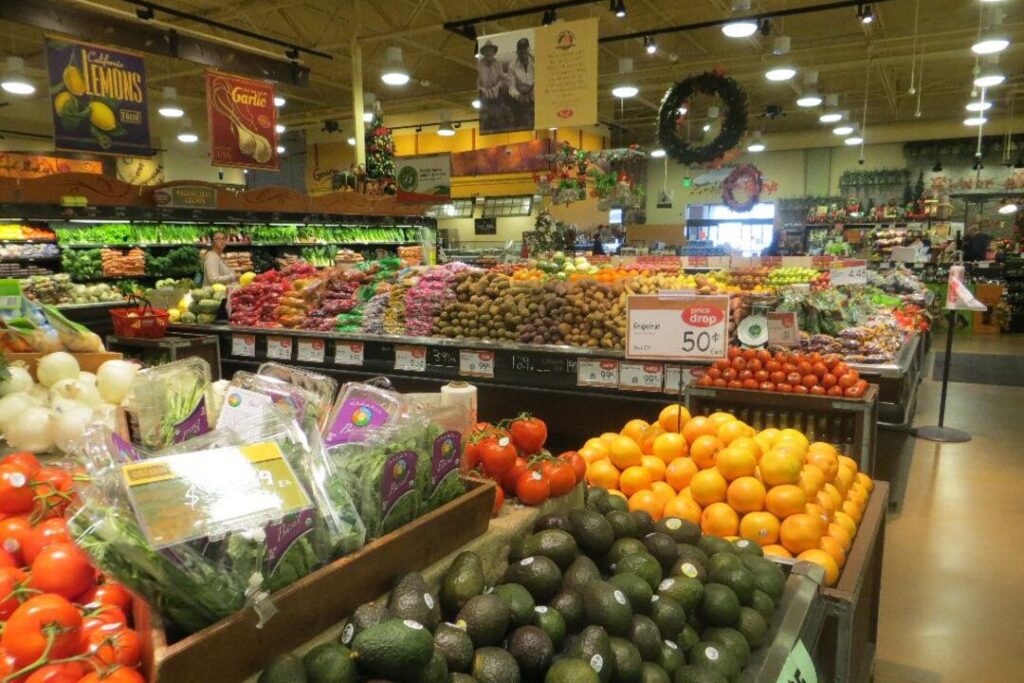
Food industries hold a strategic place in the national economy. The sector generates nearly 191 billion dirhams in annual turnover, comprises about 2,600 companies operating across the country, creates more than 206,000 direct jobs, contributes 44 billion dirhams to exports and covers nearly 77% of national needs for processed food products.
This economic contribution comes with a major energy challenge. Food industries consume approximately 380,000 tonnes of oil equivalent per year, representing nearly 20% of national industrial energy use. These figures confirm both the strategic weight of the sector and the importance of a progressive, structured decarbonation pathway adapted to the realities of different subsectors.
In this context, FENAGRI has undertaken, with support from the Ministry of Industry and Commerce, a national study aimed at structuring a decarbonation roadmap for food industries by 2040.
This initiative aims to identify the main sources of emissions, evaluate reduction levers, define possible transition trajectories and propose operational implementation conditions.
The Forum shared the main lessons of this approach and opened a structured dialogue with the entire ecosystem. Discussions highlighted a strong consensus: decarbonation of food industries should not be seen solely as a regulatory or environmental constraint, but as a lever for economic competitiveness, industrial modernisation, energy performance, market access and resilience for Moroccan companies.
“Decarbonation of food industries is no longer tomorrow’s issue. It is today’s project. A project that directly concerns the competitiveness of our companies, their energy performance, their market access, their investment capacity and their resilience facing new climate and economic requirements,” said Mr. Abdelmounim El Eulj, President of FENAGRI, quoted in the statement.
Discussions also underscored the need for coordinated mobilisation between public authorities, industrialists, financial institutions, international partners, technical experts and professional federations.
Success of this transition will depend especially on the ability to structure suitable support mechanisms, facilitate access to green financing, strengthen companies’ technical expertise and promote an integrated approach ensuring greater coherence between industrial, energy, environmental and water policies.
Special attention was paid to very small, small and medium-sized industrial enterprises (VSEs/SMEs), which constitute an essential component of the national productive fabric. Supporting them will be decisive for ensuring an inclusive, progressive and truly operational transition.
Discussions highlighted the need for accessible solutions, adapted diagnostics, bankable projects and financing mechanisms capable of meeting the realities of different food subsectors.
At the conclusion of the Forum, FENAGRI reaffirmed its determination to pursue this dynamic over the long term. Next steps will focus notably on setting up a monitoring framework for the roadmap, organising subsector workshops, strengthening dialogue with financial and technical partners, and supporting member companies in defining and implementing their own decarbonation trajectories.