Senegal’s constitutional reform: why a referendum is planned
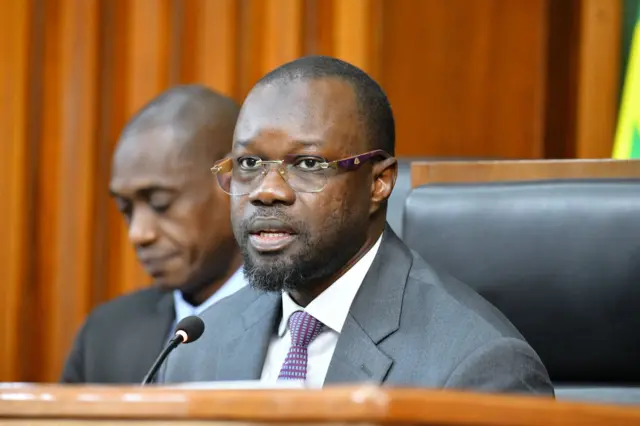
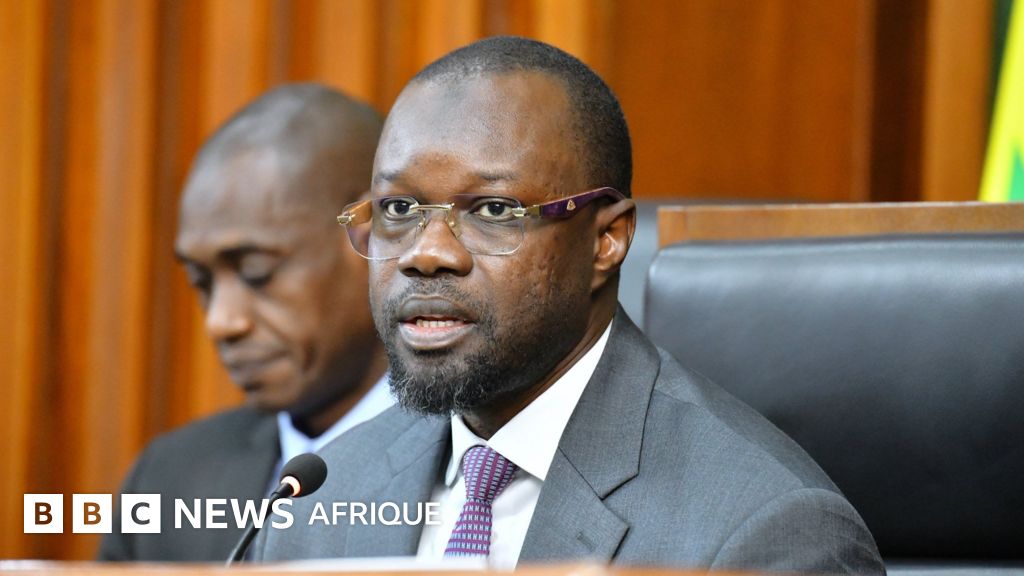
Photo credit, NATIONAL ASSEMBLY OF SENEGAL
The constitutional reform bill, adopted by Senegal’s National Assembly on June 29, will now be submitted to a referendum. This decision was announced by Justice Minister Moussa Sarr during a parliamentary session, confirming that President Bassirou Diomaye Faye had chosen to invoke Article 103 of the Constitution to seek direct public approval for the changes.
“The President has informed the Speaker of the National Assembly that he has decided to submit the adopted text to a referendum,” the Justice Minister stated. This move comes after intense political debate surrounding the bill, which aims to fundamentally reshape Senegal’s institutional architecture.
The reform, championed by the PASTEF-majority coalition, seeks to strengthen the Parliament, redefine the balance of power between the President and Prime Minister, and replace the existing Constitutional Council with a new Constitutional Court. Supporters view it as a pivotal step toward institutional renewal, while critics warn it could disrupt Senegal’s delicate power equilibrium.
President Bassirou Diomaye Faye’s decision to hold a referendum reflects the high stakes of this reform. The proposed changes were a cornerstone of the PASTEF’s 2024 presidential campaign, promising to modernize Senegal’s governance and reduce the concentration of power in the executive branch. However, the political landscape has shifted since his election, with tensions emerging between the President and his former party.
Why now for constitutional reform?
Constitutional reform was a central pledge of the PASTEF during the 2024 presidential election. The party argued that the existing system had allowed excessive power to accumulate in the hands of the President, necessitating a structural overhaul. The reform aims to correct long-standing imbalances while preserving Senegal’s republican framework.
Since Bassirou Diomaye Faye took office in March 2024, expectations have been high for rapid institutional change. However, the evolving political dynamics—particularly the growing rift between the President and PASTEF leadership—have added complexity to the reform process. Despite this, the government maintains that the changes are essential for modernizing Senegal’s institutions and ensuring checks and balances.
Key reforms in the proposed constitutional changes
The reform introduces sweeping changes to Senegal’s institutional framework, with several notable provisions:
- Creation of a Constitutional Court: The existing Constitutional Council, composed of seven members, would be replaced by a Constitutional Court with expanded powers. The new court would oversee constitutional, electoral, and referendum-related matters, with authority to rule on administrative acts linked to national elections and interpret constitutional exceptions. Its decisions would be binding on all individuals and entities.
- Enhanced role for the Prime Minister: The Prime Minister would gain the ability to directly refer matters to the Constitutional Court, a power previously reserved for the President or a tenth of the deputies. Additionally, the reform allows the Prime Minister to preside over Council of Ministers meetings—but only with explicit delegation from the President and a predetermined agenda.
- Stricter separation between the Presidency and political parties: The President would be prohibited from holding leadership roles in political parties or coalitions, except in the case of their own re-election campaign. The reform also bars the President from engaging in any other public or private functions, paid or unpaid, to ensure institutional neutrality.
- Strengthened Parliament: The National Assembly would gain greater oversight powers, including the ability to establish investigative commissions with broad subpoena authority and adopt resolution texts. The government would also be required to report to deputies on investment agreements in strategic sectors, such as natural resources.
- Transition safeguards: The reform introduces legal frameworks to regulate the period between a presidential election and the swearing-in of a new President. The outgoing President would be restricted from making long-term commitments, such as signing major international agreements or initiating significant financial operations, unless necessary for state continuity.
A rebalanced executive branch
The reform redefines the executive branch without eliminating the President’s central role. While the President retains authority over national policy, the new text specifies that this authority must be exercised “in consultation with the Prime Minister.” This shift introduces a cooperative dynamic, though the President remains the head of state and the ultimate decision-maker in key areas.
The changes also formalize the existence of junior ministers within the government and prohibit the accumulation of ministerial positions with local mandates, such as mayor or departmental council president.
What remains unchanged?
Despite the scope of the reforms, several fundamental aspects of Senegal’s political system will remain intact. The President will continue to be elected by universal suffrage for two consecutive five-year terms, and the republican nature of the state will remain unchanged. The reform does not mark the advent of a new Republic but rather seeks to reorganize institutional functions and rebalance power relationships within the existing framework.