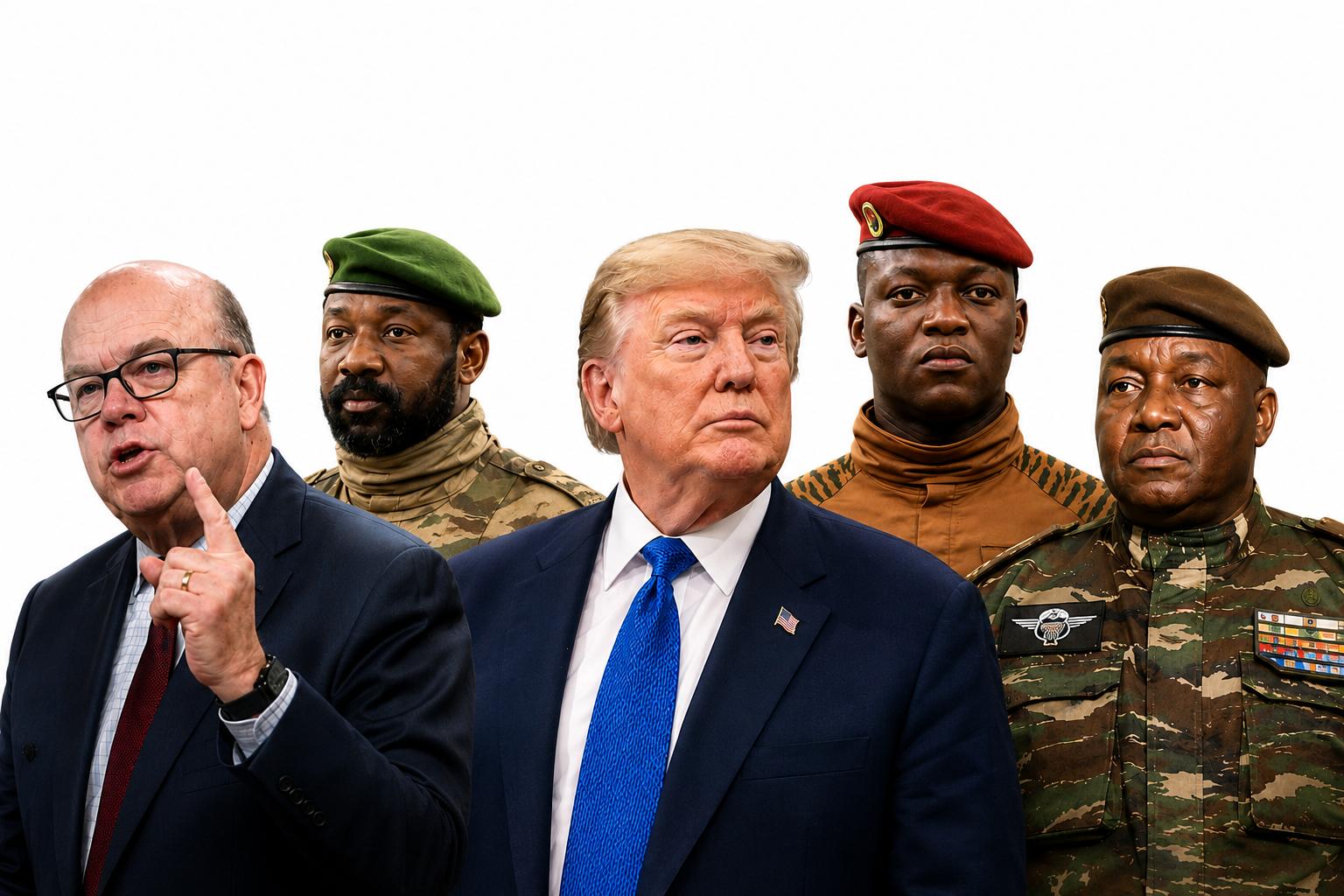
As the Sahel region grapples with a bloody surge in human rights violations across Mali, Burkina Faso, and Niger, the United States is poised to take decisive action. In the U.S. Congress, Representative James P. McGovern has intensified his calls, firmly urging the administration to implement targeted sanctions against the senior leaders of the Sahelian military juntas. With a horrifying toll of over 2,600 lives lost in 2026 alone, including a massacre of 500 civilians in Mali, extrajudicial killings in Burkina Faso, and deadly strikes in Niger, the situation has reached a critical threshold. This unfolding human tragedy sees local populations trapped under the twin pressures of terrorist groups and state repression.
Congressman James P. McGovern’s demand: Washington must act
On Capitol Hill, the Sahelian crisis has taken on an explosive dimension. Democratic lawmaker James P. McGovern, widely respected for his unwavering commitment to fundamental freedoms, has directly challenged the White House. His message is unequivocal: the United States can no longer ignore the authoritarian abuses that are drenching the Sahel in blood.
In a resolute political move, the congressman has called upon the administration to deploy America’s full diplomatic and financial arsenal, specifically through targeted sanctions against the officers currently in power in Bamako, Ouagadougou, and Niamey. Asset freezes, travel bans, and Magnitsky sanctions are among the tools aimed directly at the heart of the putschist regimes that have seized democratic control.
Among Representative McGovern’s key demands is the immediate and unconditional release of Mohamed Bazoum. The democratically elected former President of Niger has remained unlawfully detained by the Niamey junta since the July 2023 coup, serving as a poignant symbol of democratic backsliding in West Africa. For American diplomats, inaction is no longer an option if Washington intends to maintain moral credibility on the international stage.
The grim reality of 2026: a spiral of state violence
On the ground, the statistical reality is chilling. Since the start of 2026, the region has already recorded over 2,600 conflict-related deaths. Far from delivering the stability promised during their respective power grabs, the military juntas have instead fostered a climate of widespread terror, where civilians bear the brunt of the violence.
Mali: a hidden massacre unfolds
In Mali, the humanitarian and security situation has reached a dramatic turning point. Military operations conducted in the country’s central and northern regions, often supported by foreign mercenaries, have led to systematic abuses. Most recently, the summary execution of nearly 500 men in villages suspected of complicity with insurgents has sent shockwaves through international organizations. Far from weakening the jihadist threat, these mass killings are fueling resentment and boosting recruitment for armed groups.
Burkina Faso: targeted repression and forced conscription
In Ouagadougou, the junta led by Captain Ibrahim Traoré has transformed the state apparatus into a tool of intimidation. Extrajudicial killings are increasingly common in rural areas, carried out under the guise of anti-terrorism operations. More alarmingly, the regime is exploiting the