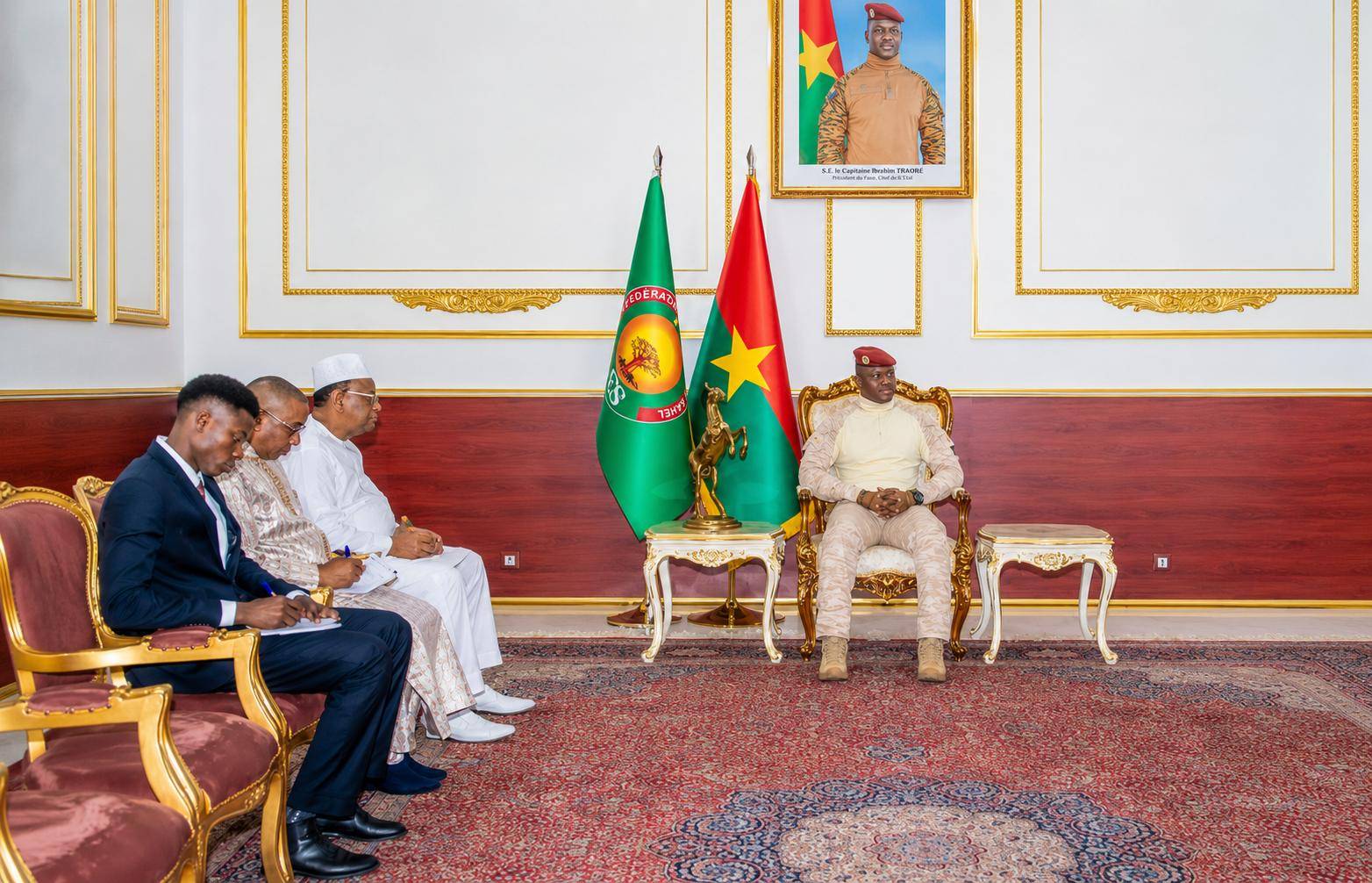
When Lansana Kouyaté, the Economic Community of West African States (CEDEAO) mediator for the Alliance of Sahel States (AES), arrived in Ouagadougou recently, the spotlight returned to regional diplomacy. His meeting with Captain Ibrahim Traoré underscored a familiar refrain: cooperation remains essential. Geography and human ties, the envoy argued, cannot be severed by political decrees alone. Yet beneath the surface of this pragmatic outreach lies a deep well of skepticism—one fed by decades of unkept promises from leaders who have repeatedly cast aside agreements when convenient.
the case for dialogue: a pragmatic shield against economic collapse
It would be unfair to dismiss the CEDEAO’s outstretched hand. By choosing dialogue over confrontation, the regional bloc demonstrates a maturity that is both rare and necessary in West Africa’s volatile landscape. The stakes are high, particularly for landlocked nations like Burkina Faso, Mali, and Niger, where over 70% of trade flows through coastal CEDEAO member states. Cutting these vital economic lifelines would only deepen the suffering of populations already reeling from terrorism and poverty. The CEDEAO understands this reality and has wisely refused to inflict collective punishment on innocent citizens for the missteps of their governments.
Security concerns further complicate the equation. Jihadist groups operate with total disregard for national or regional borders. Military efforts that ignore transnational coordination are doomed to fail. Here, the CEDEAO’s push for dialogue is not just diplomatic—it is a lifeline for a region grappling with insurgencies that thrive on instability.
the shadow of broken trust: why optimism is premature
Yet the CEDEAO’s approach is not without its blind spots. Chief among them is the glaring asymmetry in good faith between negotiators. The history of military regimes in the AES—particularly in Burkina Faso and Mali—is a litany of unfulfilled pledges, both to the international community and to their own people. What began as temporary transitions have morphed into indefinite power grabs, with security cited as the pretext for postponing elections indefinitely.
international agreements: a pattern of abandonment
The CEDEAO has seen this movie before. Agreements painstakingly crafted in cities like Bamako or Ouagadougou are later abandoned under the banner of