Burkina Faso’s educational reform raises questions amid global tensions
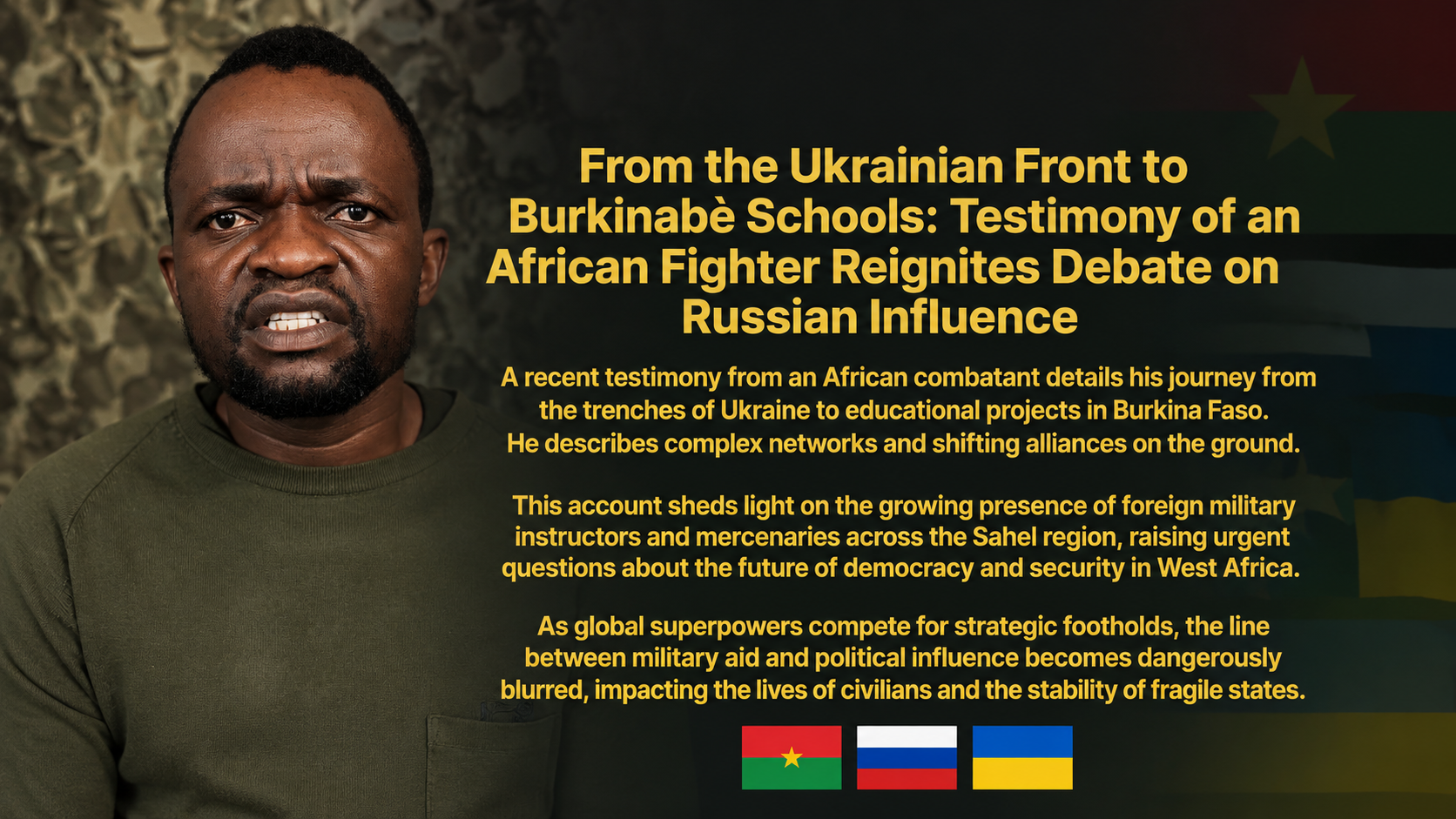
The recent arrest of a foreign fighter in Ukraine has reignited discussions about the recruitment of African nationals into overseas conflicts. Among those who have shared their experiences is Tatenda Tarwire, a Zimbabwean who fought in Russian forces. His account, widely circulated, paints a grim picture of frontline violence, unaccounted casualties, and the emotional toll on families left in the dark about their loved ones’ fates.
While Tarwire’s testimony centers on his personal ordeal, it coincides with a broader geopolitical shift. Moscow has expanded its engagement across Africa, leveraging diplomacy, military partnerships, and economic ties to bolster its influence in a world reshaped by the war in Ukraine.
In Burkina Faso, this evolving relationship has manifested in a controversial educational reform: the phased introduction of Russian language instruction in public schools, slated to begin with the next academic year. Government officials frame the move as an effort to diversify international partnerships, enhance academic opportunities, and foster deeper ties with the Russian Federation.
Controversy over strategic alignment
Yet the decision has not escaped scrutiny. Critics argue that the reform transcends mere language acquisition, suggesting it signals a deeper strategic alignment between Ouagadougou and Moscow. They call for transparent public debate to assess the implications of such cooperation. Supporters, however, defend Burkina Faso’s sovereign right to cultivate new international alliances without facing undue suspicion.
Russian, like other global languages such as English, Chinese, or Arabic, serves as a gateway to scientific research, academic exchanges, and professional opportunities. The heart of the debate lies not in the language itself, but in the geopolitical context in which it is being promoted—amid a prolonged war and Russia’s active pursuit of influence beyond its borders.
Lessons from foreign recruitment
Tarwire’s experience also highlights the vulnerabilities of African youth lured by promises of financial compensation, training, or overseas opportunities. Reports have documented cases of foreign fighters recruited with little clarity about the realities they would face, often with devastating personal consequences for both combatants and their families.
As Burkina Faso moves forward with this educational initiative, citizens deserve clarity on the specifics of the cooperation agreement, the potential benefits for students, and safeguards to ensure the national education system remains independent. Informed dialogue, grounded in verified facts and balanced analysis, is essential to evaluate whether this partnership truly serves the nation’s long-term interests.
The future of Burkina Faso’s youth hinges on access to quality education, exposure to diverse knowledge systems, and the development of critical thinking. Decisions about language instruction must be made with transparency and foresight, ensuring they empower the next generation without compromising the country’s autonomy or stability.