East DRC: UN funding gaps cripple investigative team’s work in North and South Kivu
- Security
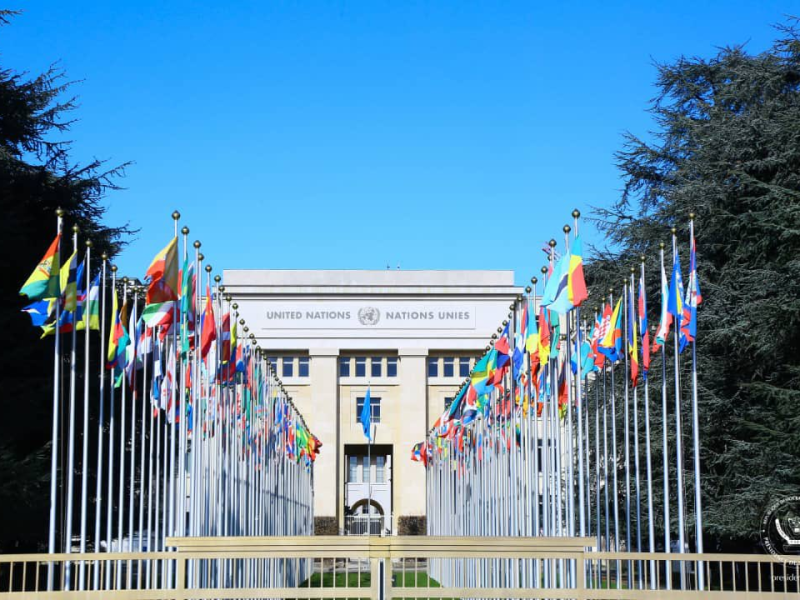
The Independent Commission of Inquiry into Human Rights Violations in North and South Kivu, Democratic Republic of Congo, faced its first major public hearing at the Council of Human Rights in Geneva last week. The session marked a critical moment for the newly established commission, which was tasked with investigating escalating violence in eastern DRC’s conflict zones.
During its maiden visit to Kinshasa, the commission conducted extensive consultations with victims’ support groups, human rights defenders, civil society actors, government representatives, and UN entities. While security and health constraints prevented access to Goma in eastern DRC, the commission remains determined to reach affected areas in North Kivu and South Kivu as soon as conditions allow.
However, the team’s operational capacity has been severely undermined by financial constraints plaguing the United Nations. These funding shortfalls have directly impacted the commission’s ability to deploy investigators, secure interpretation services, conduct thorough analysis, and maintain a consistent field presence.
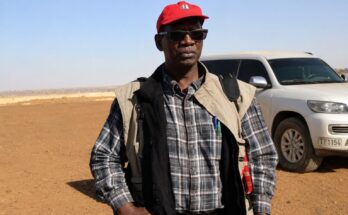
“The broader financial challenges facing the United Nations have had a direct impact on our operational capabilities, affecting everything from deployable investigation teams to analytical support and mission funding. Despite these obstacles, the commission remains firmly committed to fulfilling its mandate with independence, diligence, and unwavering resolve. The suffering we have been entrusted to address demands rigorous investigation and sustained international engagement,” stated Arnauld Akodjenou, Chair of the Commission.
Humanitarian Access and Protection of Vulnerable Groups
In his address, Akodjenou emphasized the critical need for all parties involved in the conflict to ensure unrestricted and safe humanitarian access for women, children, persons with disabilities, the elderly, and other vulnerable populations. He underscored the importance of protecting humanitarian workers, medical personnel, and protection actors as they deliver lifesaving aid, particularly in the ongoing Ebola response.
The Chair also issued a stern warning against any form of intimidation, retaliation, or reprisals targeting victims, witnesses, human rights defenders, journalists, or community representatives who collaborate with UN mechanisms, including the commission.
“The Council has tasked this commission with establishing facts, preserving evidence, identifying perpetrators for prosecution, and examining the root causes of recurring violence. This work has already begun, and it is imperative that we safeguard the safety, dignity, and trust of victims and witnesses,” Akodjenou added.
Mandate and Next Steps
Established by the UN Human Rights Council on February 7, 2025, during an extraordinary session focused on eastern DRC, the commission was given a sweeping mandate. It is charged with investigating alleged human rights violations and breaches of international humanitarian law, including gender-based violence, crimes against displaced persons and refugees, and potential international crimes in the context of the ongoing hostilities that began in January 2025.
The commission’s work is set against a backdrop of intensifying violence in North and South Kivu, where armed groups continue to escalate attacks, exacerbating an already dire humanitarian crisis. As the commission navigates operational and financial hurdles, its findings and recommendations could play a pivotal role in shaping international responses to the crisis.
Related Posts