The latest figures from the Central Bank of West African States (BCEAO) may show an average inflation rate of 0.0% across the region, but in the heart of the Sahel, reality tells a different story. In Burkina Faso, Mali, and Niger, where the Alliance of Sahel States (AES) holds sway, the much-touted economic calm remains a distant dream.
Why official statistics miss the mark
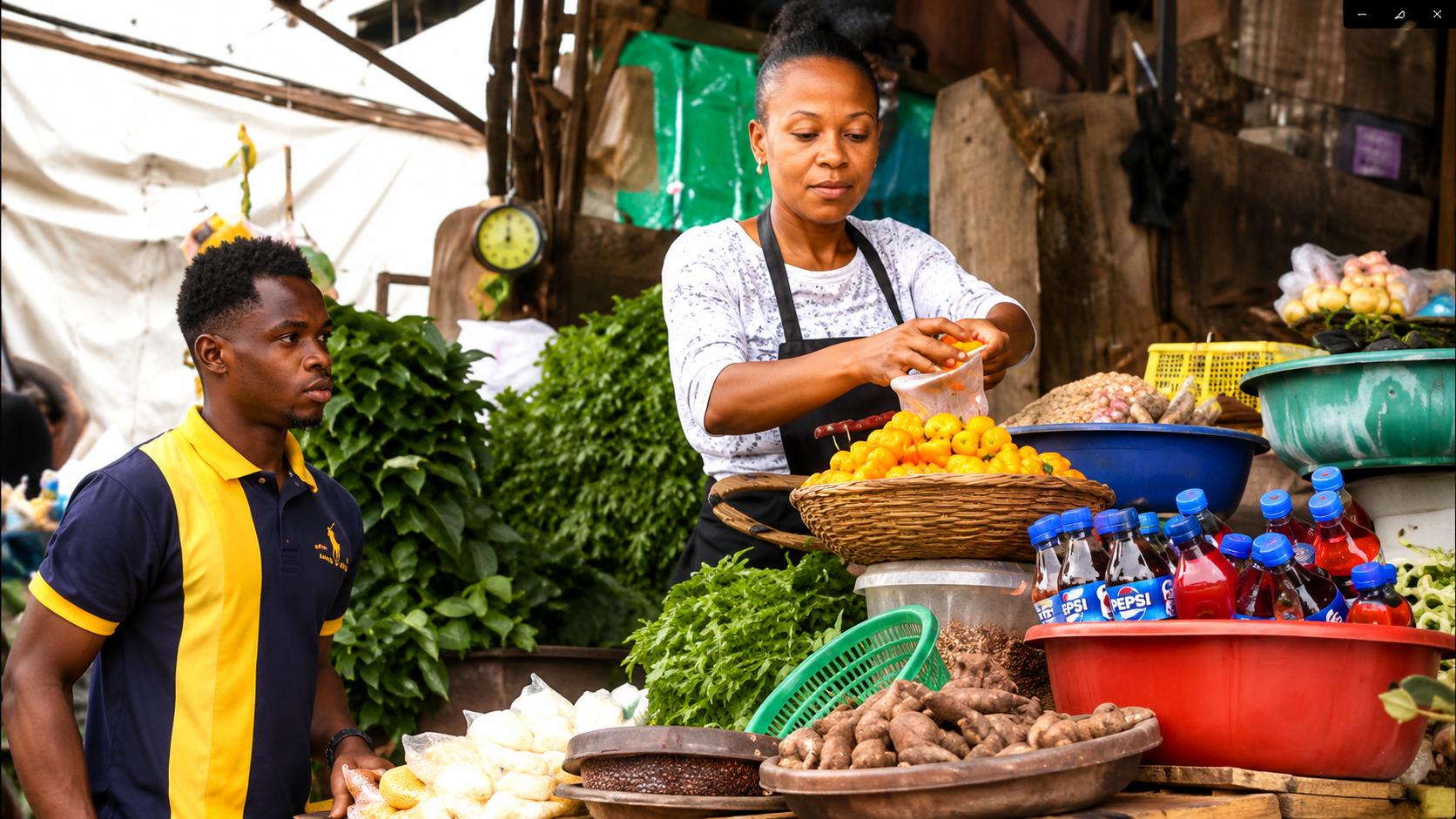
While coastal nations bask in lower prices thanks to falling global commodity costs and favorable weather, the Sahel’s interior grapples with relentless price surges. Official narratives from Ouagadougou, Bamako, and Niamey often point to external forces or shadowy conspiracies as the root cause, deliberately sidestepping the direct consequences of their own economic and political decisions.
Military focus drains the economy dry
The primary driver of inflation in the Sahel isn’t just global trends—it’s the enduring shadow of insecurity. Despite bold promises to reclaim lost territory, key trade routes remain paralyzed. Armed groups continue to enforce blockades, not just as tactical moves but as a glaring testament to the governments’ failure to safeguard essential economic lifelines.
By diverting nearly all available funds toward military operations and hardware purchases, these administrations have neglected critical needs: storage infrastructure, agricultural support, and rural market access. As fertile lands shrink under restrictions, local food production collapses. The result? A militarized economy that fails to restore security but succeeds in starving its own people.
Sovereignty’s hidden costs
The AES’s bold declarations of economic independence clash sharply with the harsh truth of rising prices. Efforts to bypass traditional trade networks in favor of politically aligned routes have backfired—longer, riskier detours inflate transportation costs, and the burden lands squarely on households at the market.
Centralized—and often heavy-handed—control over distribution has worsened the crisis. Price controls and pressure on private traders stifle commerce, sparking artificial shortages and feeding a black market where prices spiral out of reach for ordinary families.
Monetary policy can’t fix what’s broken
The BCEAO’s credit tightening measures prove powerless against structural inflation. Higher interest rates won’t reopen closed roads or replenish depleted food supplies. But the real threat lies deeper: these states have cut themselves off from regional funding and cooperation, leaving their treasuries drained by security spending and transition overheads. With no financial cushion, governments lack the means to launch meaningful social safety nets or subsidies to cushion the blow of soaring living costs.
Until Burkina Faso, Mali, and Niger shift from rhetoric about victimhood and ideological rupture to practical, people-centered economic governance—and until real security replaces military posturing—the cost of living will keep crushing families. And the glowing inflation reports from the UEMOA will remain a cruel joke for those struggling to put food on the table.