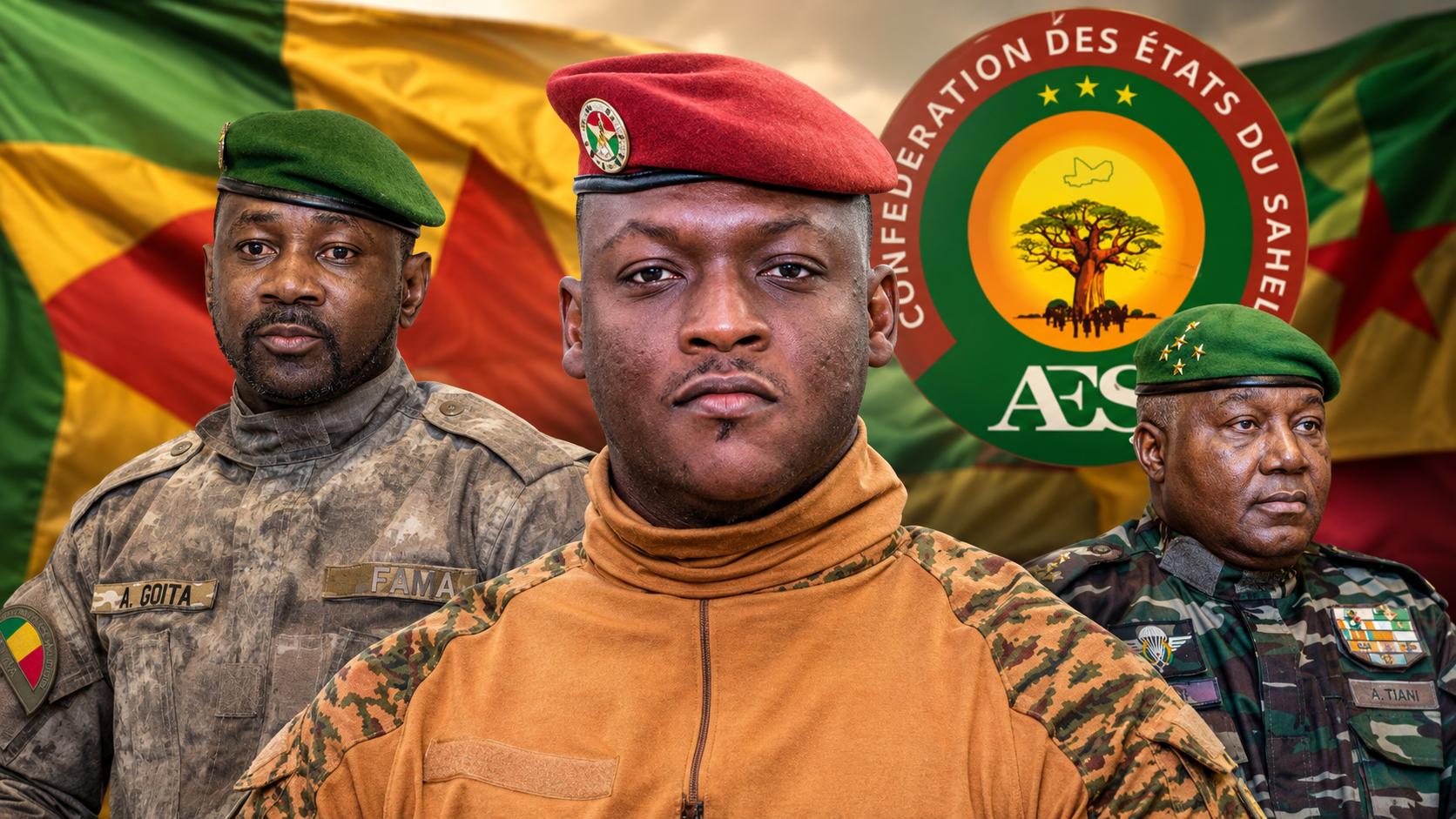
The military rulers of Mali, Burkina Faso, and Niger built their legitimacy on the promise of restored sovereignty after ousting Western forces. Yet the arrival of Russia’s Africa Corps—Wagner Group’s official successor—has introduced a new and expensive form of dependence. How much is this alliance with Moscow really costing its Sahel partners, and at what price in security and stability?
From Anti-Colonial Rhetoric to Financial Reckoning
The juntas in Bamako, Ouagadougou, and Niamey justified their 2021–2023 coups by vowing to end what they called a neocolonial grip tied to French and Western military presence. The claim resonated with publics weary of failed counterterrorism efforts and perceived foreign interference.
By September 2023, the three nations formalized their defense alignment under the Alliance of Sahel States (AES), enshrining political sovereignty as their core narrative. However, beneath the defiant rhetoric lies a deeper vulnerability—financial, operational, and strategic.
Mali Bears the Heaviest Burden
Available data shows that Bamako has paid over $1 billion to Russian-affiliated groups since 2021—an average monthly outlay exceeding $10 million. Unlike Burkina Faso and Niger, where Russian involvement is largely limited to training and advisory roles, Moscow’s forces in Mali are actively engaged in frontline combat operations.
Contrary to speculation, no large-scale mineral concessions have been formally granted to Russian entities, meaning the full financial burden falls squarely on Mali’s public treasury. With limited domestic revenue and rising debt, this expenditure strains national budgets already stretched thin by humanitarian crises and declining aid from former Western partners.
Security Gains Fade Against Rising Threats
Despite deploying between 1,000 and 1,500 troops, the Africa Corps has struggled to turn the tide in central and northern Mali. Following the withdrawal from Kidal in April 2026, rebel factions quickly reclaimed critical towns such as Tessalit, Anéfis, and Aguelhok. In the Gao and Ber regions, state control is eroding as rural areas slip beyond government reach.
Strategic analysts now warn that without sustainable local defense capabilities, the situation could deteriorate to the point where a negotiated settlement becomes the only viable path forward—ironically echoing earlier eras of foreign intervention.
A New Form of Dependence: Sovereignty in Name Only
Analysts caution that the Sahel’s military regimes risk becoming de facto protectorates of Moscow. While the juntas have successfully diversified their arms suppliers—turning to Turkey for drones, Iran for missiles, and China for logistics—their reliance on foreign fighters for actual combat operations leaves them exposed to external pressure and shifting priorities in the Kremlin.
The International Crisis Group distinguishes between “discursive sovereignty”—the freedom to reject Western demands—and “operational sovereignty”, which remains critically compromised. This pattern mirrors Cold War-era interventions in Angola and Ethiopia, where external support propped up regimes that ultimately proved unable to sustain themselves once that support waned.
The Real Cost of Replacing One Tutor With Another
For the Sahel’s military elites, the gamble was clear: sever ties with Paris and Washington, embrace Moscow’s security umbrella, and reclaim national dignity. But as financial debts mount and territorial control slips, a harder truth emerges. True sovereignty cannot be rented—it must be built.
As the Africa Corps continues its campaign, the region stands at a crossroads. The choice is no longer simply about rejecting the West, but whether these governments can transition from geopolitical defiance to genuine self-reliance—or risk trading one overlord for another.
