The transfer of $17.6 million from a Democratic Republic of Congo (DRC) government account to a Texas-based defense contractor has ignited a political and financial controversy, drawing scrutiny from Washington over the transaction’s motivation, transparency, and alleged irregularities.
Unverified allegations and unanswered questions surround the payment
On May 29, 2025, a sum of $17.6 million was wired from the DRC Ministry of Finance to Texas Armament & Technology (TX-AT), a defense firm specializing in military equipment and logistics. While the payment’s existence has been confirmed, multiple inconsistencies have fueled doubts about its legitimacy.
The transaction’s origins and purpose have become a focal point of investigation, particularly following claims that $5.6 million of the transferred funds were intended for the Kennedy Center, a high-profile cultural institution in Washington where Richard Grenell, former US Ambassador to Germany and close ally of Donald Trump, served as a senior figure. Grenell has vehemently denied any involvement in diverting resources meant for the Kennedy Center.
The absence of verifiable documentation linking the payment to the Kennedy Center has deepened the mystery, with no clear contract, transfer order, or administrative authorization available to substantiate the earmarked funds. This lack of transparency has intensified calls for accountability from both American and Congolese authorities.
Grenell’s connection to the controversy raises political stakes
Richard Grenell’s profile—former US Ambassador to Germany, Trump administration official, and a prominent figure in conservative political circles—has turned this financial transfer into a political flashpoint. Allegations suggest that Grenell may have offered political access or influence in exchange for financial support to the Kennedy Center, though no independently verified evidence has emerged to confirm these claims.
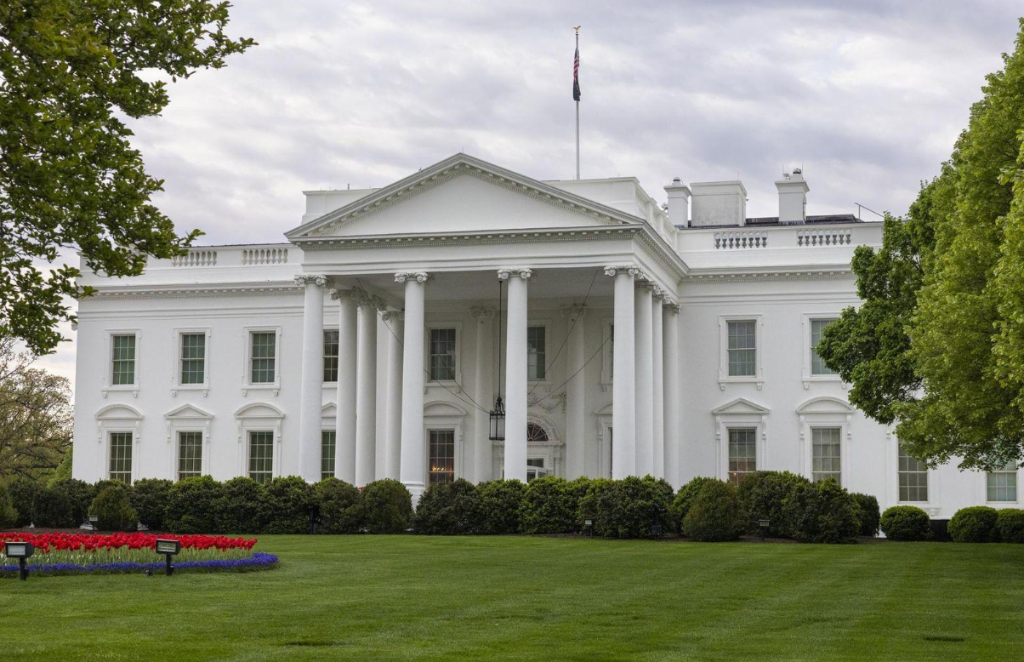
Grenell has forcefully rejected accusations of impropriety, stating that no funds intended for the Kennedy Center were diverted and that the transaction between the DRC and TX-AT was conducted independently of his involvement. The White House has yet to publicly address the allegations, but insiders indicate that the matter is being reviewed by legal and financial advisors for potential breaches of protocol or ethical standards.
Why the Kennedy Center link matters in the investigation
The alleged intended donation to the Kennedy Center has drawn particular attention due to its cultural significance and Grenell’s leadership role there. Although no financial records have confirmed the transfer, the claim has intensified scrutiny over whether the $5.6 million was misappropriated or whether the transaction itself was justified under contractual agreements between the DRC and TX-AT.
DRC’s financial governance under the microscope
The implications of this affair extend beyond Washington, raising critical questions about the DRC’s financial oversight and the transparency of international transactions involving public funds.
Central to the investigation is whether the $17.6 million payment was part of a legitimate commercial contract or an unorthodox financial maneuver without clear contractual justification. Authorities in Kinshasa must clarify:
- Contractual basis of the transaction: Was there a written agreement between the DRC government and TX-AT outlining the services or goods exchanged for the payment?
- Authorization process: Which officials approved the transfer, and under what administrative or legal authority?
- Intended use of funds: Were the $5.6 million earmarked for the Kennedy Center, and if not, where did they go?
- Counterparties’ roles: Did intermediaries or business figures with ties to both the DRC and the US play a role in facilitating the transaction?
Without definitive answers, the scrutiny highlights broader concerns about financial accountability in the DRC, where public funds are frequently subject to allegations of mismanagement and corruption.
The business interests that add complexity to the case
The financial transfer becomes more opaque when viewed alongside the business activities of Turhan Mildon, a Turkish businessman with significant investments in the DRC, particularly in infrastructure. While Mildon’s companies operate in sectors unrelated to defense, his financial dealings and potential influence warrant examination in connection with the payment’s origins and beneficiaries.
Though no direct evidence links Mildon to the TX-AT transaction, his economic footprint in the DRC adds a layer of complexity to the scrutiny over financial flows between the country and the US.
What happens next? The path to accountability
As the White House reviews the transaction’s validity, the onus shifts to the DRC to provide clear documentation and explanations. Transparency advocates argue that without auditable trails, such incidents erode public trust and invite further scrutiny.
For now, allegations remain unproven, and no legal conclusions have been reached. However, the affair underscores the need for stricter oversight of international financial transfers involving public institutions, particularly when they intersect with high-profile political figures on both sides of the transaction.
The questions at the heart of this controversy—who authorized the payment, why TX-AT was the recipient, and where the funds ultimately ended up—remain unanswered. Until financial records, contracts, and administrative documents are scrutinized, the mystery will persist.