Why the Sahel Nations Struggle to Sever Ties with ECOWAS
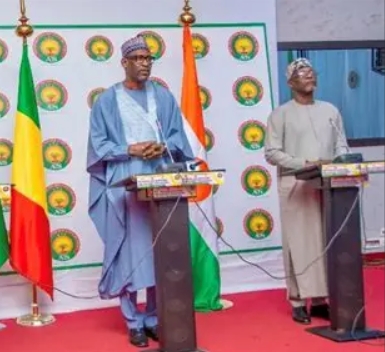
Recent remarks by foreign ministers from Niger and Mali have sparked intense debate. On one hand, they vehemently accuse neighboring West African states within the Economic Community of West African States (ECOWAS) of supporting terrorist organizations. On the other, they express willingness to collaborate with the same bloc on select issues. This contradictory stance reveals a harsh truth: exiting a regional alliance isn’t as simple as political rhetoric suggests.
Contradiction in Diplomatic Messaging
Niger and Mali’s accusations against ECOWAS are severe, yet their willingness to engage with the bloc raises eyebrows. In international relations, credibility hinges on consistency. If a nation formally accuses its neighbors of aiding forces that target its soldiers, proposing economic partnerships the following day undermines diplomatic integrity.
Analysts argue that such inconsistency could damage the two Sahel nations’ reputation on the global stage. Development negotiations cannot proceed smoothly with parties labeled as national adversaries.
Geographic Constraints: The Unavoidable Reality
The push for “total independence” from ECOWAS overlooks a fundamental truth: geography dictates economic survival. Both Mali and Niger are landlocked, relying entirely on coastal neighbors for critical imports like food, fuel, and medical supplies.
- Port dependency: Trade routes pass through ports in Cotonou, Lomé, and Abidjan. Any disruption in access would trigger severe shortages.
- Economic strain: Elevated transportation costs would inflate prices, disproportionately affecting impoverished populations. By seeking cooperation, the ministers implicitly admit that the Alliance of Sahel States (AES) cannot sustain itself in isolation.
The Illusion of Selective Participation
Quitting ECOWAS was a bold political statement, but retaining its technical benefits without adhering to its rules is a contradiction. Nations cannot sever ties, insult partners, and still expect free-flowing trade and financial systems to continue.
Trust is the foundation of cooperation. Breaking political agreements jeopardizes legal protections for local businesses and investors, creating instability in an already fragile region.
From Rhetoric to Practical Solutions
Anger may resonate in domestic speeches, but it cannot substitute for foreign policy strategy. Terrorism transcends borders, thriving in areas where security coordination is weak. A unified regional response—including intelligence sharing and joint military action—remains essential. Deepening divisions only empowers extremist groups that exploit such fractures.
True Sovereignty Goes Beyond Slogans
Niger and Mali are learning that full withdrawal from ECOWAS poses significant economic risks. Genuine sovereignty means ensuring food security, healthcare access, and urban safety—not merely rejecting regional alliances. Good neighborly relations aren’t optional; they are a necessity. Prioritizing propaganda over practical governance ultimately harms the very citizens these governments claim to serve.