The Constitutional Council of Senegal has struck down the institutional reform bill championed by the ruling Pastef party, dealing a significant setback to its agenda. The high court ruled that the proposed reforms violated constitutional provisions, effectively halting the party’s efforts to rebalance institutional powers.
In a decisive move, the Council identified two critical flaws in the reform package: the absence of a financing mechanism for the new Constitutional Court outlined in the bill, and procedural irregularities during the parliamentary review of government amendments. President Bassirou Diomaye Faye had personally referred the matter to the Council, underscoring the gravity of the dispute.
Political fallout and shifting power dynamics
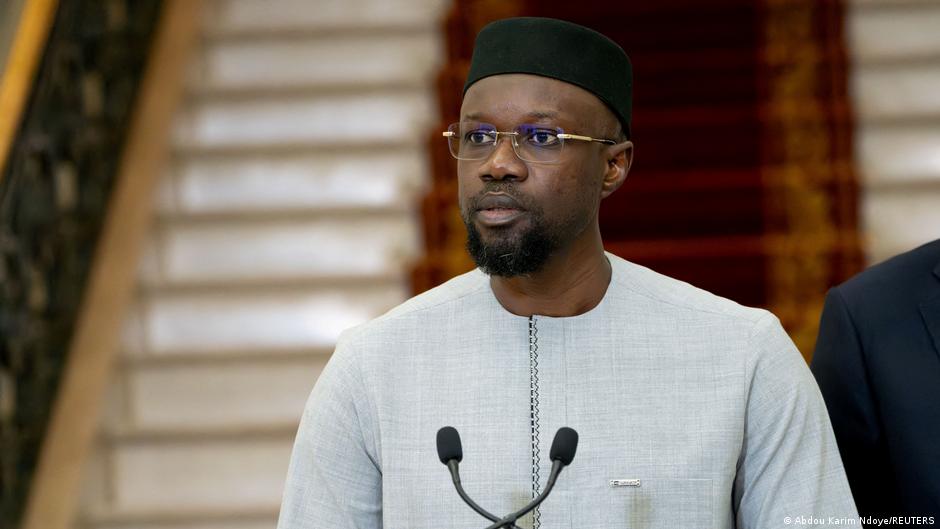
The Council’s decision arrives at a tense juncture in Senegal’s political landscape, marked by growing rifts between Ousmane Sonko and President Bassirou Diomaye Faye. Sonko, who was removed from the premiership in May, had swiftly repositioned himself as President of the National Assembly. However, his recent remarks on a so-called “cohabitation” with the head of state signal deepening divisions within the ruling coalition.
Ousmane Sonko acknowledged the Council’s ruling in a public statement, while allies of the president emphasized the importance of institutional stability and constructive dialogue. The political fallout extends beyond the reform itself, as opposition figures and civil society actors weigh in on the implications of the Council’s intervention.
A fractured majority
Adji Diarra Mergane Kanouté, former deputy and leader of the USD/A party, highlighted the broader constitutional hurdles facing the reform. She noted that while the Council’s rejection of the bill is final, the National Assembly could theoretically revisit the proposal—provided it adheres strictly to constitutional procedures. “The Council’s decision underscores the need for fiscal responsibility in public reforms,” she stated. “Any proposal creating new public institutions, such as the Constitutional Court, must include compensatory revenue streams as mandated by the Constitution.”
She also criticized the Assembly’s failure to apply the blocked-vote procedure at the government’s request, a move she described as a violation of constitutional protocol. “The Council acted within its mandate to uphold the rule of law,” she added.
Expanded parliamentary oversight under scrutiny
Another contentious provision in the reform package sought to empower lawmakers with broader investigative powers over natural resource contracts and previously restricted oversight domains. While proponents argued these changes would enhance transparency, critics warned they could destabilize the balance between branches of government.
Reactions from civil society have been mixed. Dr. Binette Ndiaye, coordinator of the Citizen Forum, praised the Council’s decision as a victory for democratic principles. “This ruling sends a clear message: majorities must govern with inclusivity,” she said. “Even in a democracy, power is not absolute. The Council has reaffirmed that constitutional amendments require consensus, not unilateral imposition.”
What’s next for Senegal’s political future?
The Council’s ruling has intensified debates over the legitimacy of institutional reforms in Senegal. With Sonko and Faye’s relationship showing signs of strain, analysts warn the decision could deepen political fragmentation at the highest levels of government. The coming weeks will reveal whether the ruling coalition can reconcile its differences or whether the verdict marks the beginning of a prolonged power struggle.
As the nation grapples with these developments, the question remains: can Senegal’s political actors navigate these tensions without further eroding public trust in its democratic institutions?