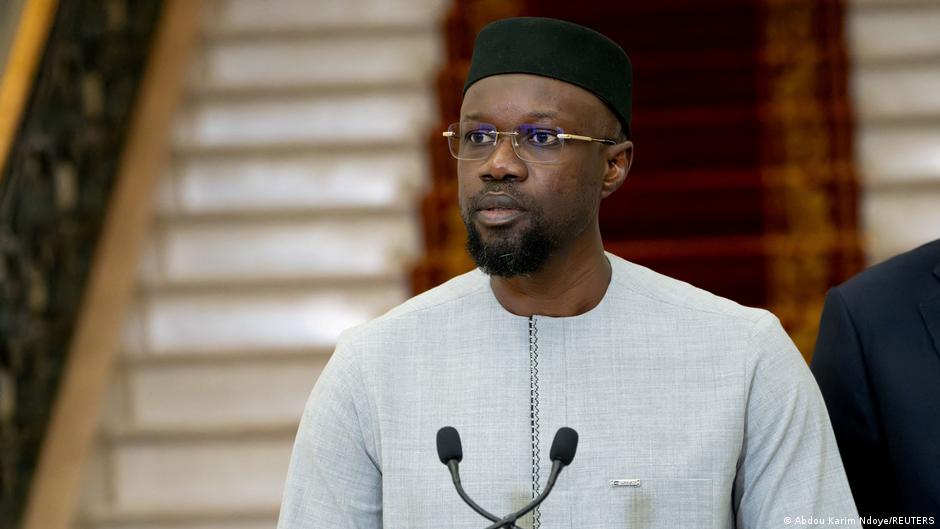
The Constitutional Council of Senegal has struck down the institutional reform proposed by the parliamentary majority of the Pastef party, dealing a significant blow to Ousmane Sonko’s ambitions. The Council ruled that the reform, intended to rebalance powers between institutions, violated constitutional provisions.
The decision follows President Bassirou Diomaye Faye’s direct referral to the Council, which identified two critical irregularities: the absence of a funding mechanism for the proposed constitutional court and procedural violations during parliamentary debates on government amendments.
political implications of the ruling
According to former MP Adji Diarra Mergane Kanouté, who heads the USD/A party and leads the Ensemble Demain coalition, the ruling effectively halts plans for a referendum on the reform. However, she acknowledges the possibility of a revised proposal if proper procedures and funding mechanisms are established in line with Article 82 of the Constitution. The Council also highlighted the Assembly’s failure to apply the blocked vote procedure at the government’s request, another violation of constitutional norms.
The rejected provisions included enhanced parliamentary oversight of natural resource contracts and expanded investigative powers in previously restricted areas. Political reactions were swift: Ousmane Sonko acknowledged the ruling in a social media statement, while the presidential coalition defended the legitimacy of institutional checks and balances. Dr. Binette Ndiaye, coordinator of the Citizen Forum, praised the Council’s decision as a safeguard for democratic principles.
In a statement reflecting on the decision, Dr. Ndiaye emphasized the importance of inclusive dialogue, stating, “As a member of civil society, I believe this ruling deserves praise. Before implementing such reforms, a more inclusive process should have been followed. It should not be the prerogative of a single political party to unilaterally alter constitutional provisions without prior consultation or consensus. The Council’s decision reminds us that this is a republic where even a majority must respect the views of all citizens.”
tensions escalate between Senegal’s top leaders
The Council’s decision arrives amid growing friction between Ousmane Sonko and President Bassirou Diomaye Faye. Sonko, who was removed from the premiership in May, has since assumed the role of Assembly president. His recent public remarks about a “cohabitation” with the head of state underscore the deepening divide within the ruling coalition.
Political analysts suggest that this ruling marks another chapter in the escalating power struggle at the heart of Senegal’s government, one that could reshape the nation’s political landscape for years to come.